

 Deutsch
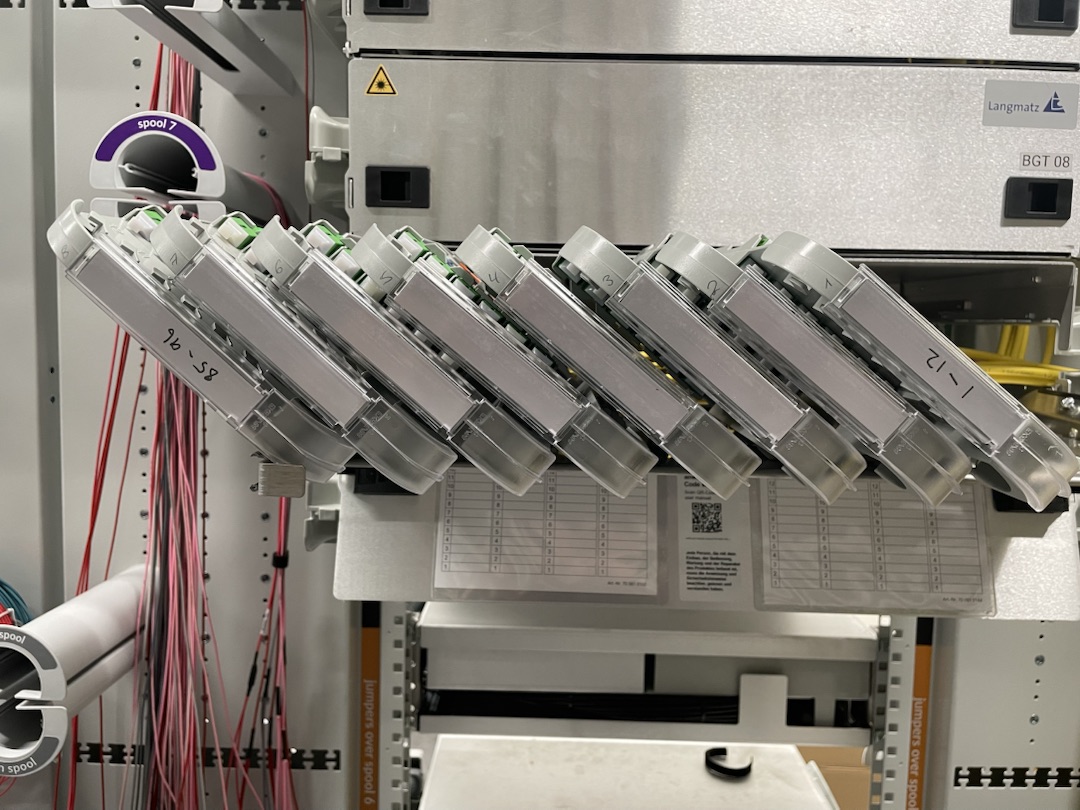
Lightwave cables form the physical foundation of modern data communication. Whether in buildings, industrial plants or the development of public networks – wherever high transmission rates, low latency and freedom from electromagnetic interference are required, fiber optic cables are the technically superior choice over copper-based cables. However, the quality of a fiber optic cable depends on the meticulousness of its installation: poor splice connections, insufficient strain relief or missing measurement logs permanently reduce the transmission performance. The GRAEF Group performs fiber optic cable installations professionally and in accordance with standards – from planning through installation and splicing to final measurement technology and documentation.
What fiber optic installation means in practice
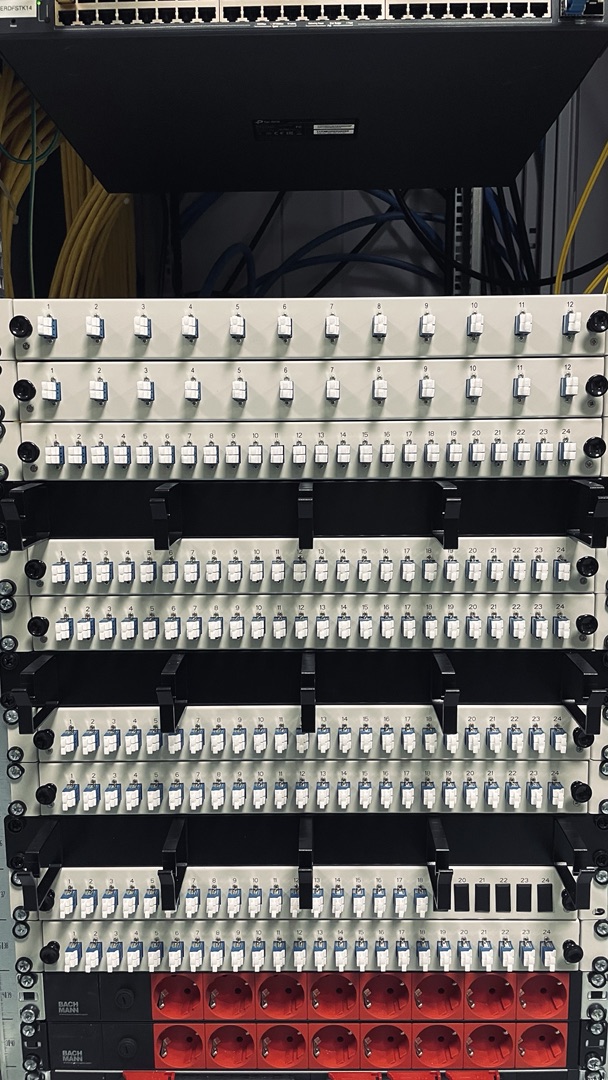
LWL installation involves much more than simply laying a cable. Even when choosing the right fiber type – single-mode or multimode, indoor or outdoor installation, direct earth burial or pipe connections – object-specific decisions must be made. Then comes the mechanical installation: preparing cable trays, ensuring minimum bending radii, controlling pulling forces, and installing sufficient reserve loops.
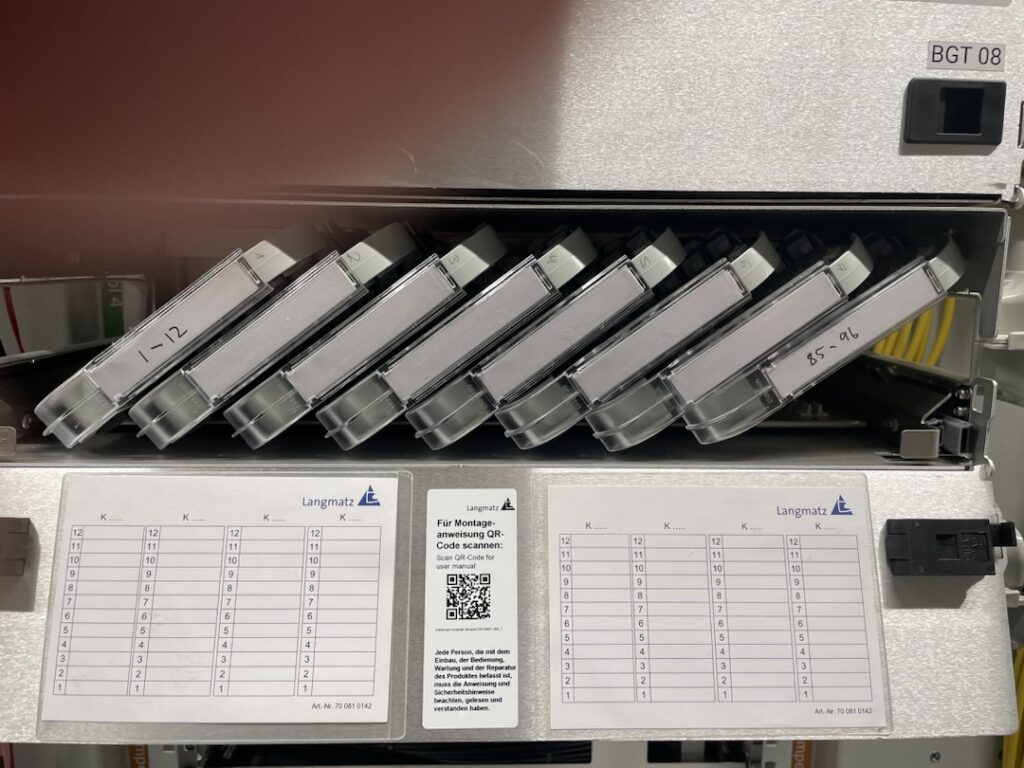
At connection points, transitions, and splice distributors, the individual fibers must be precisely joined together. In the welding splice – the process for permanently low attenuation values – the glass ends are processed, precisely aligned, and thermally fused. The process follows clear technical specifications: Every connection is tested, any deviations are logged. Our
Fiber-optic splicing work according to ZTV 48 meet the relevant Norman requirements for public and commercial infrastructure projects.
- Selection of the appropriate cable type for the respective application site
- Norm-compliant installation with compliance with all minimum bending radii
- Welding splint for permanently low insertion damping
- Equipment of splicing distributors and staging areas
- Technical inspection of each fiber after completion
- Complete documentation of all measurement values and connection data
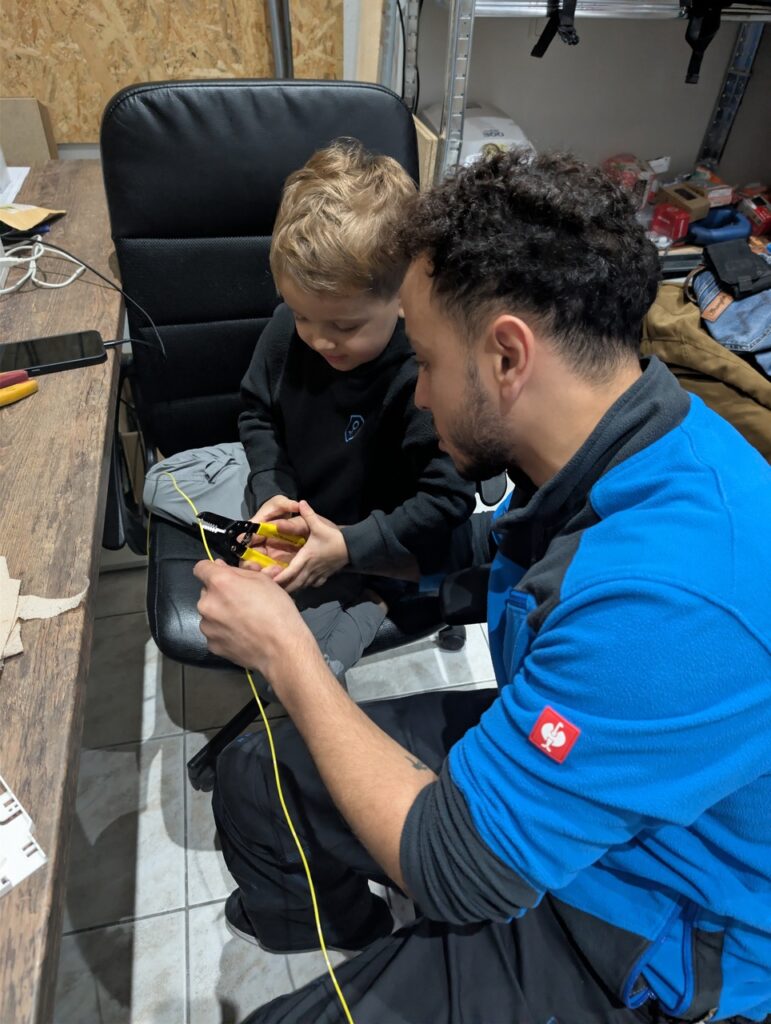
GRAEF Group is more than just a company – we are a family business. Company founder Peter Gräf not only lives the trade as a managing director, but also passes it on directly to the next generation: His son Teo actively supports our projects, getting to know the intricacies of splicing fiber optic cables from scratch and thus growing into the world of professional fiber optic installation. This combination of experience and youthful curiosity symbolizes for us how quality and passion for security technology are passed down from generation to generation at GRAEF.
Standards and standards: ZTV 48 and ZTV-TKNetz 48
In German infrastructure development, there are binding technical requirements for fiber optic installations, which are set out in ZTV 48 and ZTV-TKNetz 48. These additional technical contractual conditions regulate the depth and layout of cable trenches, minimum distances from other lines, marking, safety measures, and the requirements for mufflers and cable protection pipes.
Especially in public space projects – sidewalks, streets, public buildings – compliance with these standards is a prerequisite for acceptance by clients and authorities. The GRAEF Group carries out fiber optic installation work according to ZTV-TKNetz 48 and documents all work steps in a verifiable manner – as a basis for warranty, operation, and subsequent expansions.
Documentation protects in the long run
Complete track documentation with cable runs, junction locations, fiber placement, and measurement logs is not only crucial during acceptance; it significantly speeds up troubleshooting in the event of a fault and protects against subsequent costs due to unnecessary underground construction work.
OTDR measurement: Quality assurance after assembly
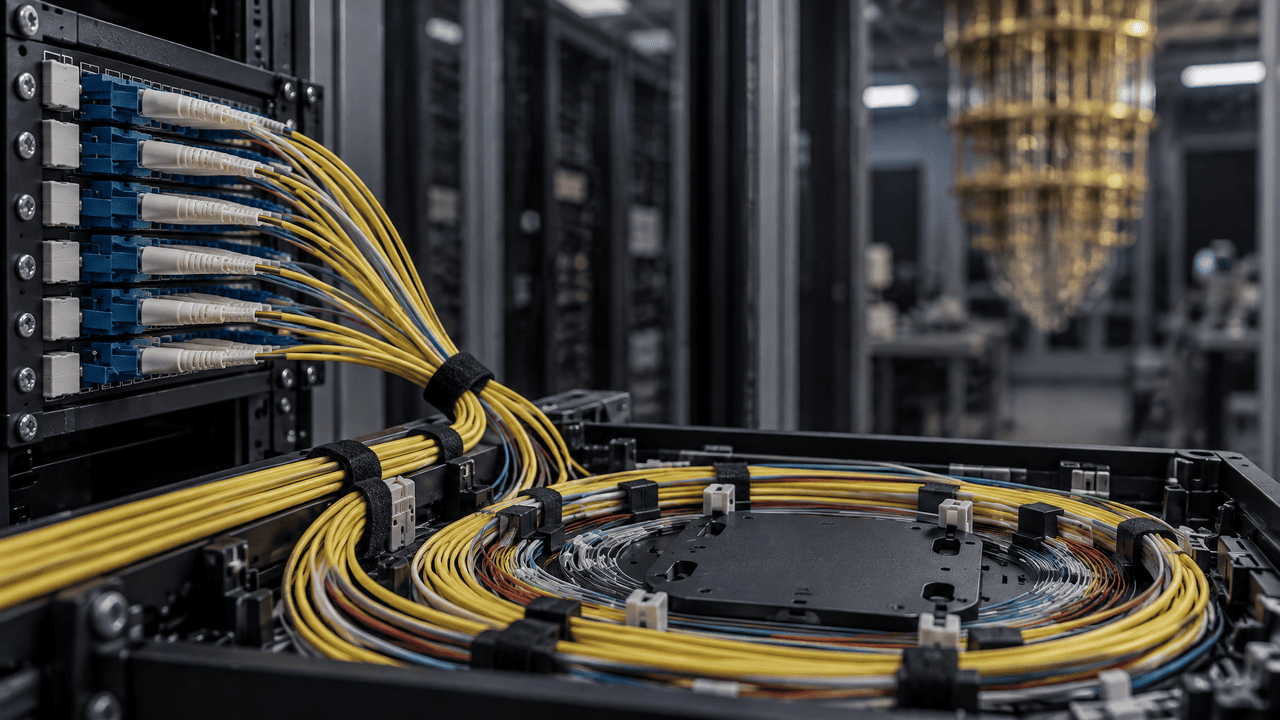
Each pre-assembled fiber optic cable length is measured using an optical time domain reflectometer, or OTDR for short. The device sends short light pulses into the fiber and evaluates the return signal. This allows precise localization of splice loss, connector loss, and any mechanical damage – even over many kilometers of cable length.
The measurement protocol shows the damping values for each individual fiber, the position of all connection points, and any irregularities in the fiber path. Deviations from the target values are corrected before the measurement is completed. Learn more about our measurement procedures on the page dedicated to them.
OTDR measurement at GRAEF. The result is a fully tested and documented fiber optic line that meets the technical and normative requirements of the client.
GRAEF as a partner for LWL installation nationwide
The GRAEF Group has many years of experience in the installation and assembly of optical fiber cables – for industry, commerce, public facilities and the expansion of the network. The portfolio covers all relevant areas: in-house cabling, outdoor wiring, direct burial and the installation of underground pipelines. All work is carried out by trained professionals and is subject to measurement.
As part of our portfolio inNetworking and electrical engineering We combine WLL expertise with a holistic view of the system. You can find the complete overview of implemented infrastructure projects in our reference overview. Our team is available to answer any questions regarding a non-binding project inquiry via the Contact page of the GRAEF Group available.
What is the difference between welding and mechanical splicing?
In welding fusion splicing, the fiber ends are thermally fused together. The result is very low attenuation values that remain permanently stable. Mechanical connectors are used for temporary or field-side connections that can be quickly produced; however, they generally have higher losses.
What does ZTV 48 mean in LWL installations?
The ZTV 48 is a standard for civil engineering work in the field of telecommunications infrastructure in Germany. It sets minimum requirements for route guidance, cable protection, marking and documentation and is often included as part of the tender documents by public contracting authorities.
What does an OTDR measurement measure?
An OTDR measures the attenuation along a fiber optic path and locates all connection points, splices, and mechanical anomalies. The result is a measurement protocol that uniquely documents each fiber and serves as a baseline for the measurement.
In which regions does GRAEF LWL carry out installations?
The GRAEF Group operates nationwide – for industry, commerce and public authorities. Its headquarters are located in Berlin and Detmold.

Contributions from the practical experience of our installers, project managers and software developers. The group is led by founder Peter Gräf, a DGuSV-certified expert in security technology.
Our team



 German
 English