

 Deutsch
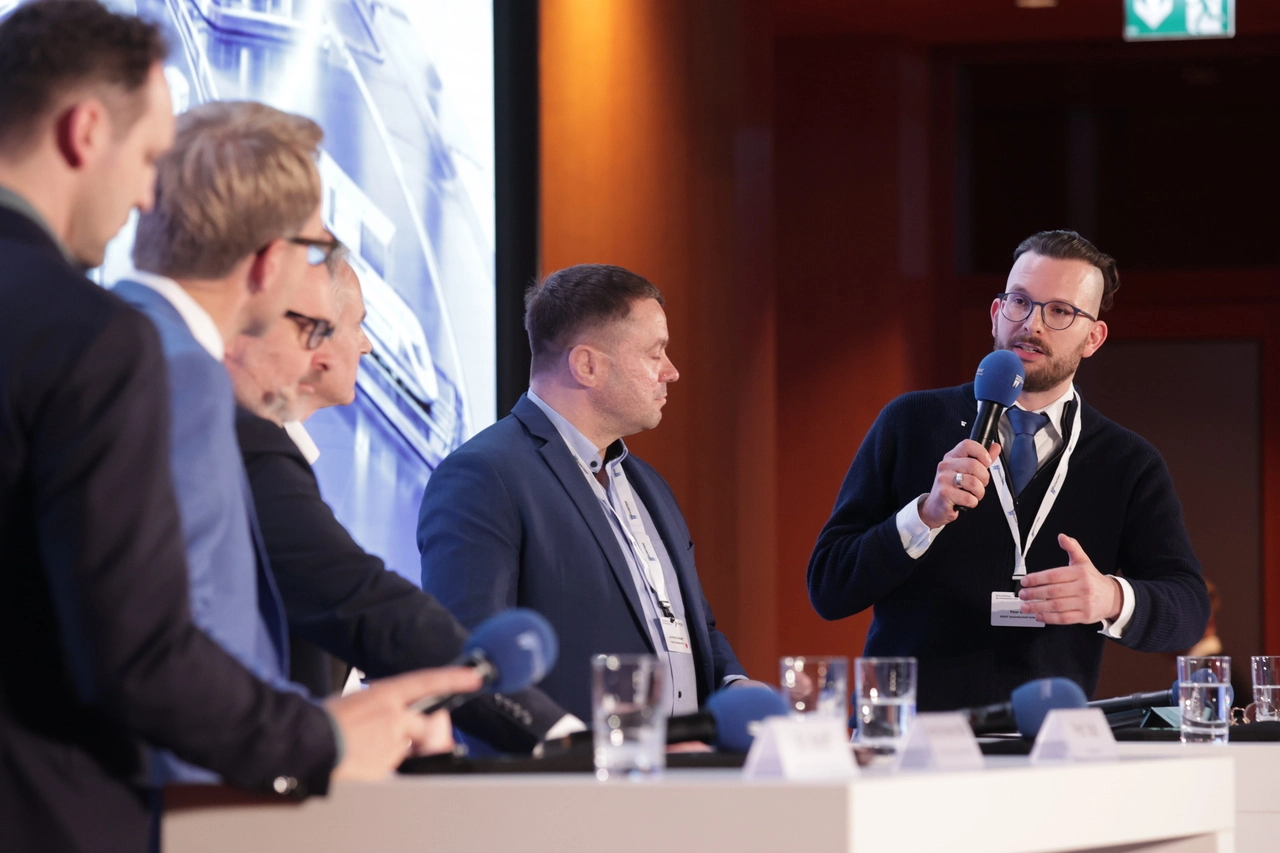
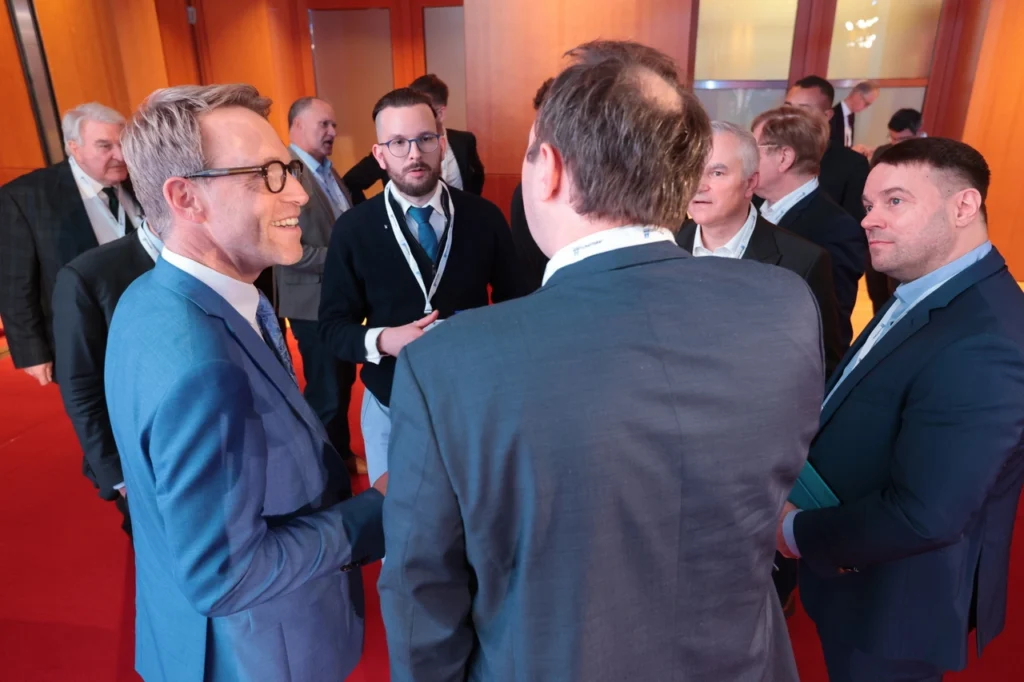
Digital sovereignty is not an end in itself – it is a fundamental prerequisite for Germany’s competitiveness in an increasingly interconnected and cyber-threat-ridden world. On November 5, 2026, high-ranking representatives from politics, the military, the technology industry, and the security sector discussed at the Innovation Economic Conference how to achieve this change. Peter Gräf, CEO of the GRAEF Group, was invited as a speaker in Panel Session III and brought the perspective of an experienced security technologist to the discussion.
Panel Session III: Cybernation as a competitive strategy
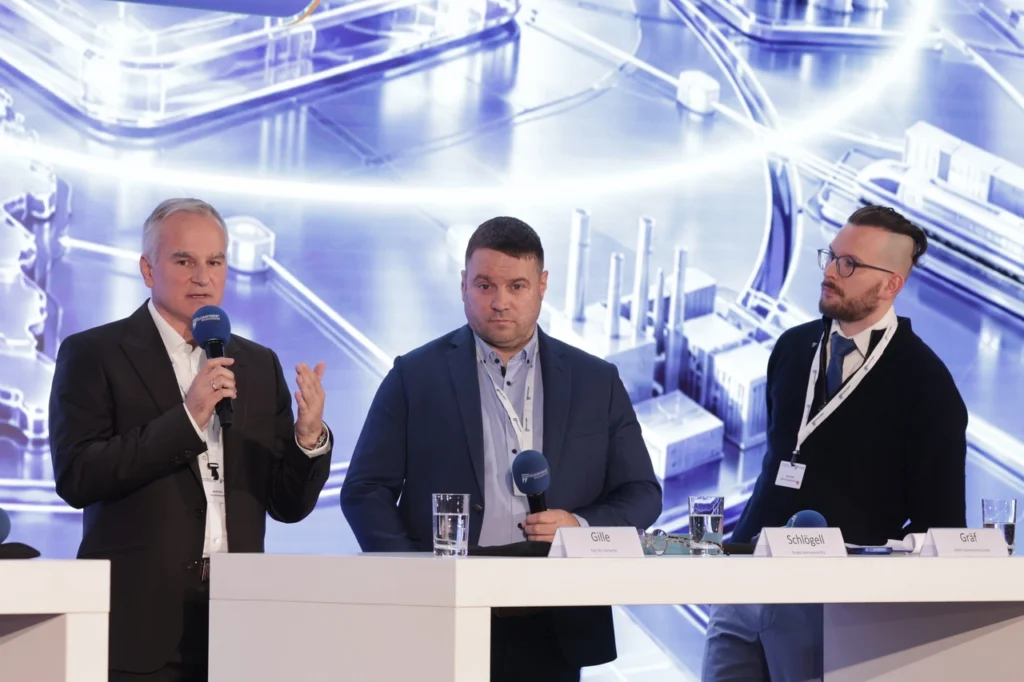
In the Forum Sub-Level of the Innovation Economic Day, a panel session III titled „From Cybernation to a Competitiveness Nation: How Germany Strengthens Digital Sovereignty, Innovation, and Resilience“ took place from 16:00 to 17:00. Moderated by Prof. Timo Kob, founder and CEO of HiSolutions AG, five experts spoke: Marc Henrichmann MdB, Chairman of the Parliamentary Control Committee (PKGr); Dr. Martin C. Wolff, Chairman of the Clausewitz Network for Strategic Studies; Arnd Gille, Director Solutions Consulting Germany at Palo Alto Networks; Jan Patrick Schlögell, Regional Vice President at N-able Technologies Ltd.; and Peter Gräf as CEO of the GRAEF Group.
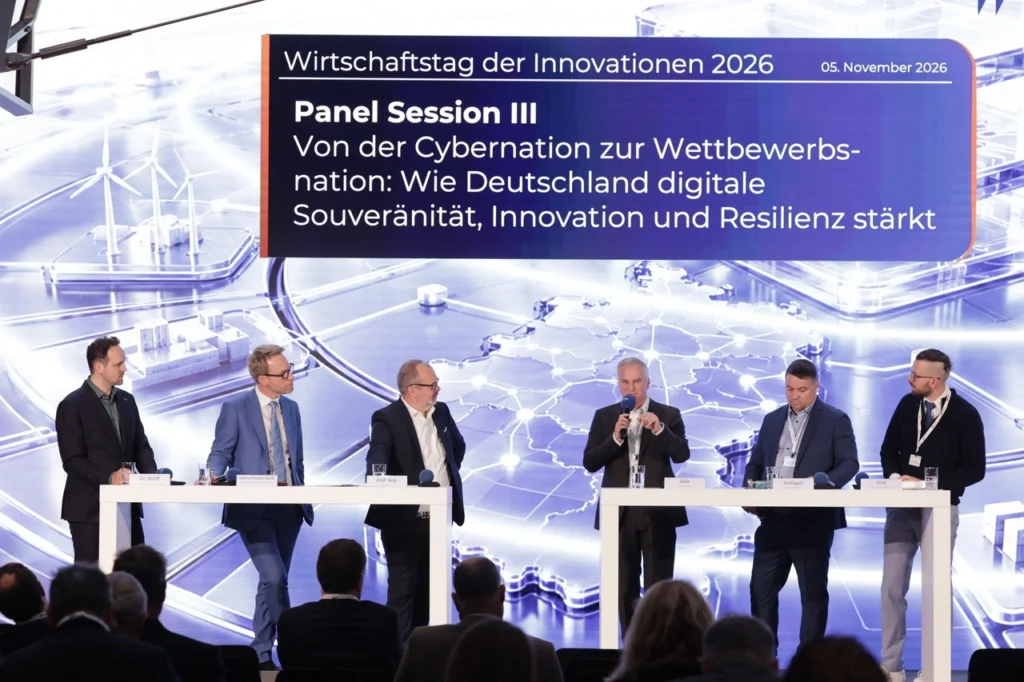
Prof. Kob opened the discussion with the central question of how to bridge the gap between political decisions and their economic implementation – and whether Germany finally understands cybersecurity as a strategic economic factor, instead of treating it merely as an unavoidable cost factor. The responses of the panel members showed that without a technical and organizational foundation, the term „cybernation“ remains a declaration of intent. This also includes the systems of physical infrastructure. Security technology, which reliably detect analogous attack vectors against critical infrastructure.
Sovereignty requires infrastructure, data, and a change in mindset
Marc Henrichmann MP made it clear that Germany is moving too slowly in implementing European standards – especially the Cyber Resilience Act with the principle of „Security by Design“. He called for clear fast-track procedures so that new legal requirements do not fail due to outdated structures. He cited the Federal Police Act of 1994 as an example, which no longer meets the real cyber threats of today.
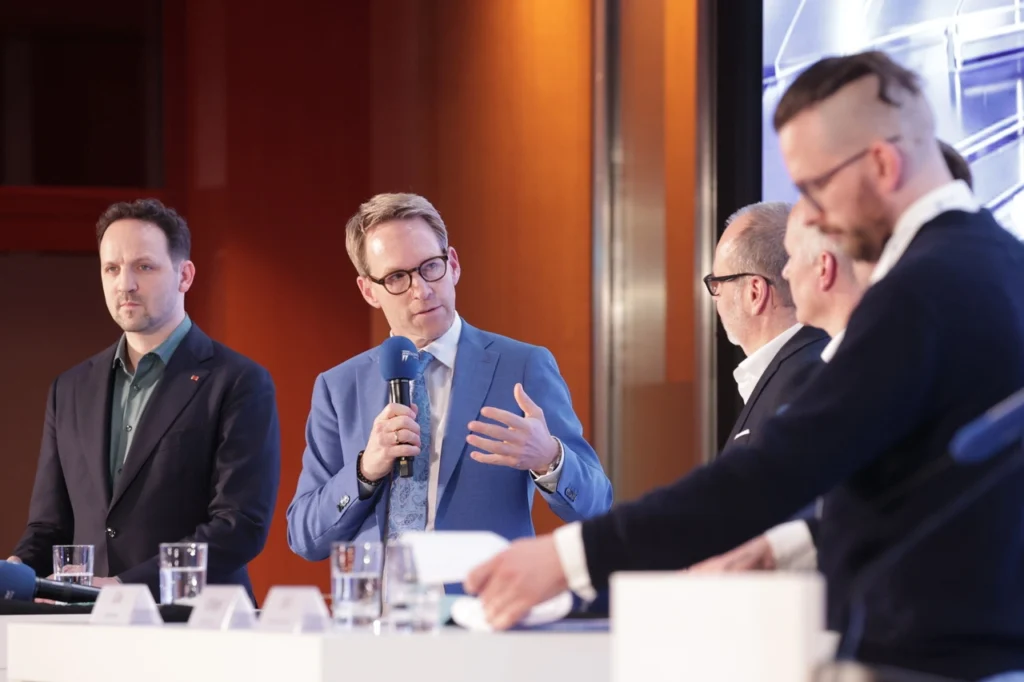
Dr. Martin C. Wolff pointed to a structural weakness in the German security strategy: 90 percent of defense in the 21st century is based on civilian infrastructure – roads, data lines, satellite systems. Those who do not actively protect these do not gain the crucial strategic advantage over actors who target hybrid attacks specifically at civil society. Arnd Gille added that cybersecurity today is a pure data game: metadata determines whether an attack is detected early. The more security-relevant data remain within the EU, the higher the level of protection.
Jan Patrick Schlögell put the focus on the middle class: Around 40 percent of German economic output depends on small and medium-sized enterprises – and these are often the most exposed, because they lack the resources and structures for dedicated security teams. He called for anchoring security not as a barrier to market access but as a standardized, automated component of every digital product. A strategic Cybersecurity consulting helps companies take this step in a structured way.
- Marc Henrichmann MP: Fast-track for EU standards, the Cyber Resilience Act and Security by Design as a legal requirement
- Dr. Martin C. Wolff: 90% of modern national defense relies on civilian infrastructure
- Arnd Gille: Metadata is the key to early detection of cyberattacks
- Jan Patrick Schlögell: 40% of German economic output comes from SMEs – the most vulnerable group
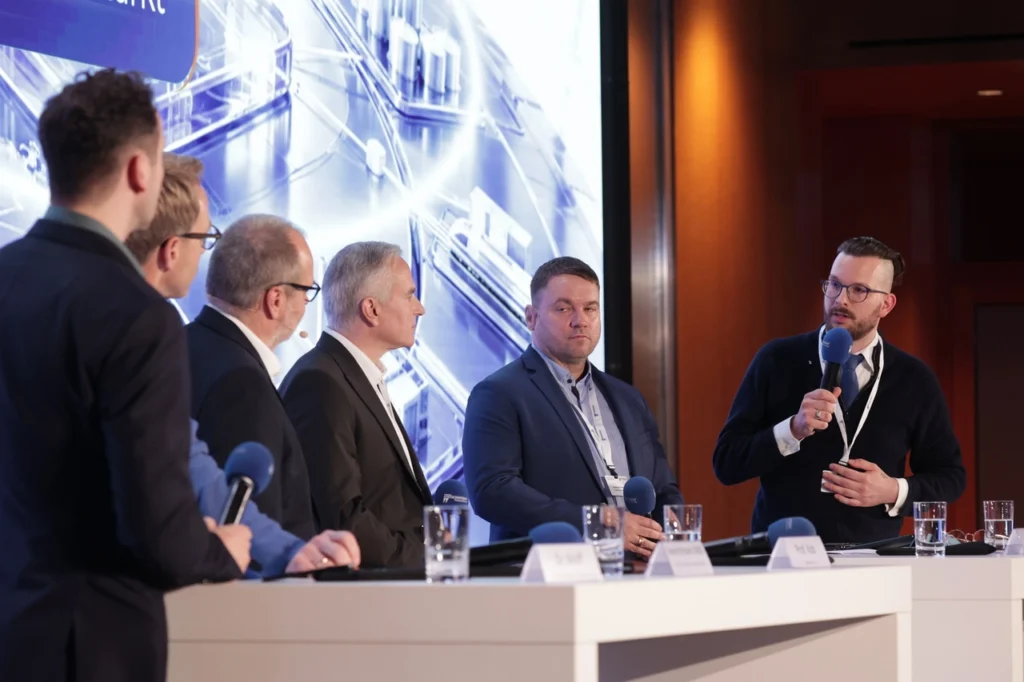
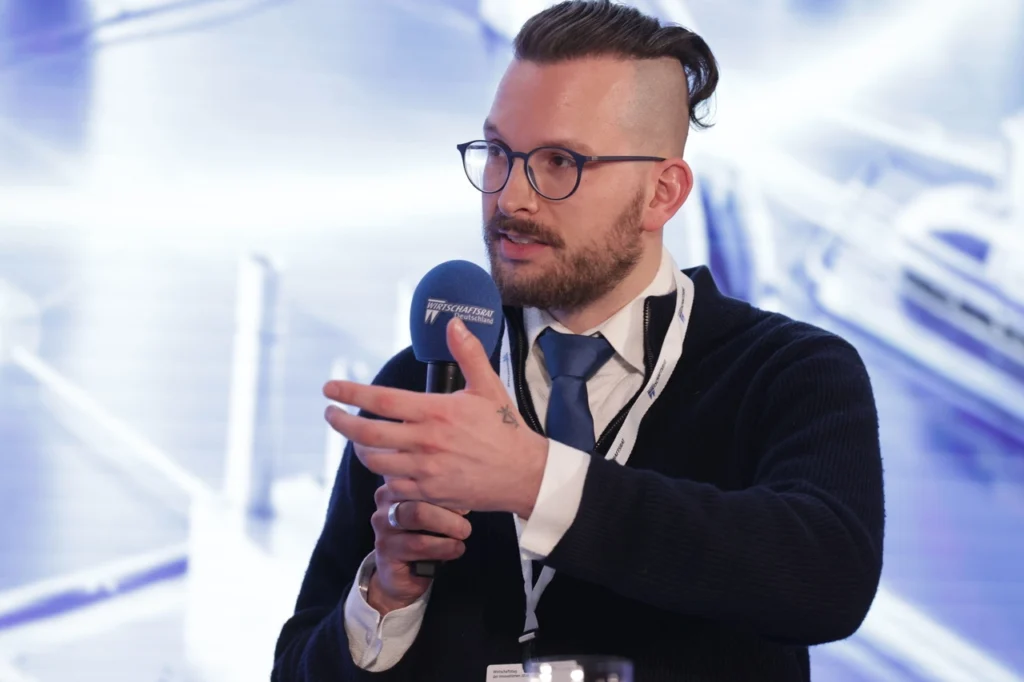
Peter Graeff's contribution: Security technology as an active protection infrastructure
Peter Gräf, CEO of the GRAEF Group, brought the concrete industry perspective. He described the security technology industry as a kind of fire department of modern society: quick to react, professionally equipped and indispensable – but most effectively when acting proactively and not only after a disaster has occurred. The market for electronic security technology in Germany has a volume of around 5.7 billion euros and grows by four to five percent annually – a clear signal that the demand for professional solutions is increasing.
Gräf advocated for a fundamental change in mindset: away from reactive error correction towards a proactive approach, as is known from agile software development. Security infrastructure must not only function technically but must be continuously developed, tested, and adapted to new threat scenarios. This very holistic approach has been pursued by the GRAEF Group since 2007 – from the initial consultation through installation to long-term maintenance – for companies, authorities, and institutions. Public sector all over Germany.
The panel discussion ended with a consensus: Germany’s path to cybernation can only be achieved if state authorities and private companies work more closely together than ever before. Clear responsibilities, mutual trust, and a willingness to make decisions faster are just as important as technical expertise and a robust infrastructure – in both the digital and physical worlds.
Physical and digital security go hand in hand
Access control, video surveillance, and intrusion detection systems protect server rooms, network nodes, and communication infrastructure from unauthorized physical access – and are thus an indispensable addition to any IT security strategy.
What is the Economic Day of Innovation?
The Economic Day of Innovation is a high-level economic conference where representatives from politics, science and the private sector discuss current topics such as digitalization, cybersecurity and competitiveness.
What role did Peter Gräf play at the 2026 economic conference?
Peter Gräf, CEO of the GRAEF Group, was a speaker in Panel Session III. He represented the perspective of the security technology industry and advocated for a proactive, agile approach when building security infrastructure.
What does „cybernation“ mean in the context of the panel?
Cybernation refers to the goal of positioning Germany as a leading nation in digital sovereignty, cyber resilience, and innovation-driven competitiveness – not only technically, but also strategically and in terms of regulations.
What did the experts specifically demand?
Among other things, faster implementation of the Cyber Resilience Act, a change in mindset towards proactive security, stronger cooperation between the state and the private sector, and automated security standards for SMEs were called for.
How does the GRAEF Group support companies in cybersecurity?
The GRAEF Group offers a comprehensive range of services: from strategic cybersecurity consulting to the installation of physical security systems (access control, video surveillance, intrusion detection systems) to long-term maintenance – throughout Germany.
Why is physical security part of the cyber strategy?
Cyberattacks can also be initiated through physical access points – such as unauthorized access to server rooms or network nodes. Access control and intrusion detection systems address these analog vulnerabilities and are therefore integral components of a complete security architecture.
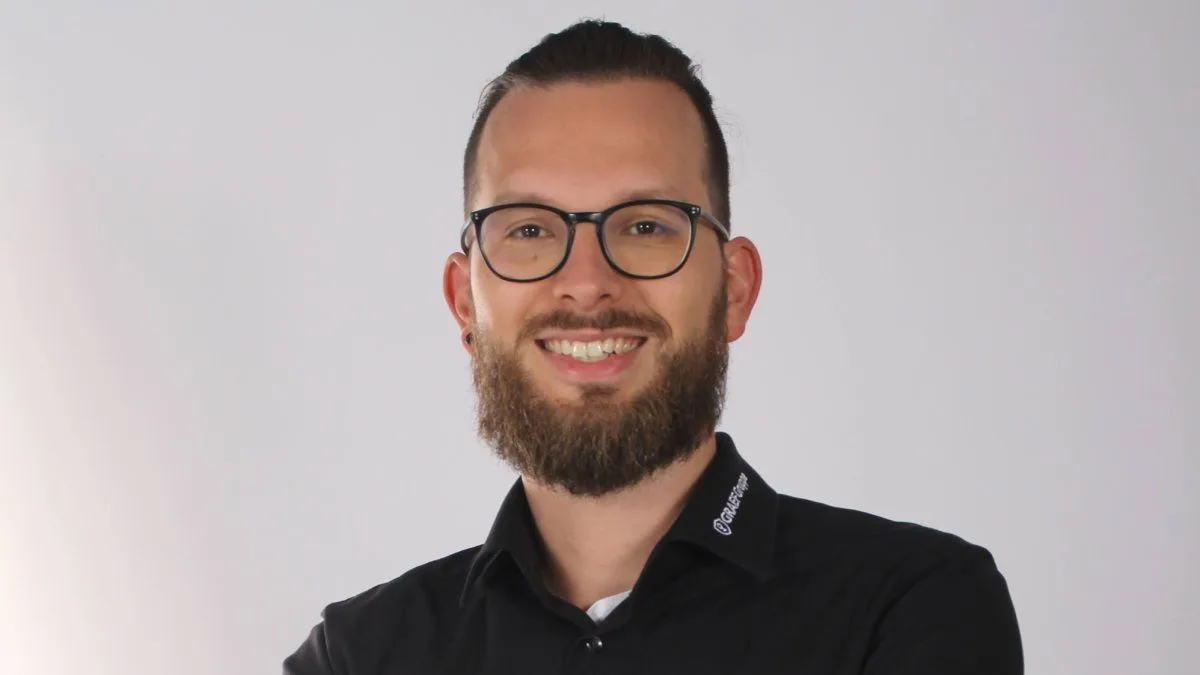
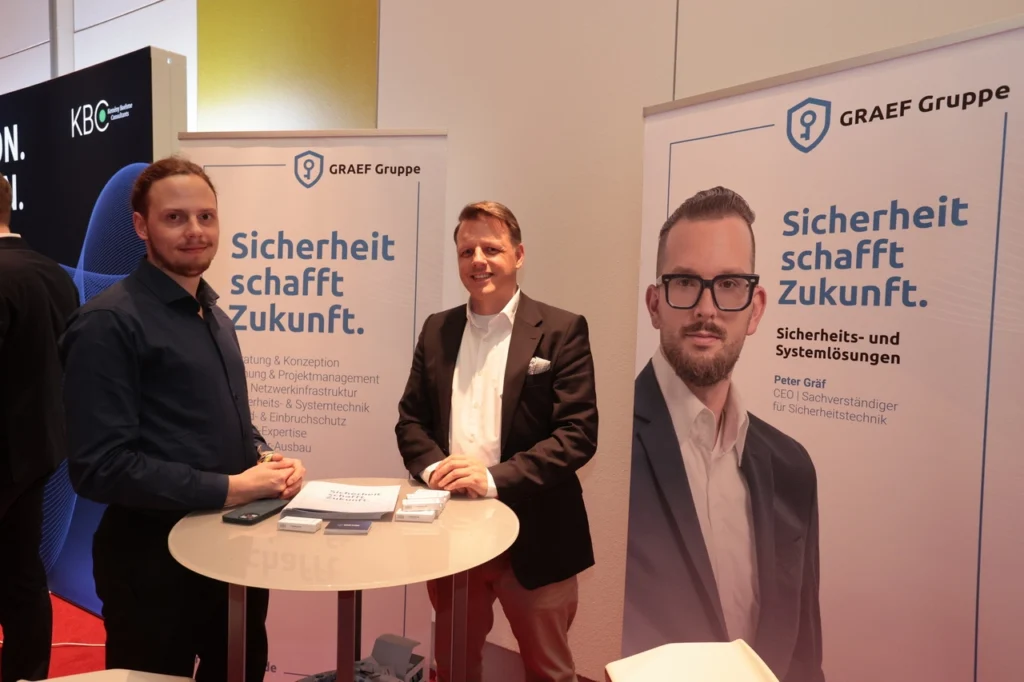
Contributions from the practical experience of our installers, project managers and software developers. The group is led by founder Peter Gräf, a DGuSV-certified expert in security technology.
Our team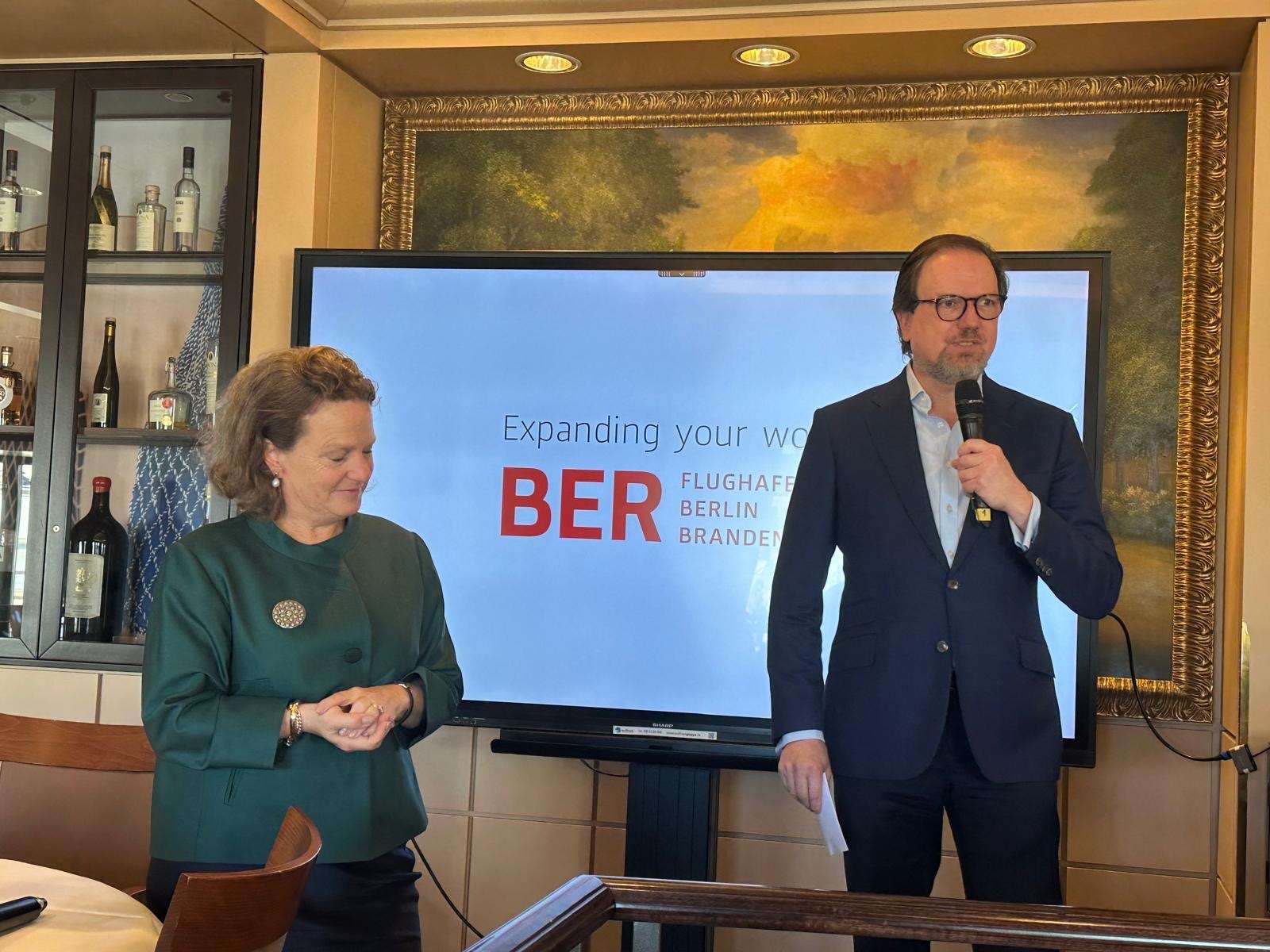


 German
 English