
Peter Gräf bei Online-Konferenz zur Quantenkommunikation als strategische Infrastruktur
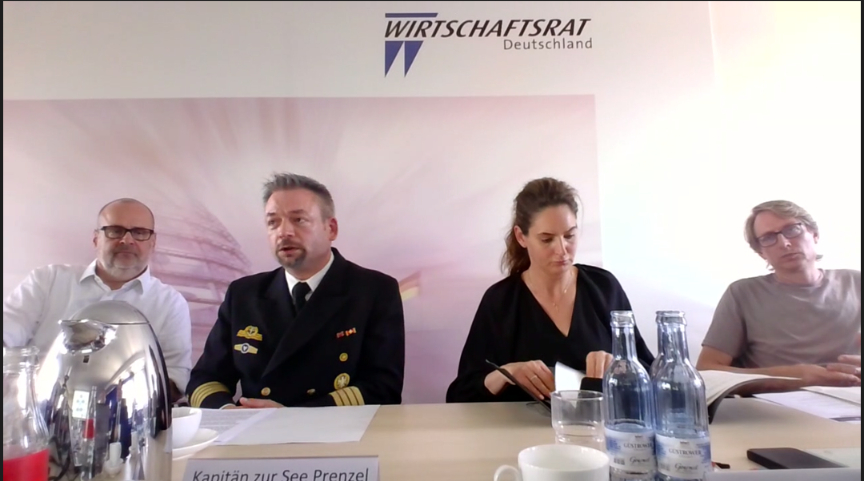
Am Dienstag, den 8. September 2026, nahm Peter Gräf, Direktor und Gründer der GRAEF Gruppe, an einer besonderen Online-Konferenz zur Zukunft der Quantenkommunikation teil. Die gemeinsame Sitzung der Bundesfachkommission Cybersicherheit und der Bundesarbeitsgruppe Raumfahrt stand unter dem Titel „Quantenkommunikation als strategische Infrastruktur für Deutschland und Europa – Wie Raumfahrt und Cybersicherheit unsere technologische Souveränität stärken“.
Die Veranstaltung brachte Perspektiven aus Cybersicherheit, Raumfahrt, Forschung und Sicherheitspolitik zusammen. Im Mittelpunkt stand die Frage, welche technologischen und politischen Voraussetzungen geschaffen werden müssen, damit Quantenkommunikation zu einer sicheren, widerstandsfähigen und strategisch wichtigen Infrastruktur für Deutschland und Europa entwickelt werden kann.
Quantenkommunikation gewinnt strategische Bedeutung
Quantenkommunikation gilt längst nicht mehr nur als Thema der Grundlagenforschung. Die Entwicklung dieser Technologie berührt zentrale Fragen der digitalen Souveränität, des Schutzes kritischer Infrastrukturen und der langfristigen Wettbewerbsfähigkeit Europas. Sichere Kommunikationswege sind für staatliche Einrichtungen, Unternehmen, Forschungsorganisationen und Betreiber wichtiger Infrastrukturen von grundlegender Bedeutung.
Mit der zunehmenden Vernetzung von Energieversorgung, Verkehr, Gesundheitswesen, Verwaltung, Industrie und Telekommunikation steigen auch die Anforderungen an die Sicherheit digitaler Kommunikation. Daten müssen nicht nur schnell und zuverlässig übertragen werden. Sie müssen außerdem vor unbefugtem Zugriff und gezielter Manipulation geschützt werden.
Quantenkommunikation wird in diesem Zusammenhang als ein möglicher Bestandteil zukünftiger Sicherheitsarchitekturen betrachtet. Ihre Entwicklung steht dabei in engem Zusammenhang mit moderner Kryptografie, leistungsfähigen Kommunikationsnetzen, Satellitentechnik und dem Schutz digitaler Systeme.
Technologische Souveränität als gemeinsame Aufgabe
Technologische Souveränität bedeutet, dass Deutschland und Europa über ausreichende Kompetenzen, Infrastrukturen und Entwicklungsmöglichkeiten verfügen, um sicherheitsrelevante Technologien eigenständig beurteilen, einsetzen und weiterentwickeln zu können. Dazu gehören Forschungsförderung, qualifizierte Fachkräfte, sichere Lieferketten sowie eine enge Zusammenarbeit zwischen Politik, Wissenschaft und Wirtschaft.
Gerade bei strategischen Technologien ist es wichtig, langfristig zu denken. Forschungsprojekte, industrielle Anwendungen und politische Rahmenbedingungen müssen aufeinander abgestimmt werden. Nur so kann aus wissenschaftlichen Erkenntnissen eine belastbare Infrastruktur entstehen, die auch den Anforderungen zukünftiger Krisen und Bedrohungsszenarien gewachsen ist.
Cybersicherheit und Raumfahrt gemeinsam betrachtet
Die gemeinsame Sitzung setzte bewusst auf die Verbindung zweier Bereiche, die für die digitale Zukunft Europas von großer Bedeutung sind: Cybersicherheit und Raumfahrt. Satellitengestützte Kommunikationssysteme können eine wichtige Rolle bei der Vernetzung weit entfernter Standorte und bei der Absicherung redundanter Kommunikationswege spielen.
Gleichzeitig müssen auch Raumfahrtsysteme selbst vor Cyberangriffen, Störungen und Manipulation geschützt werden. Dies betrifft Satelliten, Bodenstationen, Steuerungssysteme und die übertragenen Daten. Eine sichere Kommunikationsinfrastruktur muss daher ganzheitlich geplant werden und darf nicht ausschließlich auf einzelne technische Komponenten beschränkt bleiben.
Die Diskussion über Quantenkommunikation verdeutlicht außerdem, dass Sicherheitsfragen zunehmend über einzelne Gebäude oder Netzwerke hinausgehen. Schutzkonzepte müssen physische, digitale und organisatorische Ebenen miteinander verbinden. Eine professionelle Planung von Sicherheitskonzepten berücksichtigt deshalb nicht nur vorhandene Risiken, sondern auch zukünftige technologische Entwicklungen.
Impulse aus Politik, Forschung und Bundeswehr
Zu den angekündigten Impulsgebern gehörten Florian Müller MdB, Mitglied im Ausschuss für Forschung, Technologie, Raumfahrt und Technikfolgenabschätzung der CDU/CSU-Bundestagsfraktion, Dr. Alexandra-Gwyn Paetz, Abteilungsleiterin Technologische Souveränität und Innovation im Bundesministerium für Forschung, Technologie und Raumfahrt, sowie Vizeadmiral Dr. Thomas Daum, Inspekteur Cyber- und Informationsraum der Bundeswehr.
Die unterschiedlichen fachlichen Perspektiven machten deutlich, dass Quantenkommunikation nicht isoliert betrachtet werden kann. Forschung und Entwicklung, staatliche Sicherheitsinteressen, militärische Führungsfähigkeit und wirtschaftliche Wettbewerbsfähigkeit stehen in einem engen Zusammenhang.
Warum solche Themen für Unternehmen wichtig sind
Auch Unternehmen, die nicht unmittelbar an der Entwicklung von Quantenkommunikation beteiligt sind, sind von den Veränderungen in der digitalen Sicherheitslandschaft betroffen. Neue Technologien, strengere Anforderungen an den Schutz von Daten und die zunehmende Vernetzung von Anlagen verlangen nach flexiblen und vorausschauenden Sicherheitskonzepten.
GRAEF Gruppe: Zukunftsorientierte Sicherheit im Blick
Die Teilnahme von Peter Gräf an der Online-Konferenz unterstreicht das Interesse der GRAEF Gruppe an technologischen und sicherheitspolitischen Entwicklungen. Als Unternehmen für Sicherheitstechnik verfolgen wir aufmerksam, wie sich Anforderungen an den Schutz von Gebäuden, Anlagen, Kommunikationswegen und kritischen Infrastrukturen verändern.
Moderne Sicherheit entsteht durch das Zusammenspiel verschiedener Systeme. Einbruchmeldetechnik, Zutrittskontrolle, Videoüberwachung, sichere Alarmübertragung und digitale Verwaltungsprozesse müssen sinnvoll aufeinander abgestimmt werden. Bei der Videoüberwachung spielen beispielsweise nicht nur Bildqualität und Speicherkapazität eine Rolle. Auch Netzwerkverbindungen, Zugriffsrechte, Datenschutz und die Einbindung in bestehende Sicherheitsabläufe sind entscheidend.
Die GRAEF Gruppe möchte Entwicklungen nicht nur beobachten, sondern ihre Bedeutung für die praktische Sicherheitsplanung verstehen. Unser Anspruch ist es, Kunden kompetent zu begleiten und Lösungen zu entwickeln, die sowohl den heutigen Anforderungen als auch den Veränderungen der kommenden Jahre gerecht werden.
Fazit
Die Online-Konferenz zur Quantenkommunikation hat die Bedeutung sicherer und resilienter Kommunikationsinfrastrukturen für Deutschland und Europa in den Mittelpunkt gestellt. Die Verbindung von Cybersicherheit, Raumfahrt, Forschung und Sicherheitspolitik zeigt, dass technologische Souveränität nur durch gemeinsame Anstrengungen entstehen kann.
Mit der Teilnahme von Peter Gräf bekräftigt die GRAEF Gruppe ihren Anspruch, technologische Entwicklungen aufmerksam zu verfolgen und den Blick auf die Zukunft der Sicherheit zu richten. Denn wer Infrastruktur nachhaltig schützen möchte, muss nicht nur heutige Risiken kennen, sondern auch die Technologien verstehen, die morgen die Sicherheitslandschaft prägen werden.