
Videoüberwachung in Museen: Schutz von Kunst und Kulturgütern
"Entdecken Sie, wie Videoüberwachung in Museen zum Schutz von Kunst und Kulturgütern beiträgt. Sicherheit trifft auf Kultur."
Die videoüberwachung in museen spielt eine entscheidende Rolle beim Schutz von Kunst und Kulturgütern. Sie dient nicht nur der Sicherheit, sondern auch der Erhaltung und Pflege von Kunstwerken, die oft unschätzbaren Wert haben. In diesem Artikel werden wir die Bedeutung der videoüberwachung in museen diskutieren und wie sie zum Schutz von Kunst und Kulturgütern beiträgt.
Die Notwendigkeit der Videoüberwachung in Museen
Diebstahl, Vandalismus und unbeabsichtigte Beschädigungen sind einige der größten Bedrohungen für Kunstwerke und Kulturgüter in Museen. Die videoüberwachung in museen kann dazu beitragen, diese Bedrohungen zu minimieren, indem sie potenzielle Täter abschreckt und Beweise für strafrechtliche Ermittlungen liefert. Darüber hinaus kann sie dazu beitragen, die Sicherheitsprotokolle zu verbessern, indem sie Informationen über Besucherströme und Verhaltensmuster liefert.
Wie funktioniert die Videoüberwachung in Museen?
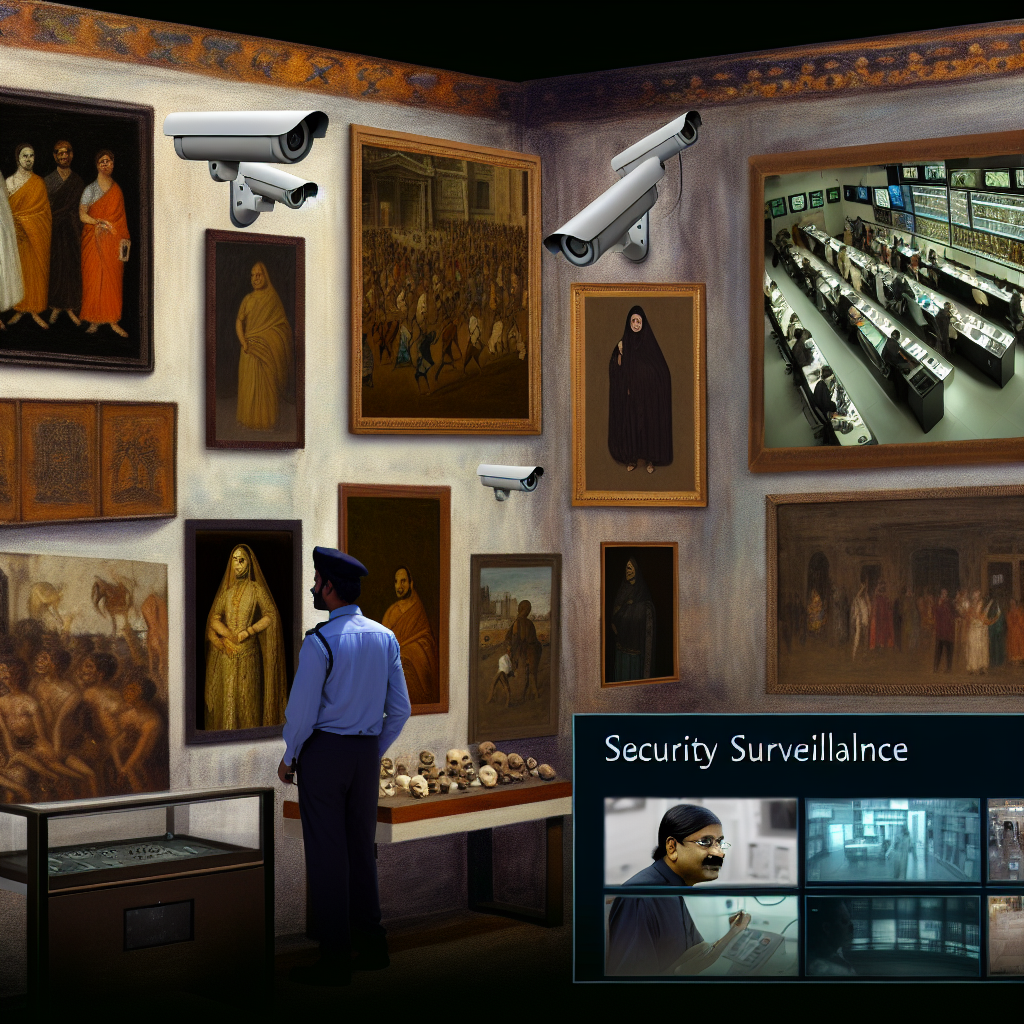
Die videoüberwachung in museen umfasst in der Regel eine Kombination aus fest installierten Kameras und mobilen Geräten, die von Sicherheitspersonal bedient werden. Die Kameras sind so positioniert, dass sie alle Bereiche des Museums abdecken, einschließlich Ausstellungsräume, Lagerräume, Eingänge und Ausgänge. Die aufgezeichneten Bilder werden dann auf Monitoren angezeigt, die vom Sicherheitspersonal überwacht werden, und können bei Bedarf für spätere Untersuchungen gespeichert werden.
Beispiele für erfolgreiche Anwendung der Videoüberwachung in Museen
Es gibt zahlreiche Beispiele, in denen die videoüberwachung in museen dazu beigetragen hat, Kunstwerke und Kulturgüter zu schützen. Ein prominentes Beispiel ist der Diebstahl von Edvard Munchs „Der Schrei“ aus dem Munch Museum in Oslo im Jahr 2004. Dank der Videoüberwachung konnten die Täter identifiziert und das Kunstwerk schließlich wiederbeschafft werden.
Statistiken zur Videoüberwachung in Museen
Obwohl es keine spezifischen Statistiken zur videoüberwachung in museen gibt, zeigen allgemeine Statistiken zur Videoüberwachung, dass sie ein wirksames Mittel zur Verbrechensbekämpfung ist. Laut einer Studie des Urban Institute in den USA führt die Installation von Überwachungskameras zu einer signifikanten Reduzierung der Kriminalität in den überwachten Gebieten. Es ist daher anzunehmen, dass die videoüberwachung in museen eine ähnliche Wirkung hat.
Die Zukunft der Videoüberwachung in Museen
Die Technologie der Videoüberwachung entwickelt sich ständig weiter und bietet immer mehr Möglichkeiten für den Schutz von Kunst und Kulturgütern in Museen. Zu den neuesten Entwicklungen gehören Kameras mit künstlicher Intelligenz, die in der Lage sind, verdächtige Aktivitäten zu erkennen und Alarme auszulösen, sowie Systeme, die in der Lage sind, die Gesichter von Besuchern zu erkennen und mit Datenbanken von bekannten Kunstdieben abzugleichen.
Erweiterte Anwendung der Videoüberwachung in Museen
Die videoüberwachung in museen ist mehr als nur ein Sicherheitssystem. Sie kann auch dazu beitragen, das Besuchererlebnis zu verbessern, indem sie Informationen über Besucherströme und Verhaltensmuster liefert, die dazu genutzt werden können, die Ausstellungsplanung und das Besuchermanagement zu verbessern. Darüber hinaus kann sie dazu beitragen, die Erhaltung von Kunstwerken zu unterstützen, indem sie Informationen über Umweltbedingungen und potenzielle Risiken liefert.
Zusammenfassend lässt sich sagen, dass die videoüberwachung in museen ein unverzichtbares Werkzeug zum Schutz von Kunst und Kulturgütern ist. Sie bietet nicht nur Sicherheit, sondern auch wertvolle Informationen, die dazu genutzt werden können, das Besuchererlebnis zu verbessern und die Erhaltung von Kunstwerken zu unterstützen.