
Wie Lichtwellenleiter die Datenübertragung revolutionieren
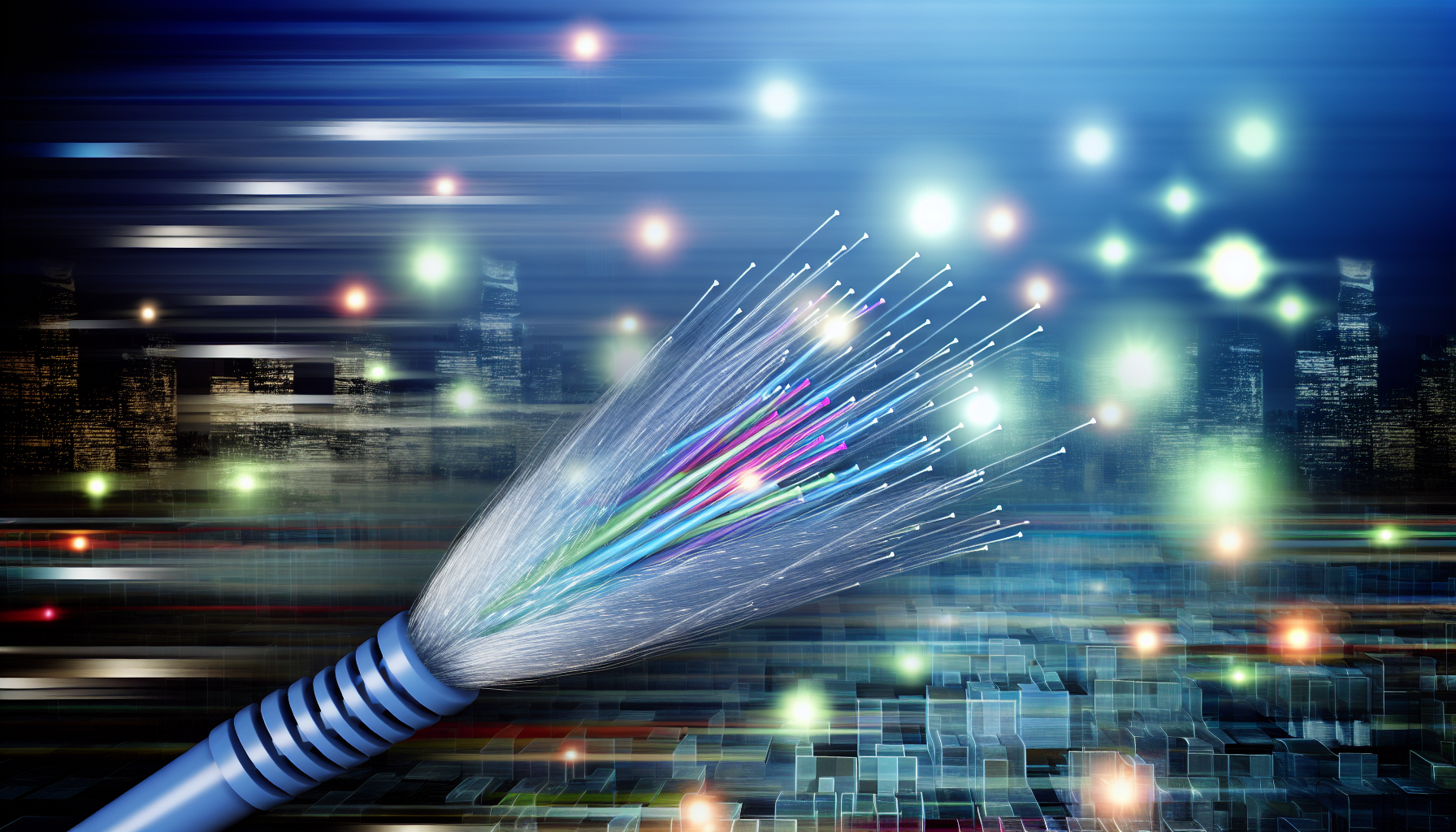
Die Welt der Datenübertragung hat sich in den letzten Jahrzehnten dramatisch verändert. Mit der Einführung von Lichtwellenleitern, auch bekannt als Glasfaserkabel, hat sich die Art und Weise, wie wir Daten übertragen, revolutioniert. Aber wie genau haben Lichtwellenleiter die Datenübertragung revolutioniert? Lassen Sie uns das genauer betrachten.
Was sind Lichtwellenleiter?
Lichtwellenleiter sind dünne Fasern aus Glas oder Kunststoff, die Licht über lange Strecken übertragen können. Sie werden häufig in der Telekommunikation eingesetzt, um Daten mit hoher Geschwindigkeit über große Entfernungen zu übertragen. Im Vergleich zu herkömmlichen Kupferkabeln können Lichtwellenleiter Daten mit einer viel höheren Bandbreite und über größere Entfernungen übertragen.
Die Revolution der Datenübertragung durch Lichtwellenleiter
Die Einführung von Lichtwellenleitern hat die Datenübertragung in vielerlei Hinsicht revolutioniert. Hier sind einige der wichtigsten Punkte:
- Geschwindigkeit: Lichtwellenleiter können Daten mit einer Geschwindigkeit von bis zu 100 Gbit/s übertragen. Das ist deutlich schneller als die Geschwindigkeiten, die mit herkömmlichen Kupferkabeln erreicht werden können.
- Entfernung: Da Lichtwellenleiter Licht anstelle von elektrischen Signalen verwenden, können sie Daten über viel größere Entfernungen übertragen, ohne dass die Signalqualität abnimmt.
- Bandbreite: Lichtwellenleiter können eine viel größere Menge an Daten gleichzeitig übertragen. Dies macht sie ideal für Anwendungen, die eine hohe Bandbreite erfordern, wie z.B. Streaming-Dienste oder Cloud-Computing.
- Sicherheit: Da Lichtwellenleiter keine elektromagnetischen Signale aussenden, sind sie weniger anfällig für Abhörversuche. Dies macht sie zu einer sichereren Option für die Datenübertragung.
Beispiele für den Einsatz von Lichtwellenleitern
Es gibt viele Beispiele dafür, wie Lichtwellenleiter die Datenübertragung revolutioniert haben. Ein gutes Beispiel ist das Internet. Die meisten der Daten, die wir täglich über das Internet senden und empfangen, werden über Lichtwellenleiter übertragen. Ohne sie wäre das heutige Internet, wie wir es kennen, nicht möglich.
Ein weiteres Beispiel ist das Cloud-Computing. Viele Unternehmen verlassen sich heute auf Cloud-Dienste, um ihre Daten zu speichern und zu verarbeiten. Diese Dienste erfordern eine hohe Bandbreite und schnelle Datenübertragungsraten, die nur durch Lichtwellenleiter möglich sind.
Die Zukunft der Datenübertragung
Die Zukunft der Datenübertragung sieht sehr vielversprechend aus, und Lichtwellenleiter werden dabei eine entscheidende Rolle spielen. Mit der Weiterentwicklung der Technologie werden wir wahrscheinlich noch schnellere Datenübertragungsraten und noch größere Bandbreiten sehen.
Zum Beispiel arbeiten Forscher bereits an der Entwicklung von Quanten-Internet, das die Prinzipien der Quantenmechanik nutzt, um Daten mit noch höherer Geschwindigkeit und Sicherheit zu übertragen. Und auch hier werden Lichtwellenleiter eine entscheidende Rolle spielen.
Zusammenfassend lässt sich sagen, dass Lichtwellenleiter die Datenübertragung revolutioniert haben und weiterhin revolutionieren werden. Sie haben die Art und Weise, wie wir Daten übertragen, grundlegend verändert und werden auch in Zukunft eine entscheidende Rolle in der Welt der Datenübertragung spielen.