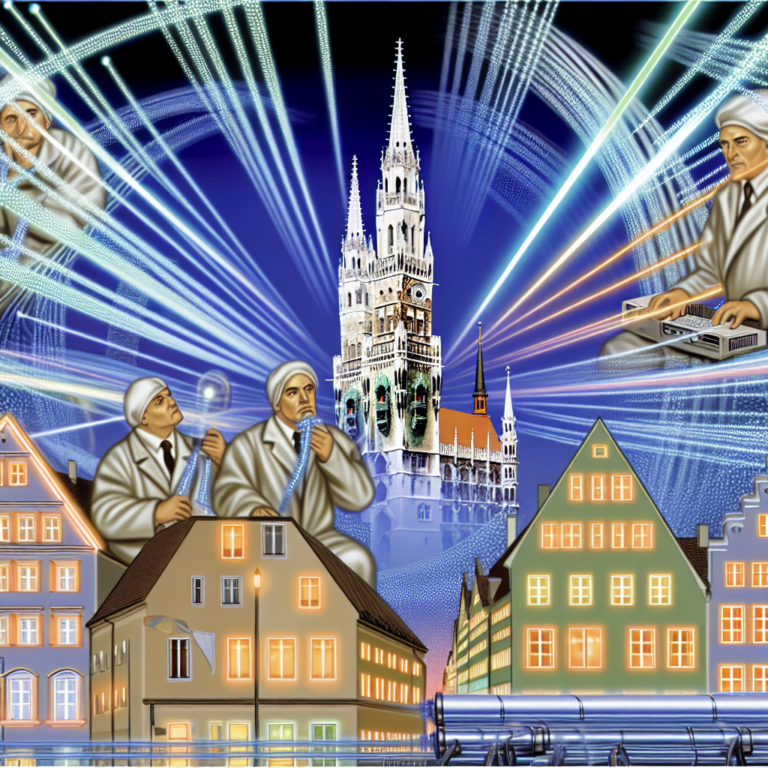

Lichtleiterkabel: Die Basis für moderne Glasfasertechnologie
"Lichtleiterkabel sind das Rückgrat der modernen Glasfasertechnologie, ermöglichen blitzschnelle Datenübertragung und stabile Verbindungen."

Lichtleiterkabel, auch bekannt als Glasfaserkabel, sind das Rückgrat der modernen Telekommunikation und Datenübertragung. Sie sind die Basis für die moderne Glasfasertechnologie, die eine schnelle und effiziente Datenübertragung ermöglicht. Aber was genau sind lichtleiterkabel und wie funktionieren sie?
Was sind Lichtleiterkabel?
Lichtleiterkabel sind Kabel, die aus Glasfasern bestehen und Lichtsignale über weite Strecken übertragen können. Sie sind in der Lage, Daten mit einer Geschwindigkeit zu übertragen, die weit über der von herkömmlichen Kupferkabeln liegt. Dies macht sie zu einer idealen Lösung für Telekommunikationsnetze, Internetverbindungen und andere Anwendungen, bei denen große Datenmengen übertragen werden müssen.
Hinweis zu AI-generierten Inhalten: Die Inhalte dieses Blogs werden mithilfe fortschrittlicher künstlicher Intelligenz erstellt. Obwohl wir uns bemühen, Ihnen stets präzise und nützliche Informationen zu bieten, kann es vorkommen, dass Fragen oder Unklarheiten bestehen bleiben. In solchen Fällen stehen Ihnen unsere Experten gerne zur Verfügung. Zögern Sie nicht, uns über die unten aufgeführten Kontaktmöglichkeiten zu erreichen. Unsere Spezialisten sind wahre Kenner ihres Fachs und helfen Ihnen gerne weiter!

Kontaktmöglichkeiten:

Feedback-Formular: Formular Ausfüllen
E-Mail: vertrieb@graef-gruppe.de
Telefon: +493069202294
Wir freuen uns auf Ihre Rückfragen und darauf, Ihnen bei jedem Anliegen behilflich zu sein!
Wie funktionieren Lichtleiterkabel?
Das Prinzip hinter Lichtleiterkabeln ist einfach. Sie nutzen die Totalreflexion von Licht, um Signale über weite Strecken zu übertragen. Das Licht wird in einem Winkel in das Kabel eingekoppelt, der so gewählt ist, dass es innerhalb des Kabels hin und her reflektiert wird, ohne dass es austritt. Auf diese Weise kann das Licht über große Entfernungen ohne signifikanten Signalverlust übertragen werden.
Vorteile von Lichtleiterkabeln
Es gibt viele Vorteile, die lichtleiterkabel gegenüber herkömmlichen Kupferkabeln bieten:
- Sie können Daten über weite Strecken ohne signifikanten Signalverlust übertragen.
- Sie sind immun gegen elektromagnetische Interferenzen, die die Signalqualität bei Kupferkabeln beeinträchtigen können.
- Sie können eine viel größere Bandbreite an Daten übertragen, was sie ideal für Anwendungen macht, bei denen große Datenmengen übertragen werden müssen, wie z.B. Internetverbindungen und Telekommunikationsnetze.
- Sie sind dünner und leichter als Kupferkabel, was ihre Installation und Handhabung erleichtert.
Anwendungen von Lichtleiterkabeln
lichtleiterkabel finden in einer Vielzahl von Anwendungen Verwendung. Sie sind die Basis für moderne Glasfasertechnologie und werden in vielen Bereichen eingesetzt, darunter:
- Telekommunikation: lichtleiterkabel sind das Rückgrat der modernen Telekommunikationsnetze. Sie ermöglichen die schnelle und effiziente Übertragung von Sprach-, Video- und Datensignalen über weite Strecken.
- Internetverbindungen: lichtleiterkabel ermöglichen Hochgeschwindigkeits-Internetverbindungen und sind die Basis für Breitband-Internetdienste.
- Datennetze: In Unternehmen und Rechenzentren werden lichtleiterkabel zur Verbindung von Servern und zur Übertragung großer Datenmengen verwendet.
Lichtleiterkabel: Die Zukunft der Datenübertragung
Angesichts der zunehmenden Abhängigkeit von schnellen und zuverlässigen Datenverbindungen wird die Bedeutung von Lichtleiterkabeln in der Zukunft nur noch zunehmen. Sie sind die Basis für moderne Glasfasertechnologie und ermöglichen die schnelle und effiziente Übertragung von Daten über weite Strecken. Mit ihrer hohen Bandbreite, ihrer Immunität gegen elektromagnetische Interferenzen und ihrer Fähigkeit, Daten ohne signifikanten Signalverlust zu übertragen, sind lichtleiterkabel die Zukunft der Datenübertragung.
Lichtleiterkabel: Die Basis für moderne Glasfasertechnologie
Zusammenfassend lässt sich sagen, dass lichtleiterkabel eine entscheidende Rolle in der modernen Kommunikation und Datenübertragung spielen. Sie sind die Basis für moderne Glasfasertechnologie und ermöglichen eine schnelle, effiziente und zuverlässige Datenübertragung. Mit ihrer zunehmenden Verbreitung und Nutzung in verschiedenen Anwendungsbereichen sind lichtleiterkabel ein wesentlicher Bestandteil der digitalen Infrastruktur unserer Zeit.