
Sicherheitstechnik für Banken: Höchste Sicherheitsstandards für Finanzinstitute
"Sicherheitstechnik für Banken gewährleistet höchste Sicherheitsstandards. Schützen Sie Ihr Finanzinstitut mit modernster Sicherheitstechnik."
Die Sicherheitstechnik für Banken ist ein entscheidender Faktor für den Schutz von Finanzinstituten. Mit der zunehmenden Digitalisierung und dem Aufkommen von Cyberkriminalität ist es für Banken unerlässlich, die höchsten Sicherheitsstandards zu implementieren und aufrechtzuerhalten. In diesem Artikel werden wir die verschiedenen Aspekte der Sicherheitstechnik für Banken und die Bedeutung der Einhaltung der höchsten Sicherheitsstandards für Finanzinstitute diskutieren.
Die Bedeutung der Sicherheitstechnik für Banken
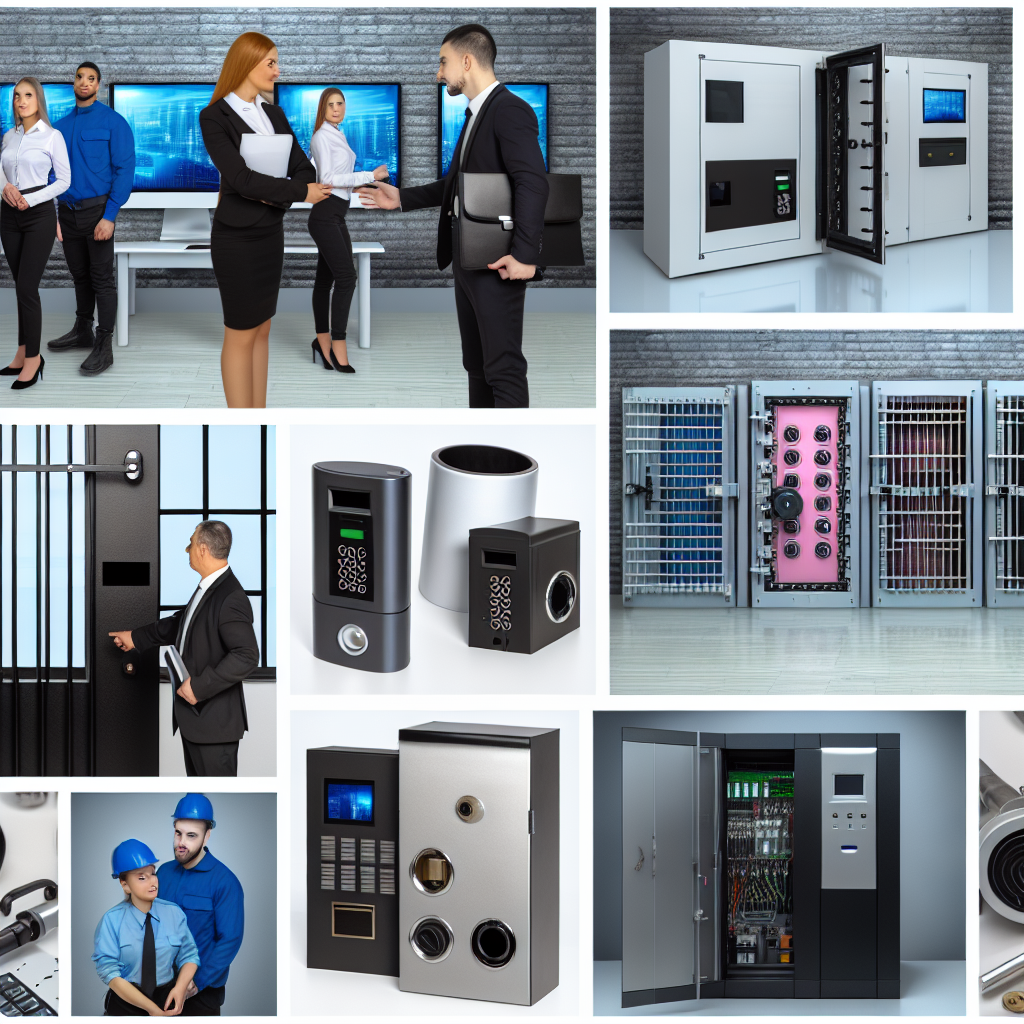
Die Sicherheitstechnik für Banken ist ein komplexes System von Maßnahmen, Technologien und Verfahren, die darauf abzielen, die Sicherheit von Finanzinstituten zu gewährleisten. Sie umfasst physische Sicherheitsmaßnahmen wie Überwachungskameras und Alarmsysteme, aber auch digitale Sicherheitslösungen wie Firewalls, Verschlüsselungstechnologien und Intrusion-Detection-Systeme.
Die Bedeutung der Sicherheitstechnik für Banken kann nicht hoch genug eingeschätzt werden. Laut einer Studie von Cybersecurity Ventures wird erwartet, dass die Kosten für Cyberkriminalität weltweit bis 2025 10,5 Billionen US-Dollar erreichen werden. Daher ist es für Banken von entscheidender Bedeutung, ihre Sicherheitstechnik ständig zu aktualisieren und zu verbessern, um sich vor solchen Bedrohungen zu schützen.
Die höchsten Sicherheitsstandards für Finanzinstitute
Die Einhaltung der höchsten Sicherheitsstandards ist für Finanzinstitute von entscheidender Bedeutung. Diese Standards umfassen eine Reihe von Best Practices und Richtlinien, die dazu beitragen, die Sicherheit von Banken zu gewährleisten. Einige der wichtigsten Sicherheitsstandards für Finanzinstitute sind:
- ISO 27001: Dieser internationale Standard legt die Anforderungen für ein Informationssicherheitsmanagementsystem (ISMS) fest und bietet einen systematischen Ansatz zur Verwaltung sensibler Unternehmensinformationen.
- PCI DSS: Der Payment Card Industry Data Security Standard (PCI DSS) ist ein Sicherheitsstandard für Organisationen, die Kreditkartentransaktionen verarbeiten. Er legt Anforderungen für die sichere Speicherung, Verarbeitung und Übertragung von Karteninhaberdaten fest.
- GDPR: Die General Data Protection Regulation (GDPR) ist eine Verordnung der Europäischen Union, die den Datenschutz für alle Einzelpersonen innerhalb der EU und des EWR regelt.
Beispiele für Sicherheitstechnik in Banken
Es gibt viele Beispiele für die Anwendung von Sicherheitstechnik in Banken. Einige davon sind:
- Biometrische Authentifizierung: Viele Banken implementieren biometrische Authentifizierungsmethoden wie Fingerabdruck- oder Gesichtserkennung, um die Sicherheit ihrer Kunden zu gewährleisten.
- Künstliche Intelligenz: KI wird zunehmend in der Sicherheitstechnik für Banken eingesetzt, um Anomalien im Verhalten von Benutzern zu erkennen und potenzielle Bedrohungen zu identifizieren.
- Blockchain-Technologie: Einige Banken experimentieren mit der Blockchain-Technologie, um die Sicherheit und Transparenz ihrer Transaktionen zu verbessern.
Sicherheitstechnik für Banken: Ein kontinuierlicher Prozess
Die Sicherheitstechnik für Banken ist kein einmaliges Ereignis, sondern ein kontinuierlicher Prozess. Banken müssen ständig ihre Sicherheitsmaßnahmen überprüfen und aktualisieren, um mit den sich ständig ändernden Bedrohungen Schritt zu halten. Dies erfordert eine ständige Überwachung der Sicherheitslandschaft, regelmäßige Risikobewertungen und die Implementierung von Verbesserungen, wenn nötig.
Sicherheitstechnik Bank: Höchste Sicherheitsstandards für Finanzinstitute
Zusammenfassend lässt sich sagen, dass die Sicherheitstechnik für Banken von entscheidender Bedeutung ist, um die Sicherheit und Integrität von Finanzinstituten zu gewährleisten. Durch die Implementierung der höchsten Sicherheitsstandards können Banken ihre Kunden schützen, das Vertrauen der Öffentlichkeit stärken und ihre Geschäftsziele erreichen. Es ist daher unerlässlich, dass Banken in die neuesten Sicherheitstechnologien investieren und sich an die besten Praktiken der Branche halten, um einen robusten und effektiven Sicherheitsrahmen zu gewährleisten.