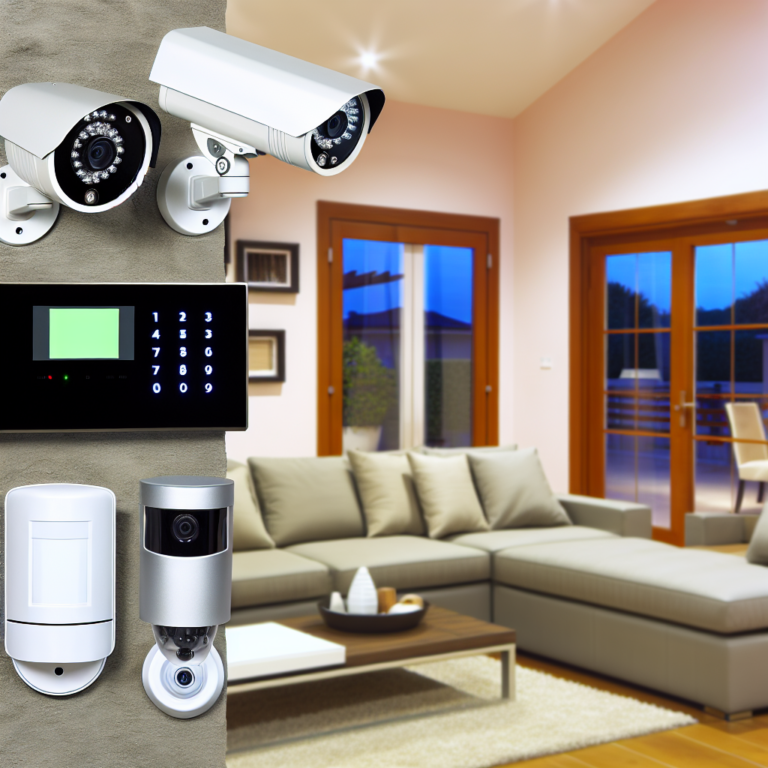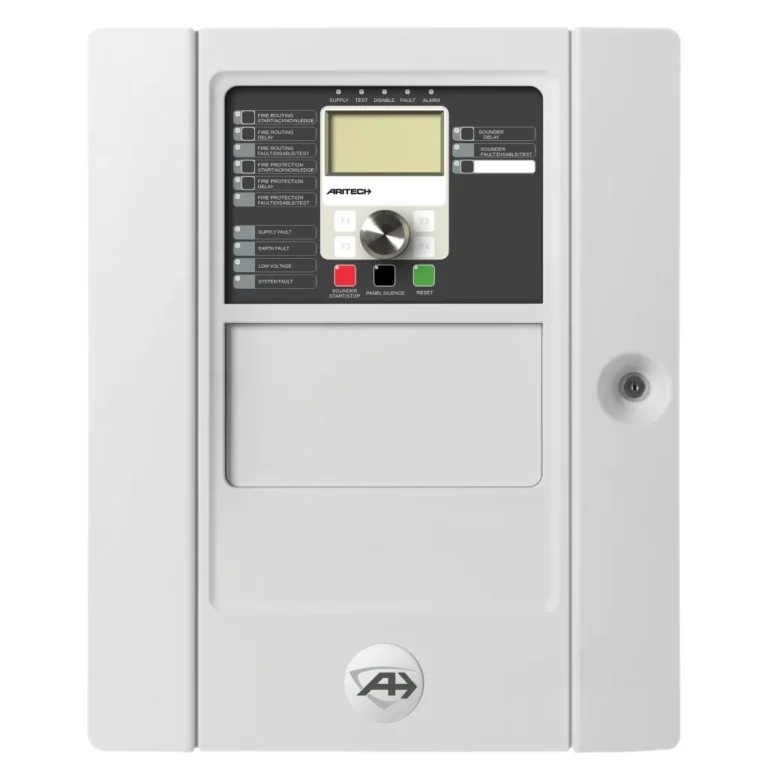

Vernetzte Rauchmelder mit zentraler Steuerung: Erhöhter Brandschutz in Gebäuden
"Vernetzte Rauchmelder mit zentraler Steuerung bieten erhöhten Brandschutz in Gebäuden. Maximale Sicherheit durch rauchmelder zentrale vernetzt."
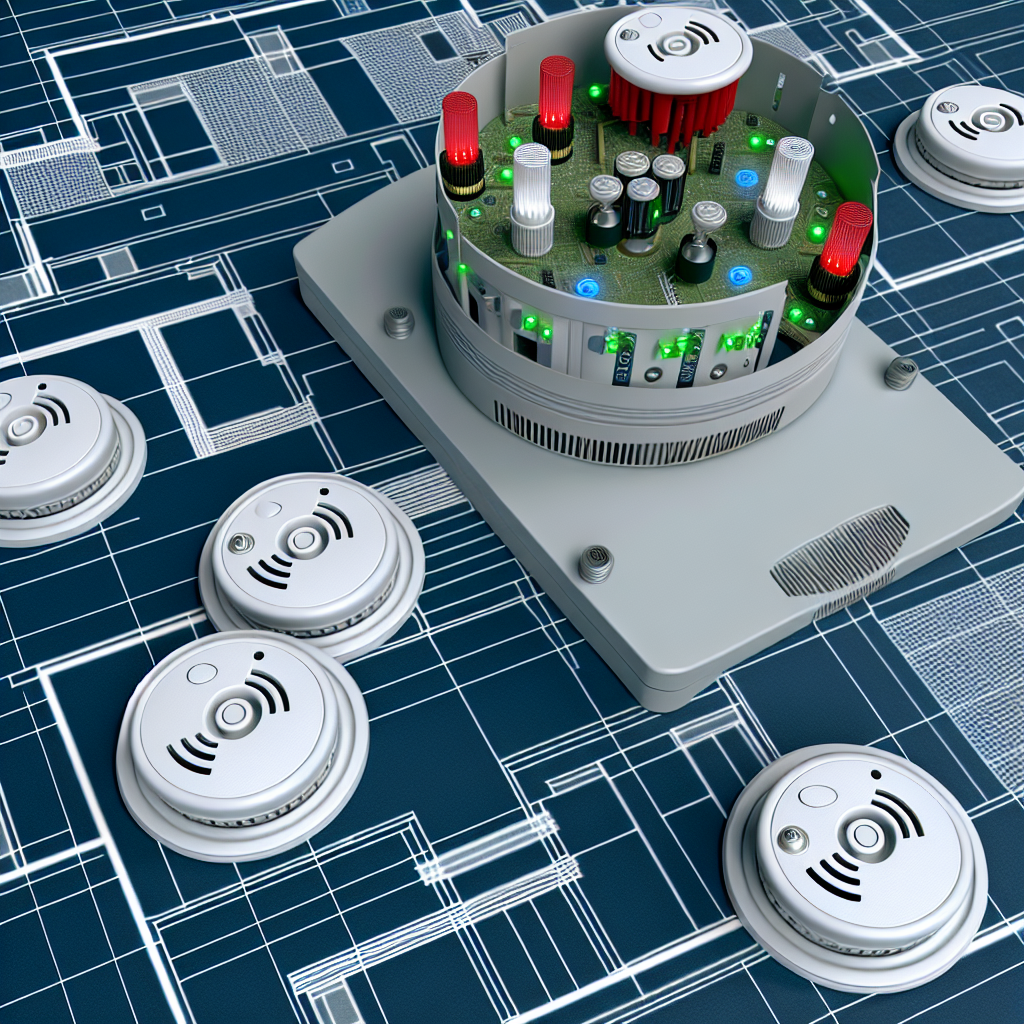
Die Sicherheit von Gebäuden hat in den letzten Jahren durch technologische Fortschritte erheblich zugenommen. Eine dieser Innovationen ist der vernetzte Rauchmelder mit zentraler Steuerung, der einen erhöhten Brandschutz in Gebäuden bietet. Diese Geräte, auch als rauchmelder zentrale vernetzt bekannt, sind eine effektive Lösung zur Früherkennung von Bränden und zur Minimierung von Schäden und Verlusten.
Was sind vernetzte Rauchmelder mit zentraler Steuerung?
Vernetzte Rauchmelder mit zentraler Steuerung sind eine Reihe von Rauchmeldern, die miteinander verbunden sind und von einer zentralen Steuerungseinheit gesteuert werden. Wenn ein Melder Rauch erkennt, sendet er ein Signal an die zentrale Steuerungseinheit, die dann alle anderen Melder im Netzwerk alarmiert. Dies ermöglicht eine schnellere Reaktion auf mögliche Brände und erhöht die Sicherheit in Gebäuden.
Wie funktionieren vernetzte Rauchmelder mit zentraler Steuerung?
Die Funktionsweise von vernetzten Rauchmeldern mit zentraler Steuerung ist recht einfach. Jeder Rauchmelder im Netzwerk ist mit der zentralen Steuerungseinheit verbunden. Wenn ein Melder Rauch erkennt, sendet er ein Signal an die zentrale Steuerungseinheit. Diese Einheit analysiert das Signal und sendet dann einen Alarm an alle anderen Melder im Netzwerk. Dies ermöglicht eine sofortige Reaktion auf den Brand, unabhängig davon, wo er sich im Gebäude befindet.
Vorteile von vernetzten Rauchmeldern mit zentraler Steuerung
Es gibt mehrere Vorteile bei der Verwendung von vernetzten Rauchmeldern mit zentraler Steuerung:
- Sie bieten eine schnellere Reaktion auf Brände, da alle Melder im Netzwerk gleichzeitig alarmiert werden.
- Sie erhöhen die Sicherheit in großen Gebäuden oder Gebäuden mit mehreren Etagen, da sie eine sofortige Warnung in allen Bereichen des Gebäudes ermöglichen.
- Sie ermöglichen eine zentrale Überwachung und Steuerung aller Rauchmelder im Netzwerk, was die Wartung und das Management erleichtert.
Beispiel für den Einsatz von vernetzten Rauchmeldern mit zentraler Steuerung
Ein gutes Beispiel für den Einsatz von vernetzten Rauchmeldern mit zentraler Steuerung ist ein großes Bürogebäude. In einem solchen Gebäude kann es schwierig sein, einen Brand schnell zu erkennen und darauf zu reagieren, insbesondere wenn der Brand in einem weniger frequentierten Bereich ausbricht. Mit vernetzten Rauchmeldern kann jedoch ein Alarm sofort in dem gesamten Gebäude ausgelöst werden, sobald Rauch erkannt wird, wodurch die Evakuierung beschleunigt und das Risiko von Verletzungen und Schäden minimiert wird.
Statistiken zur Effektivität von vernetzten Rauchmeldern mit zentraler Steuerung
Statistiken zeigen, dass vernetzte Rauchmelder mit zentraler Steuerung sehr effektiv sind. Laut einer Studie des National Fire Protection Association (NFPA) in den USA können vernetzte Rauchmelder die Wahrscheinlichkeit, bei einem Brand zu sterben, um bis zu 50% reduzieren. Darüber hinaus zeigt eine Studie des Instituts für Schadenverhütung und Schadenforschung der öffentlichen Versicherer e.V. (IFS), dass in Deutschland in 95% der Fälle, in denen ein vernetzter Rauchmelder installiert war, ein Brand rechtzeitig erkannt und gelöscht werden konnte.
Vernetzte Rauchmelder mit zentraler Steuerung: Erhöhter Brandschutz in Gebäuden
Zusammenfassend lässt sich sagen, dass vernetzte Rauchmelder mit zentraler Steuerung eine effektive Lösung zur Verbesserung des Brandschutzes in Gebäuden sind. Sie bieten eine schnellere Reaktion auf Brände, erhöhen die Sicherheit in großen Gebäuden und ermöglichen eine zentrale Überwachung und Steuerung. Mit der zunehmenden Verbreitung dieser Technologie können wir erwarten, dass die Sicherheit von Gebäuden weiter verbessert wird.
Wie funktionieren diese intelligenten Rauchwarnsysteme?
Jeder Melder ist mit der zentralen Steuereinheit verbunden und meldet Rauchentwicklung. Die Einheit wertet das Signal aus und löst Alarmgeräte im gesamten Netzwerk aus.
Welche Vorteile bieten vernetzte Rauchmelder gegenüber Einzelgeräten?
Sie sorgen für eine schnellere Reaktion bei Bränden, besseren Schutz in mehrstöckigen Gebäuden und vereinfachen die zentrale Überwachung und Wartung aller Geräte.
Wie wirksam sind vernetzte Rauchmelder laut Studien?
Studien zeigen, dass sie das Brandtodesrisiko um bis zu 50 % senken können, und in 95 % der Fälle führen sie zur rechtzeitigen Brandfrüherkennung.