
Zutrittskontrolle in Justizvollzugsanstalten: Höchste Sicherheit für sensible Bereiche
"Zutrittskontrolle in Justizvollzugsanstalten gewährleistet höchste Sicherheit in sensiblen Bereichen. Erfahren Sie mehr über effektive Kontrollsysteme."
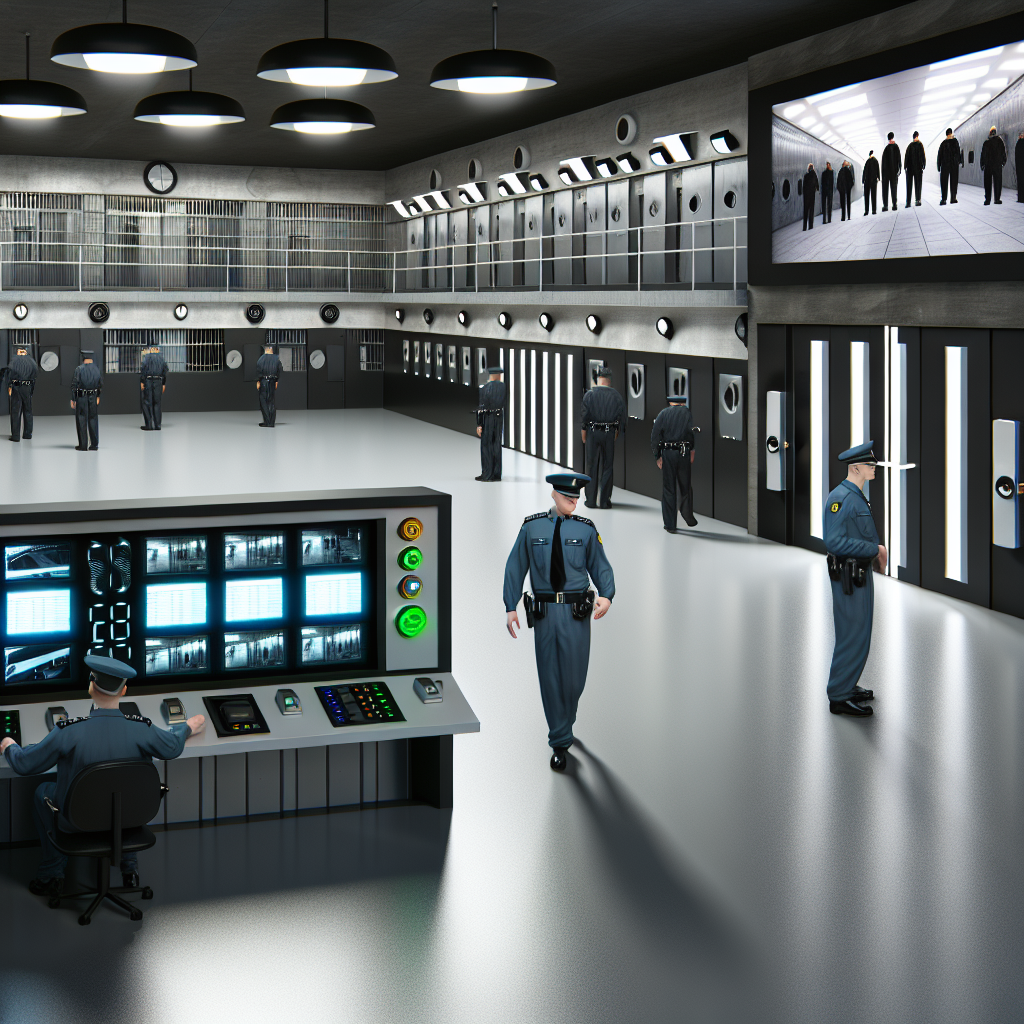
Die Zutrittskontrolle in Justizvollzugsanstalten ist ein entscheidender Aspekt, um die Sicherheit und Ordnung innerhalb der Einrichtung zu gewährleisten. Sie dient nicht nur dem Schutz der Mitarbeiter und Insassen, sondern auch der Aufrechterhaltung der öffentlichen Sicherheit. In diesem Artikel werden wir die Bedeutung der Zutrittskontrolle in Justizvollzugsanstalten und die Maßnahmen, die ergriffen werden, um höchste Sicherheit in diesen sensiblen Bereichen zu gewährleisten, diskutieren.
Hinweis zu AI-generierten Inhalten: Die Inhalte dieses Blogs werden mithilfe fortschrittlicher künstlicher Intelligenz erstellt. Obwohl wir uns bemühen, Ihnen stets präzise und nützliche Informationen zu bieten, kann es vorkommen, dass Fragen oder Unklarheiten bestehen bleiben. In solchen Fällen stehen Ihnen unsere Experten gerne zur Verfügung. Zögern Sie nicht, uns über die unten aufgeführten Kontaktmöglichkeiten zu erreichen. Unsere Spezialisten sind wahre Kenner ihres Fachs und helfen Ihnen gerne weiter!

Kontaktmöglichkeiten:

Feedback-Formular: Formular Ausfüllen
E-Mail: vertrieb@graef-gruppe.de
Telefon: +493069202294
Wir freuen uns auf Ihre Rückfragen und darauf, Ihnen bei jedem Anliegen behilflich zu sein!
Zutrittskontrolle in Justizvollzugsanstalten: Eine Notwendigkeit
Justizvollzugsanstalten sind hochsensible Bereiche, in denen die Sicherheit von größter Bedeutung ist. Die Zutrittskontrolle spielt eine entscheidende Rolle bei der Aufrechterhaltung dieser Sicherheit. Sie stellt sicher, dass nur autorisierte Personen Zugang zu bestimmten Bereichen der Einrichtung haben und dass Insassen nicht in Bereiche gelangen, in denen sie nicht sein sollten.
Es gibt verschiedene Methoden der Zutrittskontrolle in Justizvollzugsanstalten. Dazu gehören physische Barrieren wie Türen und Tore, elektronische Systeme wie Kartenleser und Biometrie, sowie Verfahren wie die Überprüfung von Ausweisen und die Durchführung von Körperkontrollen.
- Physische Barrieren: Diese sind die grundlegendsten Formen der Zutrittskontrolle. Sie umfassen Türen, Tore, Zäune und Mauern, die dazu dienen, den Zugang zu bestimmten Bereichen der Einrichtung zu beschränken.
- Elektronische Systeme: Diese umfassen Kartenleser, Biometrie und andere Technologien, die dazu dienen, die Identität einer Person zu überprüfen und den Zugang zu bestimmten Bereichen zu kontrollieren.
- Verfahren: Diese umfassen die Überprüfung von Ausweisen, die Durchführung von Körperkontrollen und andere Maßnahmen, die dazu dienen, die Identität einer Person zu bestätigen und den Zugang zu bestimmten Bereichen zu kontrollieren.
Die Rolle der Technologie
Die Technologie spielt eine immer wichtigere Rolle bei der Zutrittskontrolle in Justizvollzugsanstalten. Moderne Systeme können eine Vielzahl von Daten erfassen und analysieren, um die Sicherheit zu verbessern. Zum Beispiel können biometrische Systeme Fingerabdrücke, Gesichtserkennung oder Iris-Scans verwenden, um die Identität einer Person zu bestätigen. Diese Systeme sind in der Regel sehr genau und können dazu beitragen, die Sicherheit in Justizvollzugsanstalten zu erhöhen.
Justizvollzugsanstalt Zutrittskontrolle: Herausforderungen und Lösungen
Trotz der Fortschritte in der Technologie gibt es immer noch Herausforderungen bei der Zutrittskontrolle in Justizvollzugsanstalten. Eine der größten Herausforderungen ist die Notwendigkeit, ein Gleichgewicht zwischen Sicherheit und den Rechten der Insassen zu finden. Es ist wichtig, dass die Sicherheitsmaßnahmen nicht die Rechte der Insassen verletzen.
Eine weitere Herausforderung ist die Notwendigkeit, die Systeme ständig zu aktualisieren und zu verbessern, um mit den neuesten Bedrohungen Schritt zu halten. Dies erfordert eine ständige Investition in Technologie und Schulung des Personals.
Justizvollzugsanstalt Zutrittskontrolle: Ein Blick in die Zukunft
Die Zukunft der Zutrittskontrolle in Justizvollzugsanstalten sieht vielversprechend aus. Mit der Weiterentwicklung der Technologie werden wir wahrscheinlich noch sicherere und effizientere Systeme sehen. Zum Beispiel könnten wir in der Zukunft Systeme sehen, die Künstliche Intelligenz und maschinelles Lernen verwenden, um Muster zu erkennen und potenzielle Sicherheitsbedrohungen zu identifizieren.
Justizvollzugsanstalt Zutrittskontrolle: Höchste Sicherheit für sensible Bereiche
Zusammenfassend lässt sich sagen, dass die Zutrittskontrolle in Justizvollzugsanstalten von entscheidender Bedeutung ist, um die Sicherheit in diesen sensiblen Bereichen zu gewährleisten. Durch den Einsatz von physischen Barrieren, elektronischen Systemen und Verfahren kann sichergestellt werden, dass nur autorisierte Personen Zugang zu bestimmten Bereichen haben. Mit der Weiterentwicklung der Technologie können wir erwarten, dass diese Systeme in Zukunft noch sicherer und effizienter werden.