
DIN VDE V 0826-2: Anforderungen und Standards für Gefahrenwarnsysteme in Wohngebäuden
"DIN VDE V 0826-2: Leitfaden zu Anforderungen und Standards für Gefahrenwarnsysteme in Wohngebäuden. Sicherheit nach Norm."
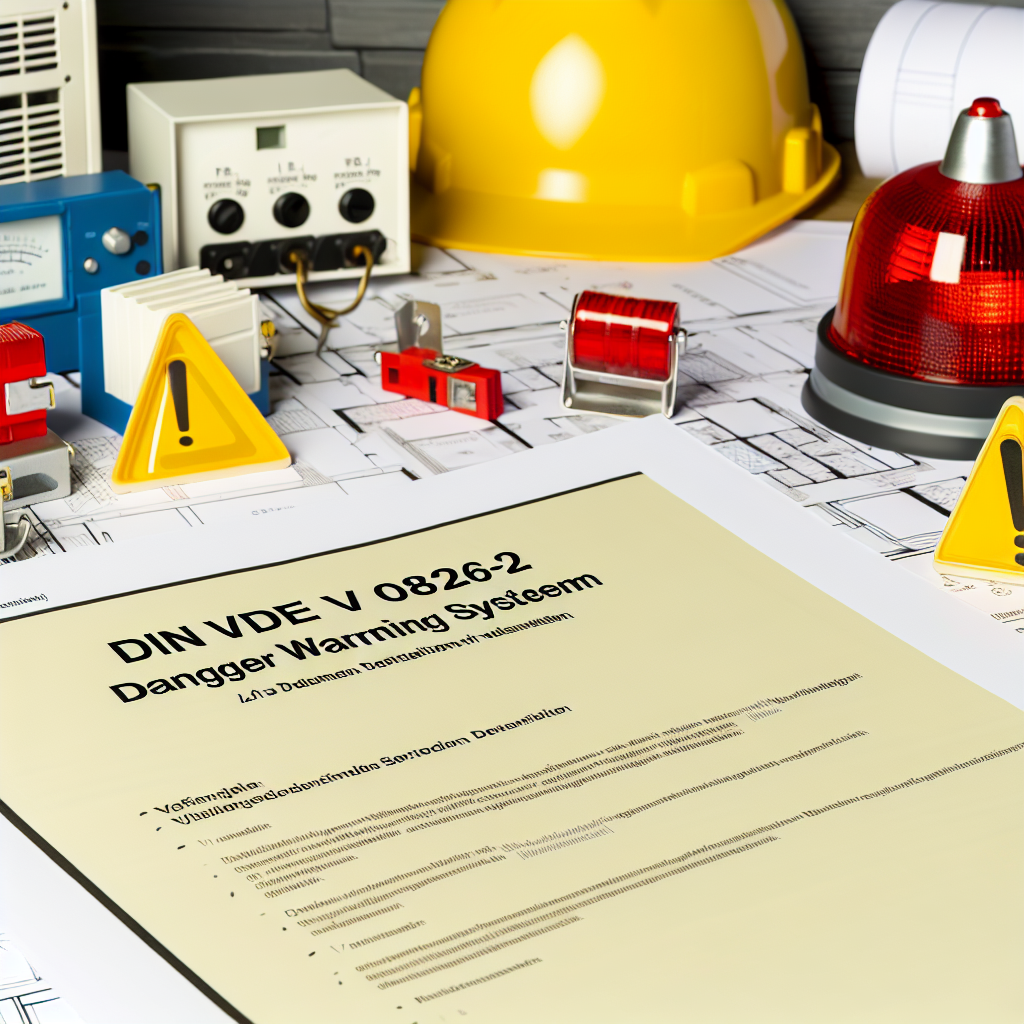
Die DIN VDE V 0826-2 ist eine wichtige Norm, die Anforderungen und Standards für Gefahrenwarnsysteme in Wohngebäuden festlegt. Sie ist ein wesentlicher Bestandteil der Sicherheitsvorschriften in Deutschland und spielt eine entscheidende Rolle bei der Gewährleistung der Sicherheit von Bewohnern in Wohngebäuden. In diesem Artikel werden wir die wichtigsten Aspekte dieser Norm und ihre Bedeutung für die Sicherheit in Wohngebäuden erörtern.
Diese Richtlinie wurde von der Deutschen Kommission Elektrotechnik Elektronik Informationstechnik im DIN und VDE (DKE) entwickelt und definiert die Anforderungen für Warnsysteme in Wohngebäuden. Sie umfasst Vorgaben zur Installation, Wartung und Überprüfung solcher Systeme. Die Vorschriften beziehen sich auf Systeme, die vor Gefahren wie Feuer, Rauch, Kohlenmonoxid und weiteren potenziellen Risiken in Wohnbereichen warnen sollen.
Warum ist die DIN VDE V 0826-2 wichtig?
Die DIN VDE V 0826-2 ist aus mehreren Gründen von entscheidender Bedeutung. Erstens hilft sie dabei, die Sicherheit von Bewohnern in Wohngebäuden zu gewährleisten. Durch die Festlegung von Standards für die Installation und Wartung von Gefahrenwarnsystemen trägt sie dazu bei, das Risiko von Unfällen und Verletzungen zu minimieren.
Zweitens bietet die Norm eine klare Anleitung für Installateure und Wartungspersonal. Sie stellt sicher, dass alle Gefahrenwarnsysteme korrekt installiert und gewartet werden, um eine optimale Leistung zu gewährleisten.
Beispiele für die Anwendung der DIN VDE V 0826-2
Ein anschauliches Beispiel für die Umsetzung von Sicherheitsrichtlinien ist die Installation von Rauchmeldern in Wohngebäuden. Diese Vorschriften verlangen, dass Rauchmelder in allen Schlafzimmern, Kinderzimmern und Fluren, die als Fluchtwege dienen, angebracht werden. Zudem wird festgelegt, wie diese Geräte montiert und gewartet werden sollten, um im Brandfall eine zuverlässige Funktion sicherzustellen.
Ein weiteres Beispiel ist die Installation von Kohlenmonoxidmeldern. Die DIN VDE V 0826-2 legt fest, dass diese Geräte in der Nähe von potenziellen Kohlenmonoxidquellen wie Heizungsanlagen und Kaminen installiert werden müssen. Sie gibt auch vor, wie diese Geräte installiert und gewartet werden müssen, um sicherzustellen, dass sie im Falle einer Kohlenmonoxidfreisetzung korrekt funktionieren.
Statistiken zur Unterstützung der DIN VDE V 0826-2
Statistiken unterstreichen die Bedeutung der DIN VDE V 0826-2. Laut dem Statistischen Bundesamt gab es in Deutschland im Jahr 2019 rund 200.000 Wohnungsbrände. Viele dieser Brände hätten durch ordnungsgemäß installierte und gewartete Gefahrenwarnsysteme verhindert oder ihre Auswirkungen minimiert werden können.
Ein Bericht des Bundesministeriums für Verkehr, Bau und Stadtentwicklung zeigte, dass Rauchmelder in 95 % der Fälle erfolgreich Alarm auslösen, sofern sie korrekt installiert und regelmäßig gewartet werden. Dies verdeutlicht, wie wichtig es ist, die geltenden Sicherheitsstandards bei der Installation und Wartung von Warnsystemen einzuhalten.
Ein entscheidender Faktor für die Sicherheit in Wohngebäuden
Zusammenfassend lässt sich sagen, dass die DIN VDE V 0826-2 eine entscheidende Rolle bei der Gewährleistung der Sicherheit in Wohngebäuden spielt. Sie legt klare Standards für die Installation und Wartung von Gefahrenwarnsystemen fest und trägt so dazu bei, das Risiko von Unfällen und Verletzungen zu minimieren. Durch die Einhaltung dieser Norm können Installateure, Wartungspersonal und Bewohner sicher sein, dass ihre Gebäude so sicher wie möglich sind.