
Cybersecurity galleries: Protection for art collections
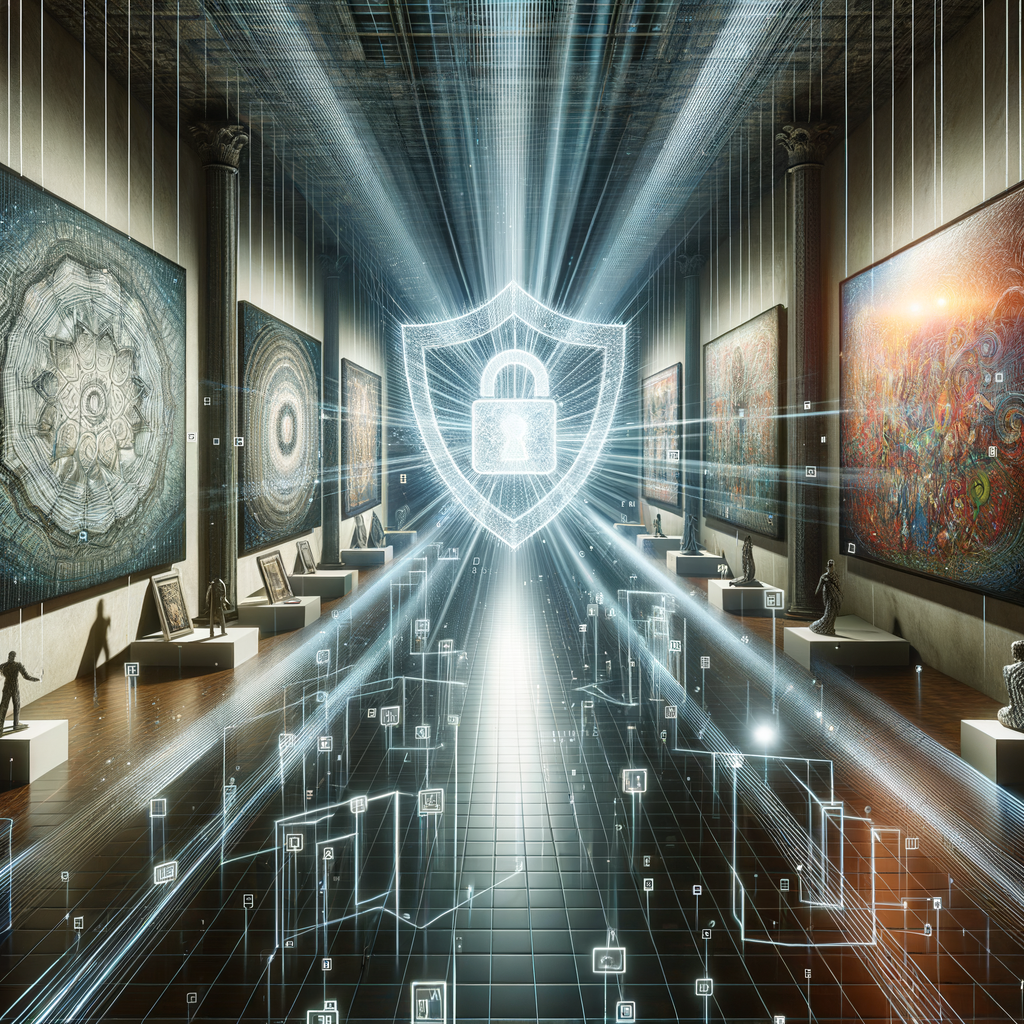
The world of art has changed considerably due to technological innovations. Galleries and museums are increasingly using digital platforms to present and manage their art collections. But this digital transformation also brings with it new threats. Cybersecurity for galleries is crucial to protect valuable art collections from digital attacks. Hackers targeting sensitive information or even tampering with artworks pose a real threat. Protecting this digital data should be a top priority for all art institutions.
Note on AI-generated content: The content of this blog is created with the help of advanced artificial intelligence. Although we strive to always provide you with accurate and useful information, questions or ambiguities may remain. In such cases, our experts will be happy to help you. Please do not hesitate to contact us using the details below. Our specialists are true experts in their field and will be happy to help you!

Contact options:

 Feedback form: Fill out the form
Email: vertrieb@graef-gruppe.de
Phone: +493069202294
We look forward to your queries and to helping you with any concerns you may have!
Why cyber security is important in galleries
Galleries not only store information on their artworks, but also data on buyers, sales and proof of origin. This data is extremely valuable and can cause considerable damage in the event of a cyberattack. For example, hackers could manipulate digitization systems or steal sensitive information, which could have legal and financial consequences.
Digital threats in the art world
Examples of threats are:
- Ransomware attacks: Hackers block access to important data and demand a ransom.
- Phishing e-mails: Deceptive e-mails aimed at stealing access data or other sensitive information.
- Malware: Malicious programs that infect systems and can lead to data manipulation or destruction.
Strategies for the protection of art collections
Implementing a robust security strategy is critical to protecting art assets from cyber threats. Here are some best practices:
- Regular security checks: Perform penetration tests and security audits to identify vulnerabilities.
- Staff training: Employee training on cyber security awareness and behavior.
- Use of firewalls and antivirus software: These digital protection layers minimize the risks considerably.
- Backup strategies: Regular backups to ensure that no data is permanently lost in the event of a cyberattack.
Success stories from the field
Some galleries have proactively prepared themselves against cyber threats. A well-known example is the Victoria and Albert Museum in London, which successfully protects its digital rights and collections through comprehensive security measures. Such measures include the encryption of sensitive data and increased monitoring of networks.
The importance of cooperation
Combating cybercrime in the art world requires cooperation between galleries, technology partners and security authorities. The exchange of knowledge and experience makes it possible to jointly develop and implement effective protective measures.
Given the ever-growing digital landscape, cybersecurity in galleries is not an option, but a necessary obligation. Through targeted measures and collaboration, galleries can ensure the integrity of their art holdings while building trust with artists and visitors. It is crucial that galleries act proactively and with foresight to securely protect their valuable collections in an ever-evolving digital world.