

 Deutsch
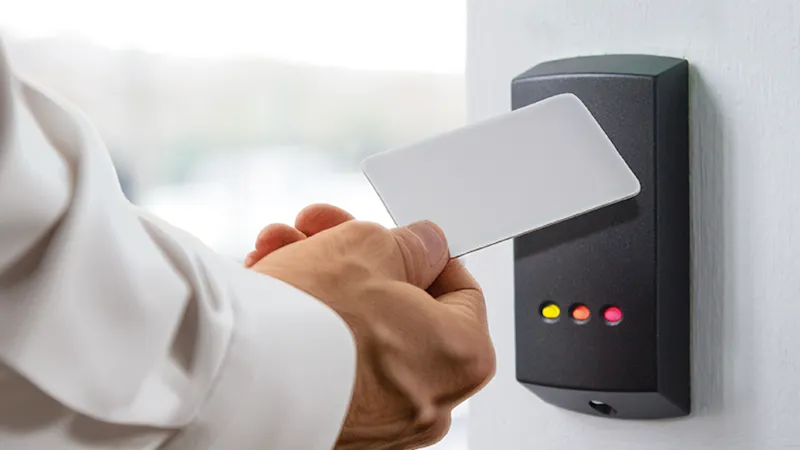
Security Council recommendations: protection against cloning of RFID tokens
Access control token security has continuously evolved due to technological advancements. One of the threats that endanger token security is the cloning of RFID tokens. In this article, we want to inform you about the risks of cloning and show you how you can protect yourself and your customers from them.
What is RFID cloning?
In RFID cloning, the information stored on an RFID token is copied onto another token, resulting in a duplicate with the same identification information. This is done either by intercepting the communication between an RFID token and a reader device or by using a special device to read the token information and write it to an empty token.
How is cloning performed?
A specially designed RFID token reader or an intelligent Android device is used to extract data from an existing RFID token. This data is then written onto an empty RFID chip or token, effectively creating a clone.
How can I reduce the chance that my tokens will be cloned?
One advantage of an electronic access control system is that the system administrator can modify the access permissions for compromised tokens. In the event of suspicion of cloning, the administrator can exclude the tokens from all access permissions. In areas with many users, such as residential buildings or holiday homes, an additional level of security should be considered.
Behavioral measures:
- Immediate reporting of lost or stolen cards.
- Store tokens in RFID-protected cases.
- Avoid the sharing or lending of tokens.
- Report suspicious activity.
Hardware and software options:
- Biometrics: Additional security through individual features such as fingerprints.
- Anti-Passback: Prevents the same token from being used multiple times.
- Automatic process: Access rights can be limited in time to prevent the use of compromised tokens.
- Double authentication: Additional PIN input next to the token.
- Mobile access data: Use of smartphones instead of physical tokens, as encrypted access data cannot be cloned.
Points to note:
- CSN (Card Serial Number) and Unique Identifier (UID) vs Secure Sector Reading: Each RFID chip has a unique serial number (CSN) that can be read by any ISO-compliant RFID reader. Sectors within an RFID token can be encrypted and read only with special keys.
IMPORTANT NOTE – Paxton Net2 MIFARE® Reader The Paxton Net2 MIFARE® reader reads the UID of the MIFARE® token and not the encrypted sectors. If you have concerns regarding the security of Paxton MIFARE® tokens, inform your customers about the risks and advice to provide the safest solutions.
Product and software updates:
- The covers of the P-series readers are updated and adorned with the Paxton logo.
- Paxton10 v4.5 SR11 offers updates to improve security and stability.
- Entry v3.1 SR2 offers improved usability for touch and standard panels.
These measures and information help you improve the security of your access control systems and minimize the risk of cloning RFID tokens.
How can I protect my RFID access card from being cloned?
Use RFID blocker cases or sleeves that prevent unauthorized card reading. Additionally, you should use cards with modern encryption like AES-128 to increase security.
Which RFID card types are particularly vulnerable to clone attacks?
Simpler RFID cards without encryption, such as older MIFARE Classic or 125 kHz tags, can be more easily cloned. Modern cards with dynamic authentication offer better protection.
How do RFID clones work and what devices are used for them?
RFID clones capture the signal transmission between the card and the reader and copy it to another medium. Devices such as Proxmark3 or Flipper Zero can be used for this purpose.
What measures increase the security of my RFID access system?
Integrate two-factor authentication, conduct regular security checks, and rely on cards with advanced encryption. Additionally, outdated systems should be updated.

Contributions from the practical experience of our installers, project managers and software developers. The group is led by founder Peter Gräf, a DGuSV-certified expert in security technology.
Our team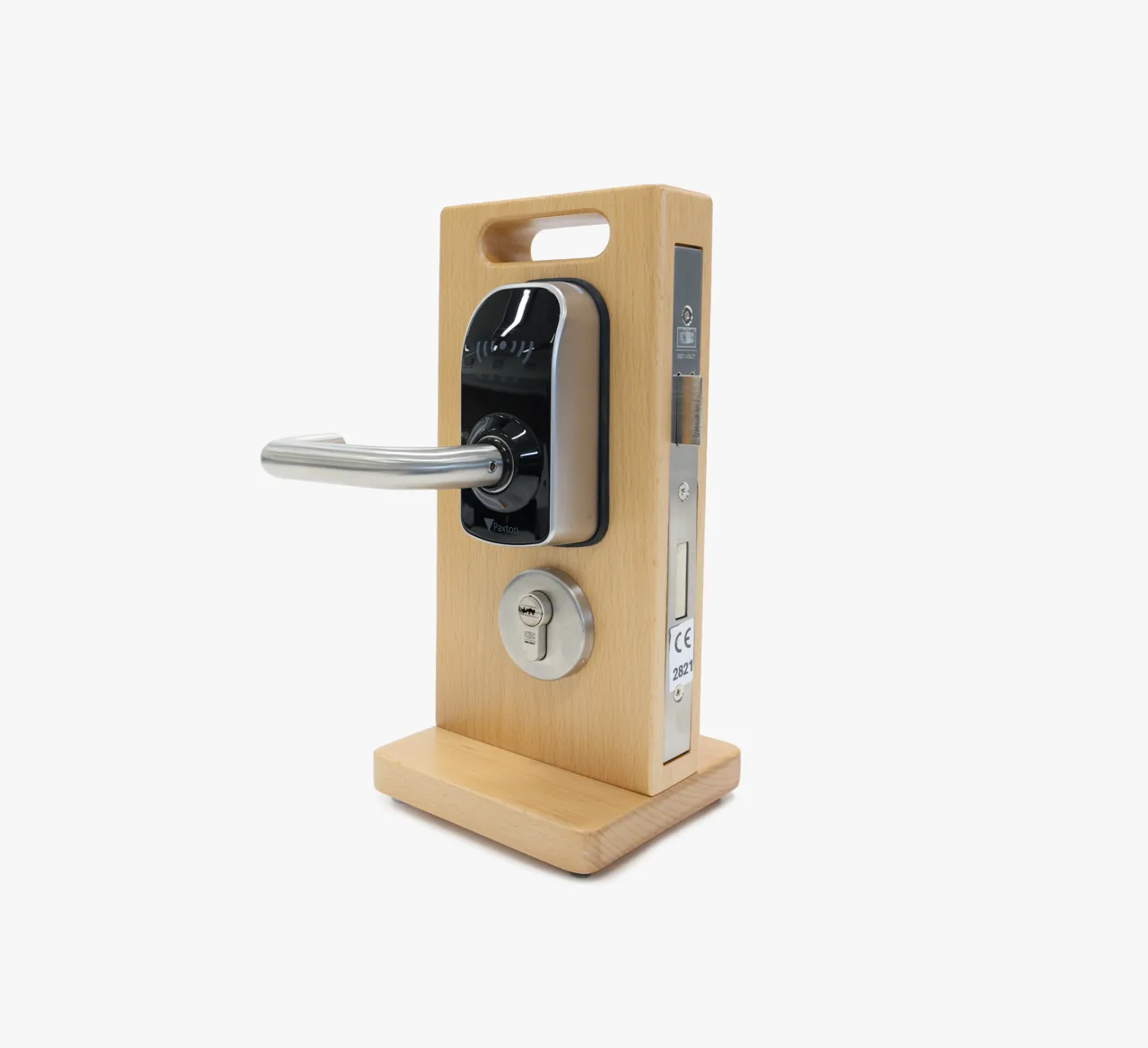
 German
 English