

 Deutsch
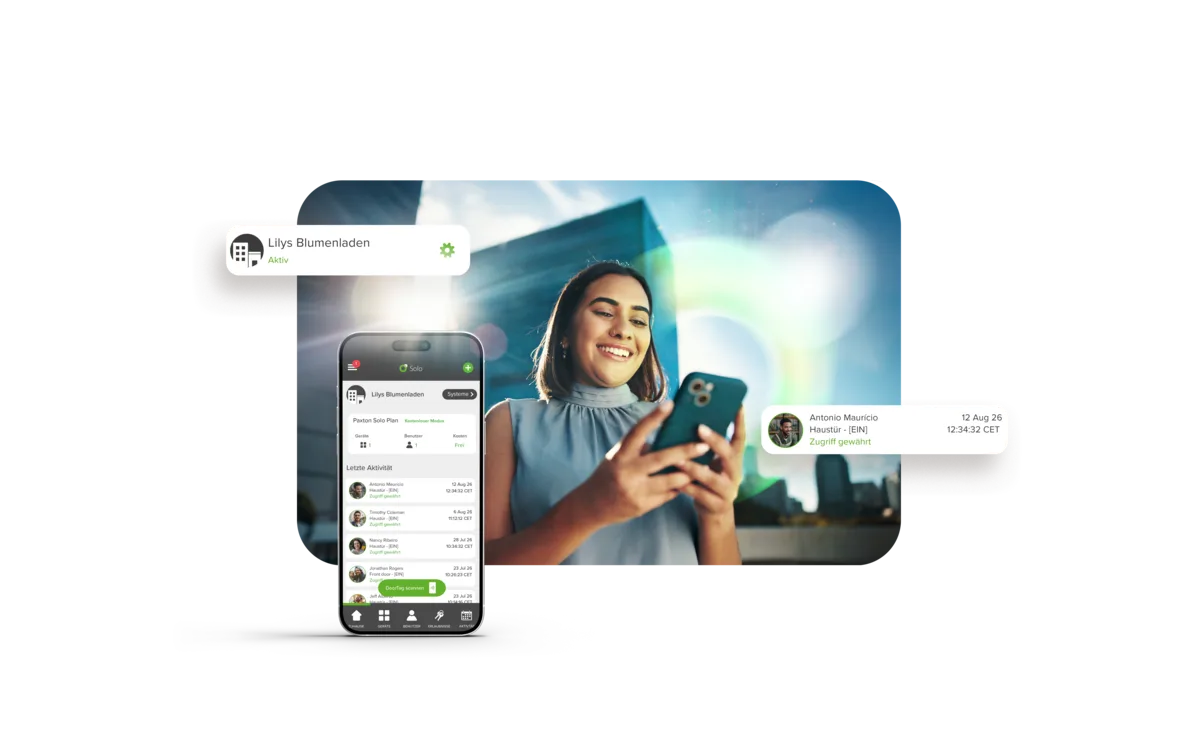
With Paxton Solo When a solution comes to market that deliberately reinterprets traditional access control, Solo takes a different approach: the system is built on a decentralized platform that is not tied to local servers, complex network infrastructure, or traditional identification methods. Smartphone-based, cloud-hosted And designed for the simplest possible commissioning. For many smaller to medium-sized applications, this results in a model that fills an interesting gap between a standalone solution and a connected access control system.
From the perspective of GRAEF Group Paxton Solo is particularly relevant because the requirements for modern access solutions are changing significantly. Many companies no longer require an elaborate IT infrastructure for simple doors, side locations, or smaller units. They are looking for solutions that can be quickly installed, centrally managed, and operated without high entry barriers. This is exactly where Solo comes in.
What makes Paxton Solo particularly technical
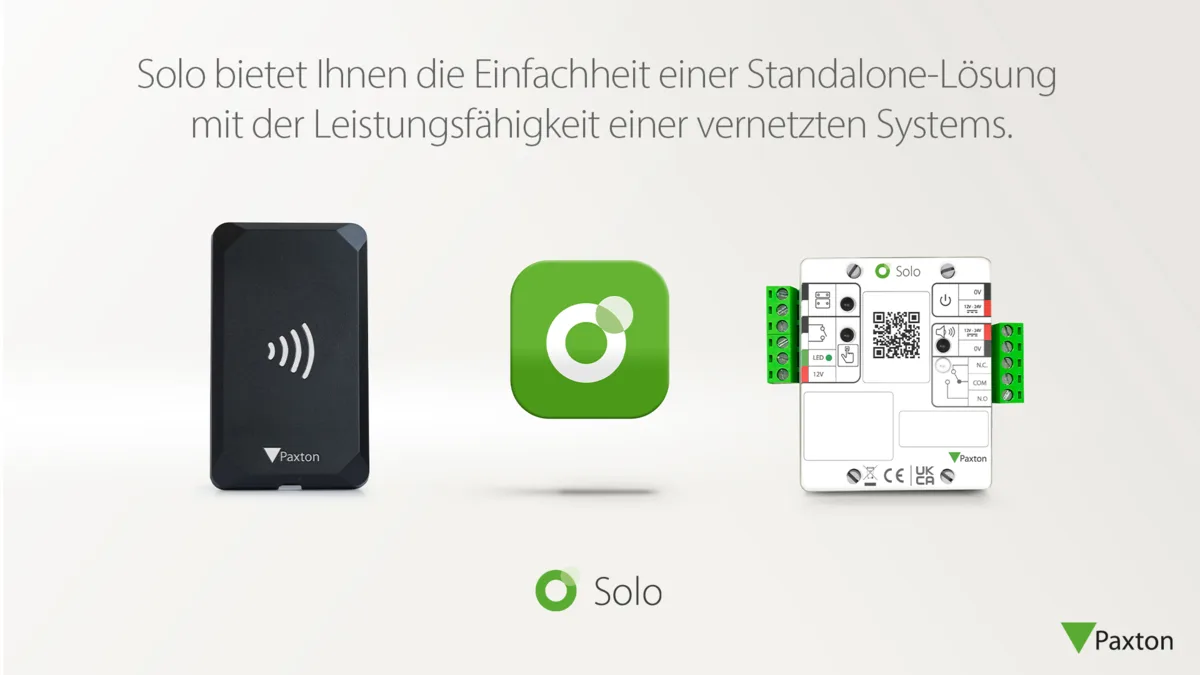
The central idea behind Paxton Solo consists in the fact that the Smartphone It plays a significantly more important role than in traditional systems. It serves not only for management purposes, but also becomes a key tool in everyday life. This reduces the need for physical cards, transponders, or separate administrative areas.
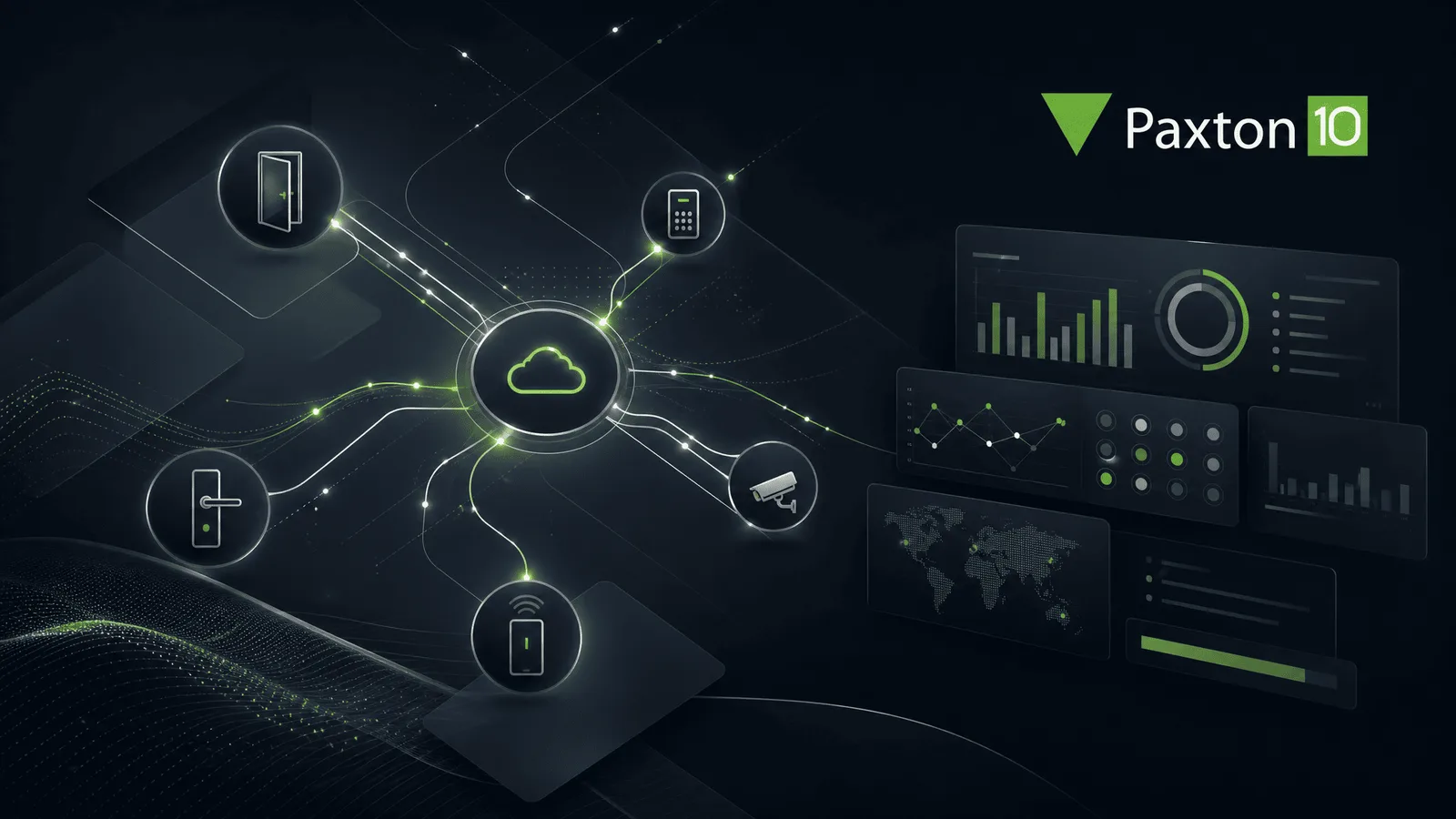
Cloud instead of local infrastructure
A key difference from many conventional solutions lies in the fact that no local data network is required. According to the provided documents, Solo is Infrastructure-free access control Designed. That means: No central PC is required on site, nor is a classic local server. For many objects, this is a significant advantage, because planning, installation, and ongoing operation can be significantly streamlined as a result.
Administration via app
The administration is carried out directly via the Paxton SoloApp. These include, among others, the Central administration, Event logging and Access management. This approach is particularly interesting for operators with multiple smaller locations or for companies that do not want to build their own complex access infrastructure. Changes to users or permissions can be modeled more quickly than with traditional, locally bound systems.
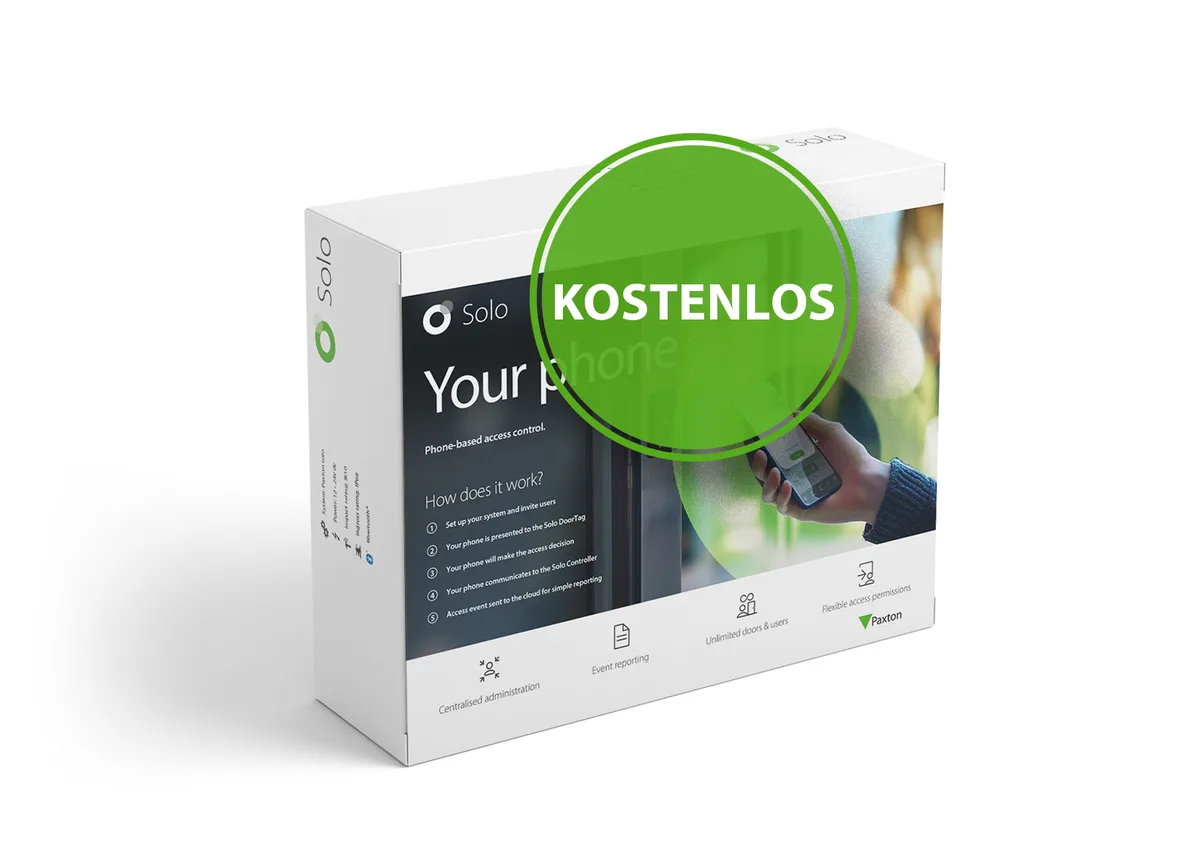
For which fields of application Paxton Solo is interesting
Not every project requires a large enterprise system from the outset. In many cases, it is initially about a few doors, clear processes, and a solution that makes economic sense. It is precisely in such scenarios that Paxton Solo to exploit his strengths.
Small locations and branches
Branches, offices, smaller business units or decentralized operating locations benefit especially from a system that can be implemented without extensive IT preparation. When neither an elaborate network nor a separate administrative computer is required on-site, Solo can represent a pragmatic and modern alternative.
Retrofitting existing buildings
Even in the case of existing systems, a simple system is often advantageous. Where additional wiring or the construction of new infrastructure would be disproportionate, a cloud-based approach offers significantly more flexibility. According to the flyer, this means that Solo can be deployed in a much more flexible way. no wiring except for the power supply Since it is necessary, the solution is particularly interesting for renovations and retrofits.
Multiple users and locations
The documents also describe Solo as Scalable system for multiple locations and numerous users. With this, the system is not only suitable for individual doors, but also for growing structures where having a central overview of various access points is important.
Cybersecurity as an important component of the concept
Another focus area of Paxton Solo This is the topic of security at the digital level. The provided materials emphasize that software, hardware, and cloud services have been developed to high security standards. Among other things, they mention: JASME Cyber Security Level 2, the orientation towards ETSI EN 303 645 as well UL IoT Cybersecurity Diamond.
This is an important point, because modern access control must today not only be mechanically and organizationally well thought out, but also digitally capable. As smartphones, the cloud, and management become increasingly intertwined, cybersecurity becomes an integral part of the system concept – not an afterthought.
Paxton Solo as a cost-effective approach for modern access control
In addition to technology and user convenience, cost-effectiveness also plays a central role. The documents explicitly describe Solo as Price game changer. This primarily means that companies gain access to modern access control without having to immediately embark on the typical complexity of larger systems.
This is particularly relevant for professional businesses and operators when projects need to be quickly implemented, simply expanded, and operated with minimal effort. Solo aims to address a sector where classic standalone systems often lack sufficient functionality, while larger access solutions would be too complex for the specific needs.
Classification by the GRAEF Group
The GRAEF Group observes products such as Paxton Solo With great interest, because they show where modern access control is heading: less local infrastructure, more mobile management, clearer processes and a stronger focus on digital security. For companies looking for a lean and modern solution, Solo can therefore be a very exciting approach.

Contributions from the practical experience of our installers, project managers and software developers. The group is led by founder Peter Gräf, a DGuSV-certified expert in security technology.
Our team
 German
 English