
Lichtwellenleiter zur Datenübertragung: Revolution in der Kommunikationstechnologie
Lichtwellenleiter: Die Revolution der Kommunikationstechnologie
Die moderne Kommunikationstechnologie hat sich in den letzten Jahrzehnten rasant entwickelt. Ein wesentlicher Treiber dieser Entwicklung ist der Einsatz von Lichtwellenleitern, auch bekannt als Glasfaserkabel. Diese Technologie hat die Art und Weise, wie Daten übertragen werden, grundlegend verändert und gilt als Rückgrat des Internets und der digitalen Kommunikation.
Was sind Lichtwellenleiter?
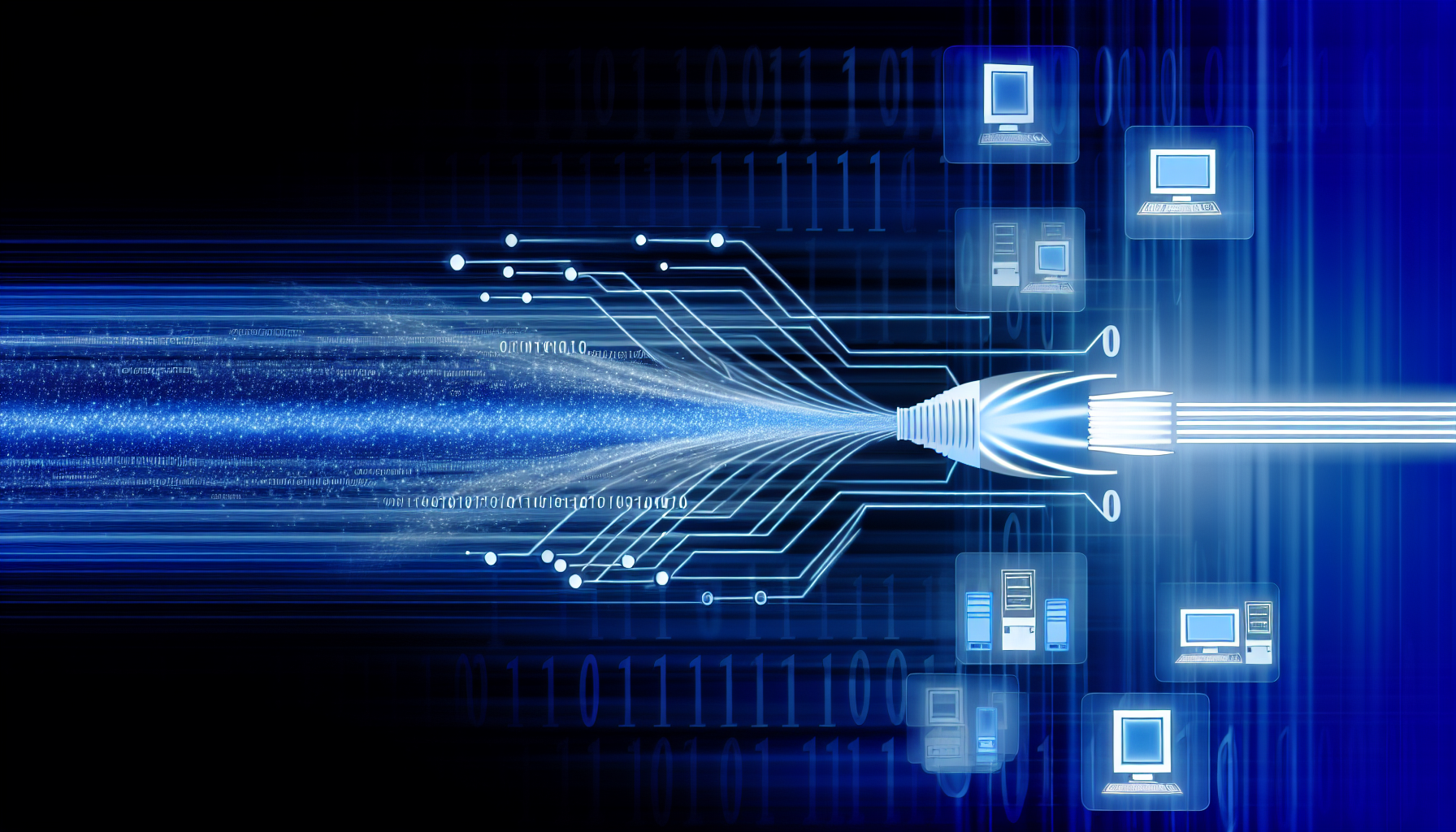
Lichtwellenleiter sind hauchdünne Fasern aus Glas oder Kunststoff, die dazu verwendet werden, Lichtsignale über weite Strecken zu übertragen. Diese Signale können Daten in Form von codierten Lichtimpulsen enthalten, die mit hoher Geschwindigkeit und über große Distanzen hinweg übertragen werden können. Die Vorteile von Lichtwellenleitern gegenüber herkömmlichen Kupferkabeln sind vielfältig:
- Hohe Übertragungsgeschwindigkeiten
- Enorme Bandbreitenkapazität
- Unempfindlichkeit gegenüber elektromagnetischen Störungen
- Minimale Signalverluste über große Entfernungen
Die Vorteile von Lichtwellenleitern in der Praxis
Die Überlegenheit von Lichtwellenleitern zeigt sich besonders in der Praxis. So ermöglichen sie beispielsweise das Streaming von hochauflösenden Videos ohne Verzögerungen oder das schnelle Herunterladen großer Datenmengen. In der Telemedizin erlauben sie die Übertragung von hochauflösenden Bildern und Patientendaten in Echtzeit, was für Diagnosen und Fernoperationen entscheidend sein kann. Auch im Bereich des Cloud Computings spielen Lichtwellenleiter eine zentrale Rolle, da sie die schnelle und sichere Datenübertragung zwischen Rechenzentren gewährleisten.
Die Herausforderungen bei der Implementierung
Die Zukunft der Lichtwellenleiter-Technologie
Die Zukunft der Lichtwellenleiter-Technologie sieht vielversprechend aus. Forscher arbeiten kontinuierlich daran, die Kapazitäten und Übertragungsgeschwindigkeiten weiter zu erhöhen. Neue Technologien wie die photonische Integration könnten die Effizienz und Leistungsfähigkeit von Lichtwellenleitern noch weiter steigern. Zudem wird die Entwicklung von flexibleren und robusteren Fasern die Verlegung und Anwendung in verschiedenen Umgebungen erleichtern.
Beispiele für den erfolgreichen Einsatz von Lichtwellenleitern
Ein Beispiel für den erfolgreichen Einsatz dieser Technologie ist das Projekt „Google Fiber“ in den USA, das Hochgeschwindigkeitsinternetzugang über Glasfaserkabel bietet. In Deutschland treibt die Deutsche Telekom den Ausbau des Glasfasernetzes voran, um eine flächendeckende Versorgung mit schnellem Internet zu gewährleisten. Auch im interkontinentalen Datenverkehr spielen diese Kabel eine entscheidende Rolle. Unterseekabel, die Kontinente verbinden, basieren auf dieser Technologie und ermöglichen so eine globale Vernetzung.
Lichtwellenleiter als Schlüsseltechnologie
Zusammenfassend lässt sich sagen, dass Lichtwellenleiter eine Schlüsseltechnologie in der modernen Kommunikationstechnologie darstellen. Sie ermöglichen eine schnelle, zuverlässige und sichere Datenübertragung, die für die digitale Wirtschaft und Gesellschaft unerlässlich ist. Trotz der Herausforderungen bei der Implementierung ist die Investition in Lichtwellenleiter eine Investition in die Zukunft der Kommunikation. Mit fortschreitender Entwicklung und zunehmender Verbreitung dieser Technologie können wir eine weitere Revolution in der Kommunikationstechnologie erwarten, die unsere Art zu leben und zu arbeiten nachhaltig verändern wird.
In welchen Bereichen werden Lichtwellenleiter eingesetzt?
Lichtwellenleiter finden Anwendung in verschiedenen Bereichen wie Internet-Backbones, Rechenzentren, Telekommunikationsnetzen, der Medizintechnik und der Industrieautomation. Sie sind essenziell für moderne Kommunikationsinfrastrukturen.
Wie weit können Daten über Lichtwellenleiter übertragen werden?
Je nach Fasertyp und Technik können Daten über Lichtwellenleiter über Entfernungen von mehreren hundert Kilometern ohne Zwischenverstärkung übertragen werden.
Sind Lichtwellenleiter abhörsicher?
Lichtwellenleiter sind schwerer abzuhören als Kupferkabel, da sie keine elektromagnetische Strahlung abgeben. Dennoch können spezielle Abhörmethoden eingesetzt werden, weshalb zusätzliche Sicherheitsmaßnahmen wie Verschlüsselung empfohlen werden.