

Bending radius of fiber optic cables: Important parameters for installation
Introduction to the bending radius for fiber optic cables
Optical fibers, also known as fiber optic cables, are the backbone of modern data transmission. They make it possible to transmit large amounts of data at high speed over long distances. When installing fiber optic cables, the bending radius is a crucial factor that can affect the performance and reliability of the network. A bending radius that is too small can lead to signal loss and even damage to the cable. In this article, we will discuss the important parameters for the installation of fiber optic cables and the importance of the bend radius.
What is the bending radius?
The bending radius is the smallest radius around which a fiber optic cable can be bent without affecting its performance or causing physical damage. This radius is usually specified by the manufacturer and should be strictly observed during installation.
Why is the bending radius so important?
Compliance with the recommended bending radius is important for several reasons:
- Avoiding attenuation losses: Excessive bending can lead to increased attenuation losses, which impairs the signal quality.
- Protection against cable breaks: Although glass fibers are flexible, they are also fragile. A bending radius that is too small can lead to microcracks or breaks.
- Ensuring longevity: compliance with the bending radius ensures a longer service life for the fiber optic cable.
Parameters for the installation of fiber optic cables
When installing fiber optic cables, various parameters must be taken into account to ensure optimum performance and reliability.
The minimum bending radius is the most important parameter during installation. It varies depending on the cable type and manufacturer, but is often around 10 times the outer diameter of the cable for singlemode fibers and around 15 times the outer diameter for multimode fibers.
The way in which fiber optic cables are laid also plays a role. The following techniques should be considered:
- Use gentle curves instead of sharp bends.
- Tension-free installation to avoid pressure on the fibers.
- Use of cable protection conduits and guides that respect the bending radius.
Environmental conditions can also influence the bending radius. Temperature fluctuations and humidity can change the material behavior of fiber optic cables and should therefore be taken into account during installation.
Examples and case studies
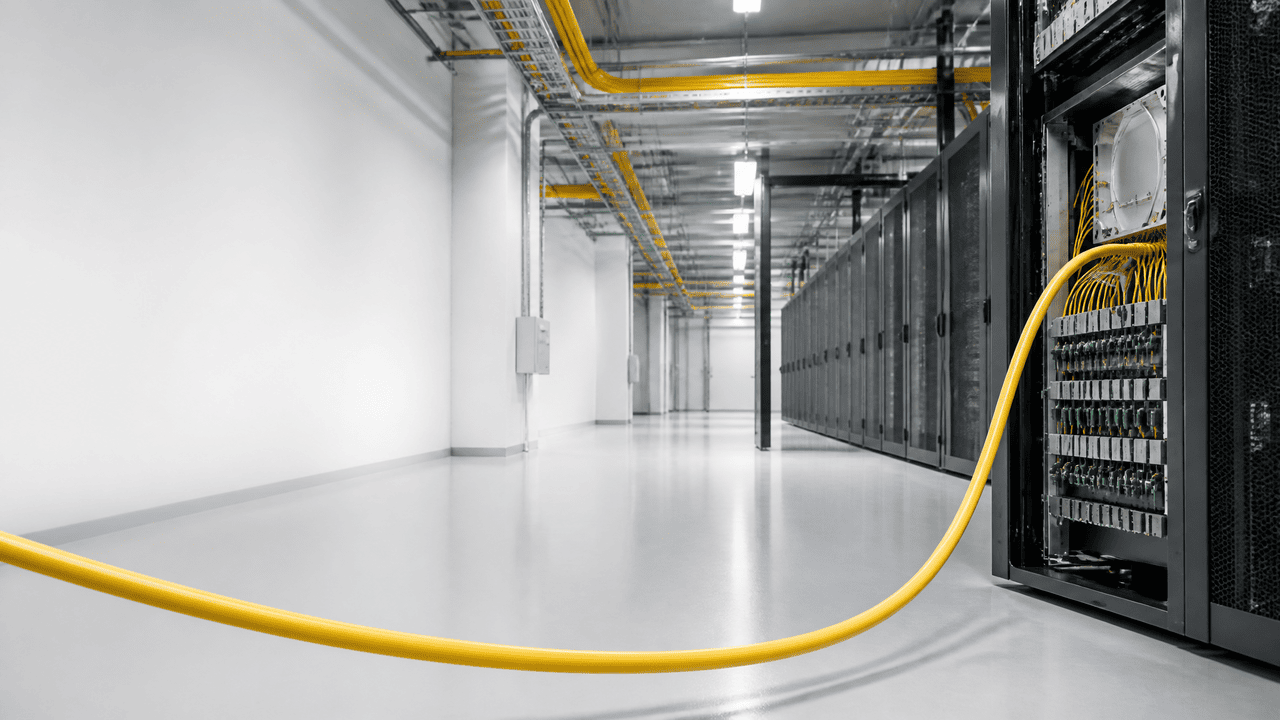
One example of the importance of the bending radius is the installation of fiber optic cables in data centers. Here, many cables often have to be laid in a confined space. Maintaining the bending radius is crucial in order to avoid signal loss and maintain the integrity of the network.
In a case study, it was found that ignoring the bend radius led to a 0.5 dB increase in attenuation per bend. This may seem small at first, but with a large number of bends it can have a significant effect on the overall performance.
Statistics and research results
Research shows that maintaining the bend radius can significantly extend the service life of fiber optic cables. Statistics show that correct installation can reduce the probability of cable failure by up to 80%.
The bending radius is a critical parameter in the installation of fiber optic cables. Following the manufacturer's specifications and careful planning are essential to ensure the performance and reliability of fiber optic networks. By considering the minimum bend radius, proper installation techniques and environmental conditions, installers can ensure that fiber optic cables reach their maximum efficiency and function over the long term.
How is the minimum bending radius for fiber optic cables determined?
The minimum bending radius depends on the cable type: for singlemode fibers it is about 10 times the outer diameter, for multimode fibers about 15 times. The manufacturer's specifications should always be taken into account.
Which standards apply to the bending radius of fiber optic cables?
According to DIN EN 50174-2, the smallest bending radius for fiber optic installation cables should be at least 50 mm or 10 times the cable diameter, whichever is greater.