
Fire alarm systems in industry: prevention and response
The importance of fire alarm systems in industry
Industrial plants and factories are complex environments where fire risks are increased by a variety of factors such as flammable materials, chemical processes and electrical equipment. Fire detection systems in industry therefore play a crucial role in ensuring the safety of employees and equipment, as well as preventing economic loss and environmental damage. These systems are designed to detect and report fires at an early stage and enable a rapid response to minimize damage.
Basics and functions of fire alarm systems
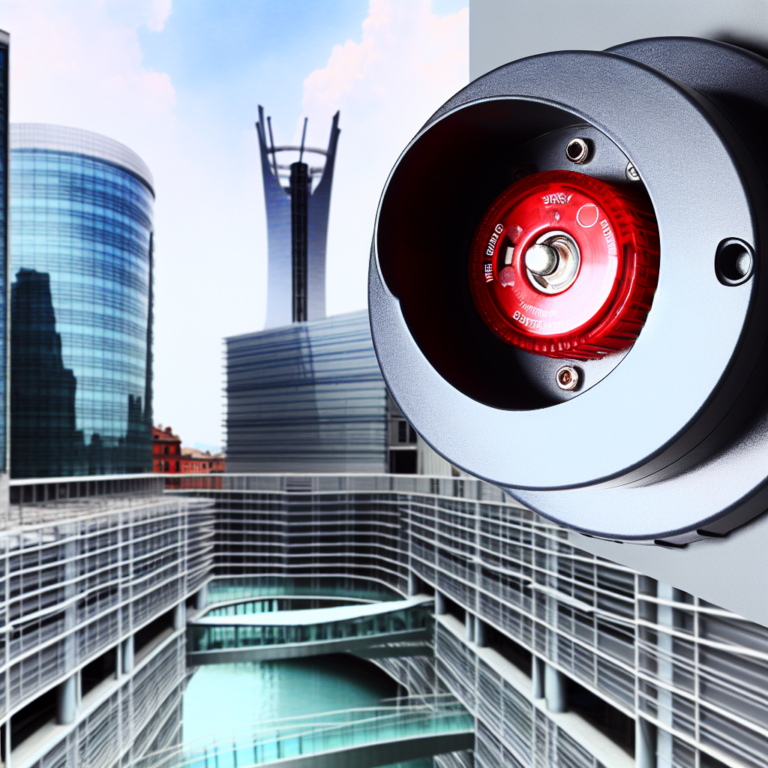
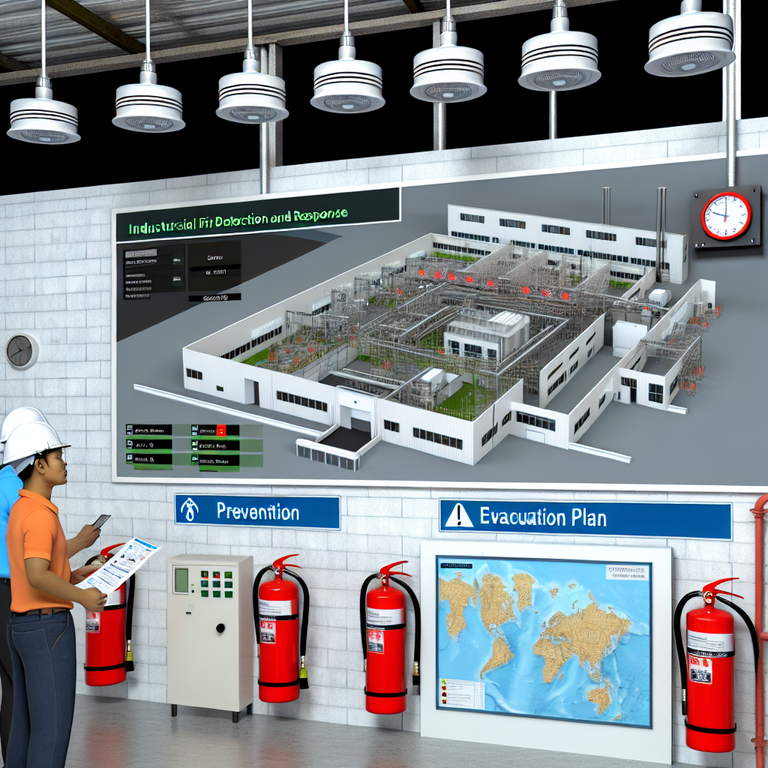
Fire alarm systems consist of various components that work together to detect and signal fires. The main components include fire detectors such as smoke and heat detectors, manual call points, alarm devices such as sirens and flashing lights and the fire alarm control panel, which serves as the control unit. Modern systems are often networked with automatic fire-fighting systems, such as sprinkler systems, and with the building management system in order to initiate appropriate measures in the event of a fire.
Preventive measures through fire alarm systems
Fire prevention is a key aspect of fire detection systems in industry. By detecting smoke or increased temperatures at an early stage, measures can be taken before a fire spreads. The following preventive functions should be emphasized:
- Early warning: The immediate alarm makes it possible to fight fires in the incipient phase.
- Process shutdown: In critical areas, systems can be configured to automatically shut down processes in the event of an alarm in order to prevent further fire development.
- Evacuation: Fire alarm systems initiate the evacuation of personnel to prevent injuries and fatalities.
Response to fires in industrial environments
In the event of a fire, a quick and effective response is crucial to limit damage. Fire alarm systems support the response in the following ways:
- Alerting the fire department: Modern systems can automatically alert the fire department, resulting in a faster response time.
- Information collection: The fire alarm control panel collects information about the location and type of fire, which is very important for the emergency services.
- Control of fire protection systems: Integration into fire protection systems makes it possible to activate fire extinguishing systems in a targeted manner.
Examples and case studies
One example of the effectiveness of fire alarm systems in industry is the incident in a chemical plant in which a fire was triggered by a technical defect. Thanks to the installed fire alarm system, the fire was detected at an early stage and automatic extinguishing was initiated, preventing major damage.
In another case study, the rapid response of the fire alarm system prevented the fire from spreading to neighboring production areas. The evacuation of personnel was initiated in good time and the fire department was on site within a few minutes to fight the fire.
Statistics and research results
Statistics show that the introduction of fire alarm systems in industry has significantly reduced the number of major fires. Research confirms that the combination of automatic detection and alarming shortens the response time and thus reduces the likelihood of injuries and major property damage.
Conclusion
Fire alarm systems in industry are an indispensable part of modern fire protection. Not only do they provide early warning and enable a rapid response, they also help to increase employee safety and minimize economic and ecological damage. Investing in a high-quality fire alarm system is therefore an investment in the future security of any industrial company.