
Unsere grüne Glasfaser – Nachhaltigkeit trifft Technologie
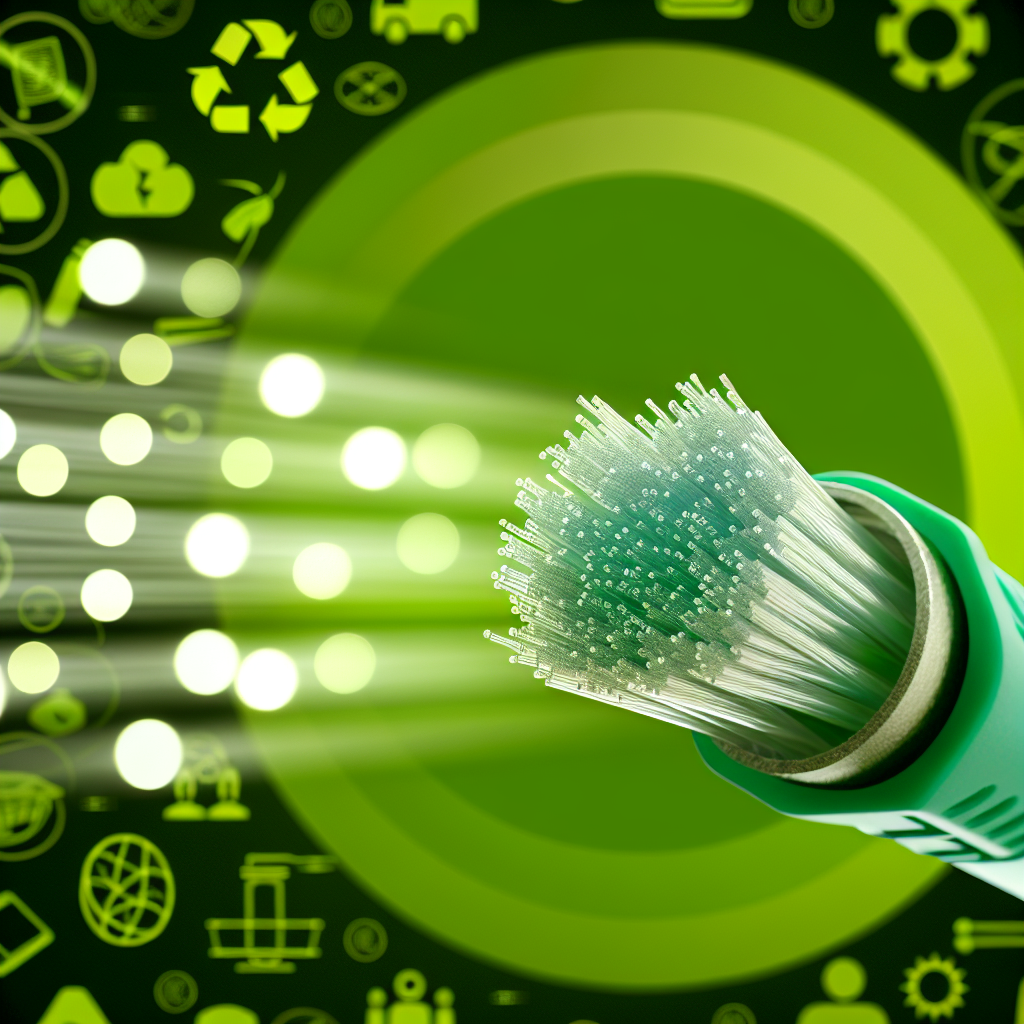
Entdecken Sie die Zukunft der Konnektivität mit unserer grünen Glasfaser – wo Nachhaltigkeit auf fortschrittliche Technologie trifft. Klicken Sie hier, um mehr zu erfahren und Teil der Veränderung zu werden: Unsere grüne Glasfaser.
Einleitung
In einer Welt, die zunehmend von digitaler Vernetzung und einem wachsenden Bewusstsein für Umweltfragen geprägt ist, spielt die Nachhaltigkeit in der Technologie eine immer wichtigere Rolle. Unsere grüne Fiber optic ist ein Paradebeispiel dafür, wie fortschrittliche Technologie und ökologische Verantwortung Hand in Hand gehen können. Glasfaserkabel sind das Rückgrat der modernen Datenübertragung und ermöglichen schnelle Internetverbindungen, die für Wirtschaft, Bildung und Privathaushalte unerlässlich sind. Doch wie steht es um die Umweltverträglichkeit dieser Technologie?
Was ist unsere grüne Glasfaser?
Unsere grüne Fiber optic bezeichnet ein Konzept, bei dem die Herstellung, Installation und Nutzung von Glasfaserkabeln unter strengen ökologischen Gesichtspunkten erfolgt. Dies umfasst den gesamten Lebenszyklus der Fiber optic – von der Produktion der Rohstoffe über die Verlegung der Kabel bis hin zum Recycling am Ende ihrer Lebensdauer.
Produktion und Materialien
Die Herstellung von Glasfaserkabeln erfordert Quarzsand, der in einem energieintensiven Prozess zu reinem Glas verarbeitet wird. Um die Umweltbelastung zu minimieren, setzen Hersteller auf erneuerbare Energiequellen und verbessern kontinuierlich die Effizienz der Produktionsprozesse. Zudem wird an der Entwicklung von umweltfreundlicheren Materialien für die Kabelummantelung gearbeitet, um den Einsatz von Kunststoffen zu reduzieren.
Verlegung und Betrieb
Auch bei der Verlegung der Glasfaserkabel wird auf Nachhaltigkeit geachtet. Innovative Verlegetechniken, wie das Trenching, reduzieren die Eingriffe in die Natur und den Verbrauch von Ressourcen. Im Betrieb zeichnen sich Glasfaserkabel durch eine hohe Energieeffizienz aus, da sie im Vergleich zu Kupferkabeln weniger Energie für die Datenübertragung benötigen.
Recycling und Lebenszyklus
Am Ende ihrer Nutzungsdauer können Glasfaserkabel recycelt werden. Die Glasfasern selbst sind aus Quarzglas, einem anorganischen Material, das sich problemlos wiederverwerten lässt. Die Herausforderung besteht darin, die Kabel so zu konzipieren, dass sie leicht demontiert und die Materialien effektiv getrennt werden können.
Nachhaltigkeit in der Praxis
Verschiedene Projekte und Unternehmen haben bereits begonnen, unsere grüne Fiber optic in die Praxis umzusetzen. Ein Beispiel ist das Projekt „Green Fiber“ in Deutschland, das sich zum Ziel gesetzt hat, den Ausbau der Glasfasernetze nachhaltig zu gestalten. Hierbei werden sowohl ökologische als auch soziale Aspekte berücksichtigt, um einen positiven Beitrag für die Gesellschaft und die Umwelt zu leisten.
- Verwendung von Ökostrom bei der Produktion
- Minimierung des Bodeneingriffs bei der Verlegung
- Recyclingprogramme für ausgediente Kabel
Die Vorteile von grüner Glasfaser
Die Vorteile von unserer grünen Fiber optic sind vielfältig und reichen von ökologischen bis zu wirtschaftlichen Aspekten:
- Reduzierung des CO2-Fußabdrucks: Durch den Einsatz von erneuerbaren Energien und effizienten Produktionsmethoden wird der CO2-Ausstoß minimiert.
- Energieeffizienz: Glasfaserkabel benötigen weniger Energie für die Datenübertragung, was langfristig zu Energieeinsparungen führt.
- Ressourcenschonung: Innovative Verlegetechniken und das Potenzial zum Recycling schonen natürliche Ressourcen.
- Zukunftssicherheit: Glasfaserkabel sind aufgrund ihrer hohen Übertragungsgeschwindigkeiten und Zuverlässigkeit eine zukunftssichere Investition.
Ausblick und Herausforderungen
Die Zukunft sieht für unsere grüne Fiber optic vielversprechend aus, doch es gibt auch Herausforderungen. Die Nachfrage nach schnellem Internet wächst stetig, und der Ausbau der Netze muss mit der Nachhaltigkeit Schritt halten. Es bedarf weiterer Forschung und Innovation, um die Produktion und Verlegung von Glasfaserkabeln noch umweltfreundlicher zu gestalten. Zudem ist es wichtig, das Bewusstsein für die Bedeutung von Nachhaltigkeit in der Technologie zu schärfen und sowohl Unternehmen als auch Verbraucher für grüne Alternativen zu sensibilisieren.
Fazit
Unsere grüne Fiber optic ist ein Beispiel dafür, wie Technologie und Nachhaltigkeit zusammenwachsen können, um eine umweltfreundliche Zukunft zu gestalten. Durch kontinuierliche Verbesserungen und das Engagement von Wirtschaft, Politik und Gesellschaft kann die Glasfasertechnologie einen wesentlichen Beitrag zum Umweltschutz leisten, ohne dabei auf die Vorteile einer hochleistungsfähigen digitalen Infrastruktur zu verzichten.