

 Deutsch
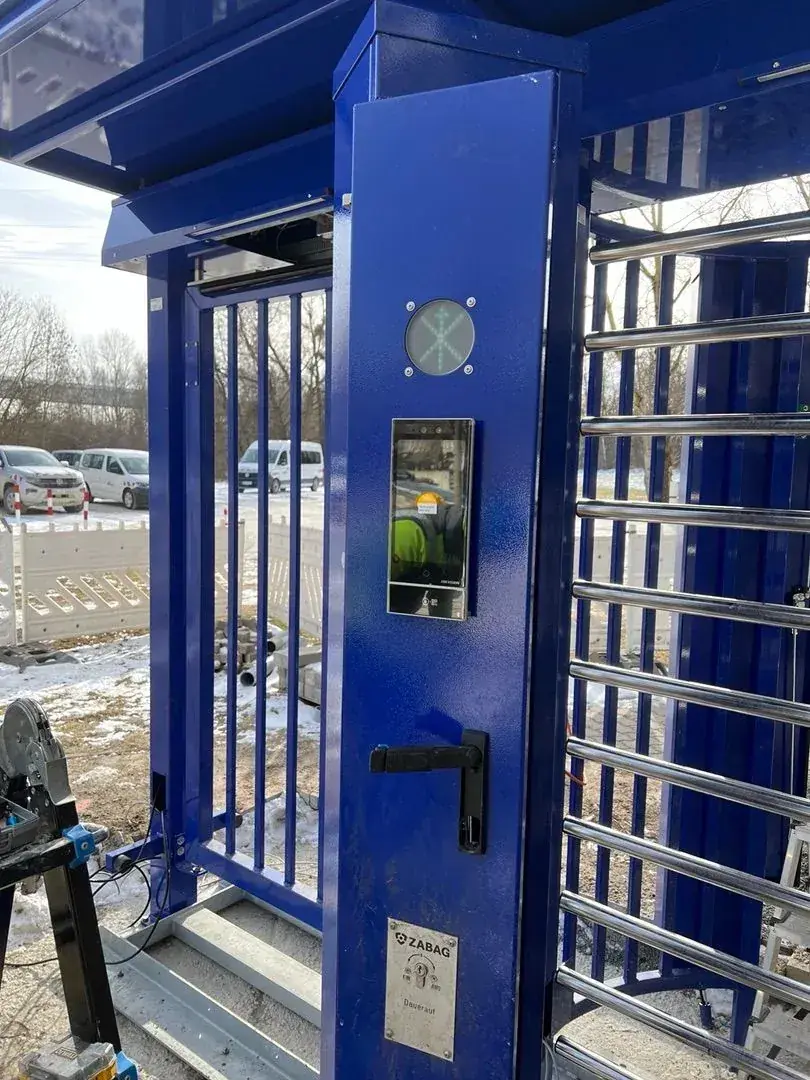
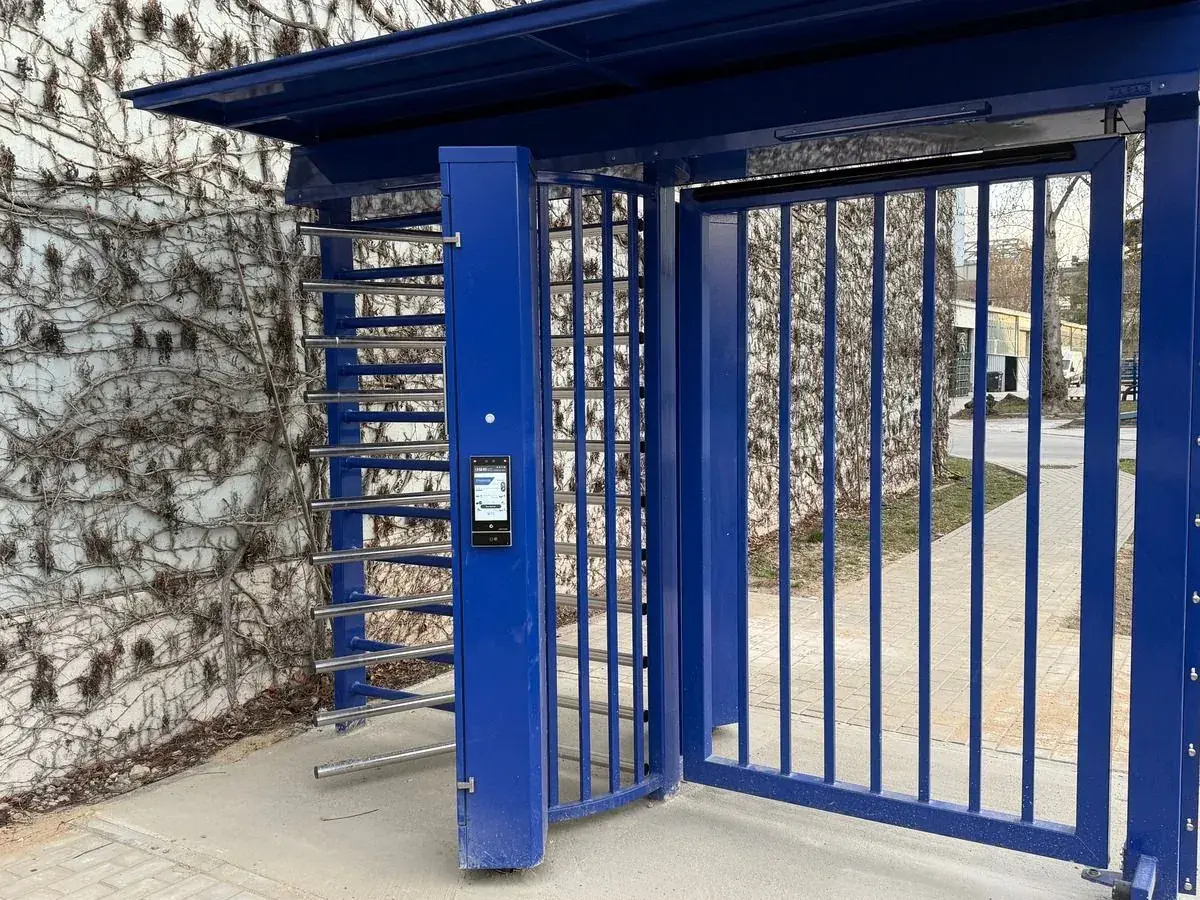
In industrial and manufacturing environments, access control is more than just „open the door, close the door“. It involves comprehensible access processes, clear responsibilities, defined safety zones, and the ability to control access quickly and reliably, even in the presence of high levels of people flow. GRAEF Group has for CEMEX implemented an access solution that combines several components: Hikvision access control via RFID, Facial recognition as well ZABAG rotary switches as a robust physical barrier at the entry point.
This creates a system that combines digital identification (RFID or biometric) with a mechanically clear route guidance. This is particularly useful where factory entrances, gate areas, or defined access points need to be continuously controlled and a reliable separation between „authorized“ and „unauthorized“ is required.
System architecture: Digital identification meets physical access control
Modern access control consists of two levels: identity verification and physical enforcement. In the project at CEMEX, these levels were consistently connected with each other.
RFID access as an established standard in factory operations
RFID remains the most pragmatic way for many companies to manage access quickly. Passports can be issued on a role-based basis, locked down and time-limited in case of loss. It is particularly important for operations that processes can be clearly documented: employee badges, temporary permissions for external companies, or visitor badges with defined time windows.
In conjunction with turnstiles, RFID also becomes a tool that not only „allows“ access, but also channels it physically in a clean manner: A clearance means exactly one controlled passage – auditable and measurable.
Facial recognition for fast, contactless transactions
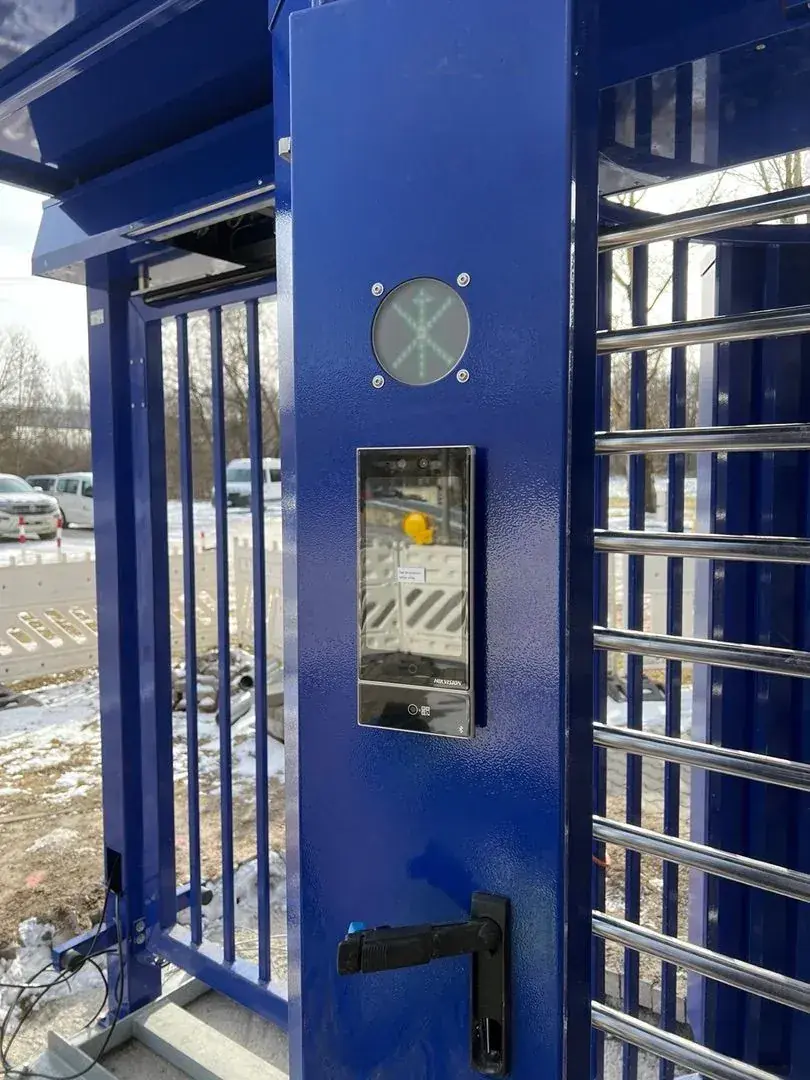
Additionally, Facial recognition Used to enable access at suitable points without contact. In industrial environments, this can be beneficial when gloves, tools, or workflows make it impractical to access the card. At the same time, a correctly configured biometric authentication increases security because it ties the identity more closely to the person than a passport alone.
What is crucial for the practice here is not „biometrics for the sake of biometrics“, but a meaningful integration: clear rules, defined user groups, coordinated release processes, and the right technical parameters so that recognition quality and throughput match everyday life.
ZABAG rotary turnstiles as a robust access line
With ZABAG turnstiles A physical access barrier has been integrated that controls entry while simultaneously structuring visitor and employee flows. Turnstiles are particularly useful where:
- a defined main entrance that concentrates access,
- the premises are to be consistently protected against unauthorized entries,
- clear separation of inlet and outlet is necessary,
- high mechanical robustness is required.
The combination with electronic access control (RFID/Face) creates a clearly controlled transition between the public area and the security zone.
Assembly and commissioning: What matters in industrial access control
The quality of an access solution is determined not only by the device itself, but also by its implementation: assembly points, cable routing, network stability, interfaces, and a clean test run are the foundation for trouble-free operation.
Mechanical assembly and secure wiring
Switches must be mechanically properly anchored and capable of withstanding daily operation. In parallel, structured wiring of access terminals, controllers, and power supplies is essential: industrial sites are often demanding in terms of cable lengths, electromagnetic interference (EMI), and environmental conditions. Clean installation reduces subsequent failures and facilitates maintenance.
Configuration of permissions and zones
For a system to function in everyday life, permissions must be logically structured: Who is allowed to do what when—and what happens in special cases? Typical points are time profiles, roles (employees, visitors, service providers), zone logic, and defined processes for blocking and reactivation. In the case of mixed systems (RFID + Face), it is also important that the methods are managed consistently and that the operation remains clear to the facility staff.
Tests, compliance and operational stability
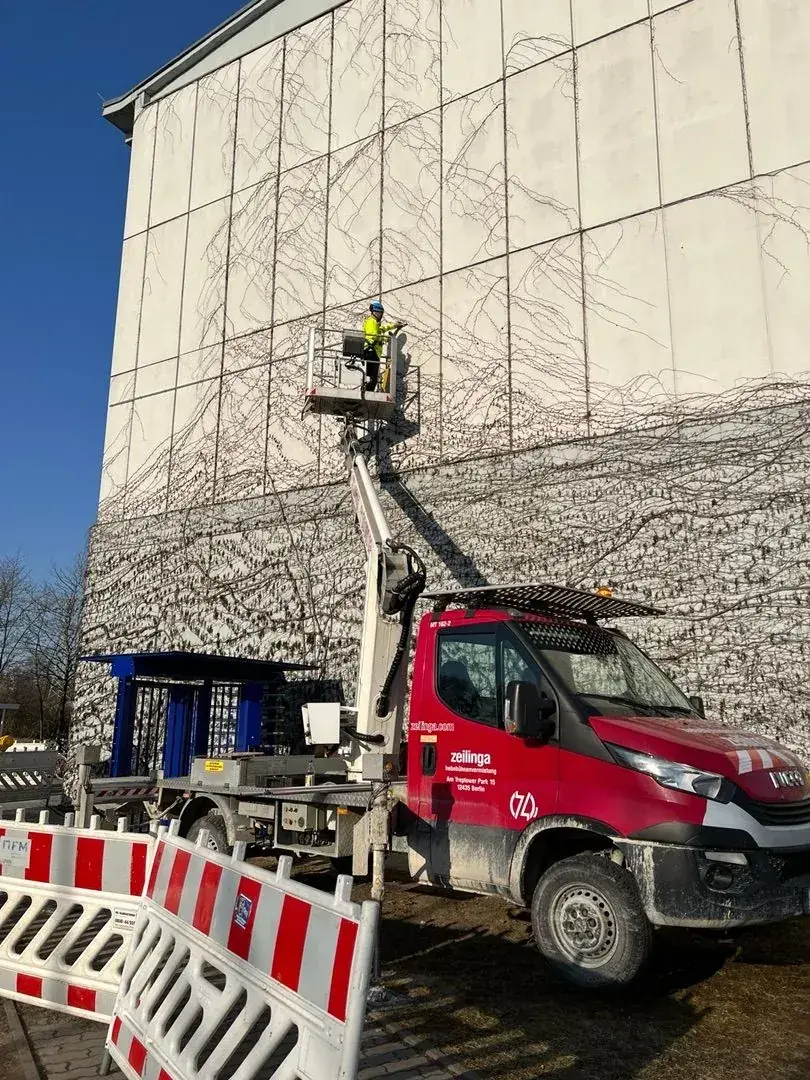
Commissioning means more than just having power available. A professional rollout includes functional and stress tests: throughput at the switchyard, behavior in the event of network disruption, logging, alarm conditions, emergency releases, and defined procedures for disruptions. Especially in factory operations, it is crucial that access does not become a bottleneck – and that safety requirements are still met.
Benefits for CEMEX: Security, accountability, and efficient processes
Through the combination of Hikvision access control, RFID, Facial recognition and ZABAG turnstiles An access concept is created that is both secure and practical. It supports clear workflows at the entrance gate, reduces uncontrolled access and creates transparency about who is allowed to move in which areas at what time. At the same time, it enables a regulated flow of people – an important factor when shifts, supplier traffic or visitor flows need to be organized reliably.
Implementation by the GRAEF Group: Installation, assembly and furnishing
The GRAEF Group takes over the complete responsibility for comparable projects Installation, assembly and configuration from access control systems – from the technical planning through the mechanical integration of the turnstiles to the software-based setup of RFID media and facial recognition. In this context, the key is always ensuring a smooth integration with the operations within the facility: an access control solution is then successful when it increases security while at the same time not slowing down operations but rather supporting them in a structured manner.
Contributions from the practical experience of our installers, project managers and software developers. The group is led by founder Peter Gräf, a DGuSV-certified expert in security technology.
Our team


 German
 English