

 Deutsch
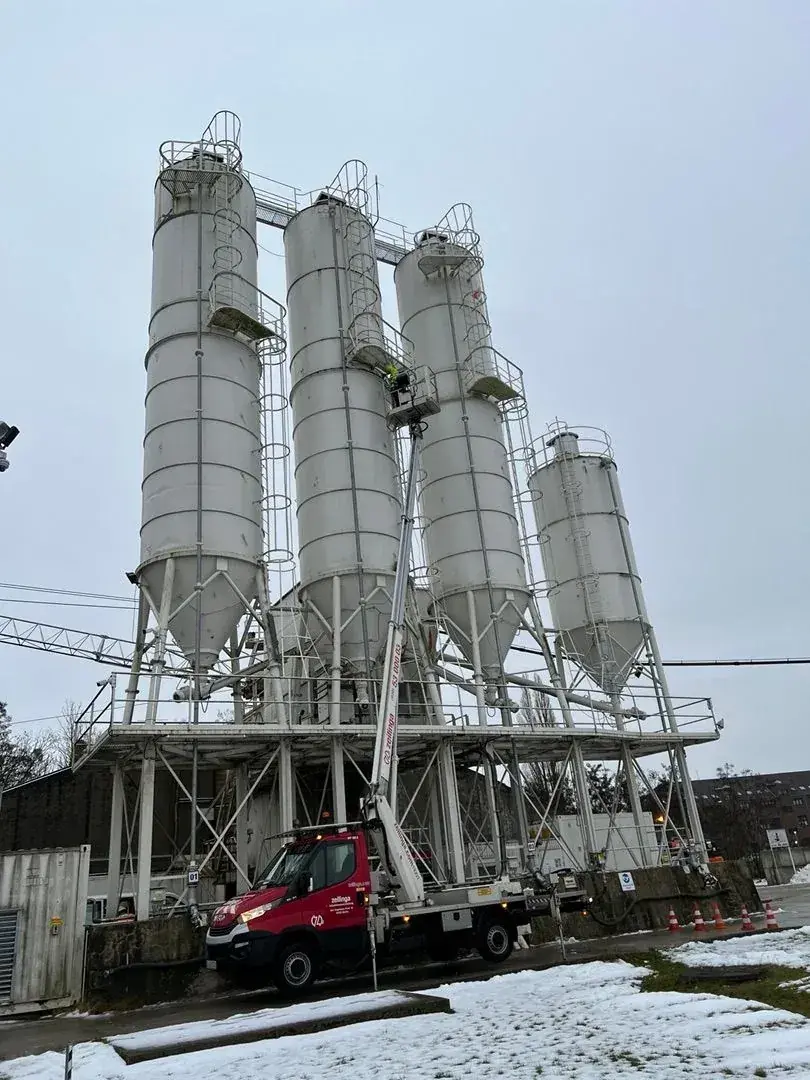
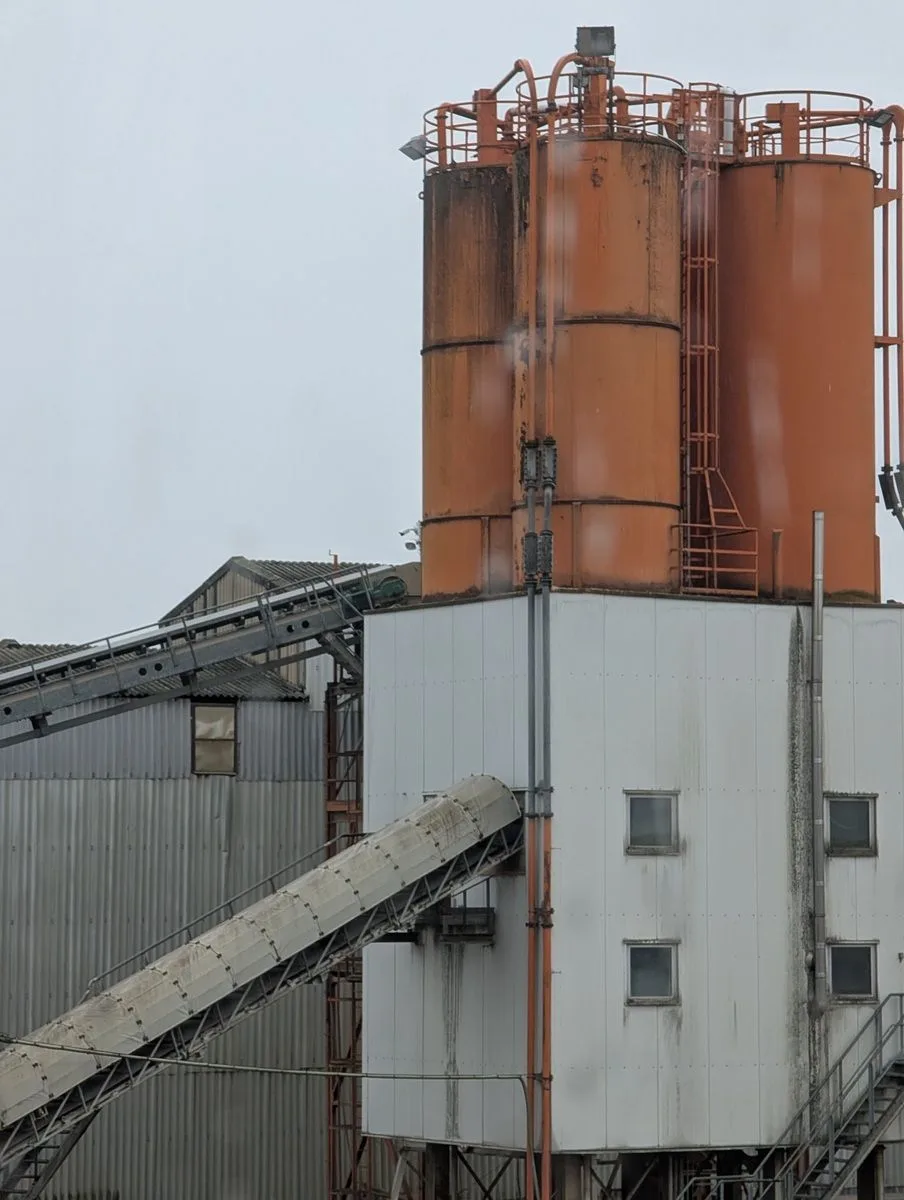
In industrial environments such as a Transport concrete work high levels of dust, changing weather conditions (depending on the installation location), heavy mechanical stress and demanding operating procedures all come together. At the same time, there is often a need to ensure that critical areas are not only visually but also acoustically temperature-based to monitor – for example to detect overheating, hot spots or unusual heat developments early on.
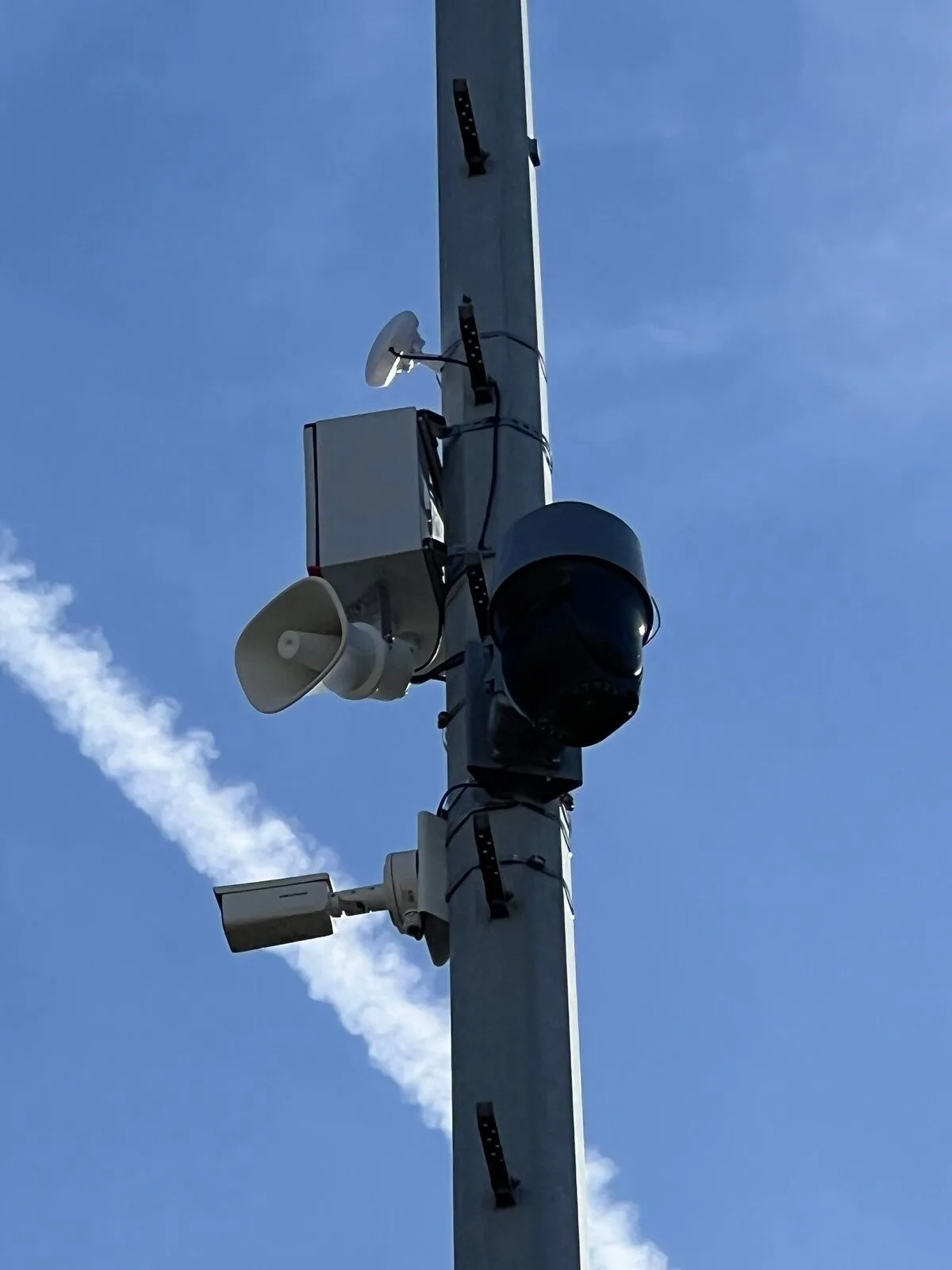
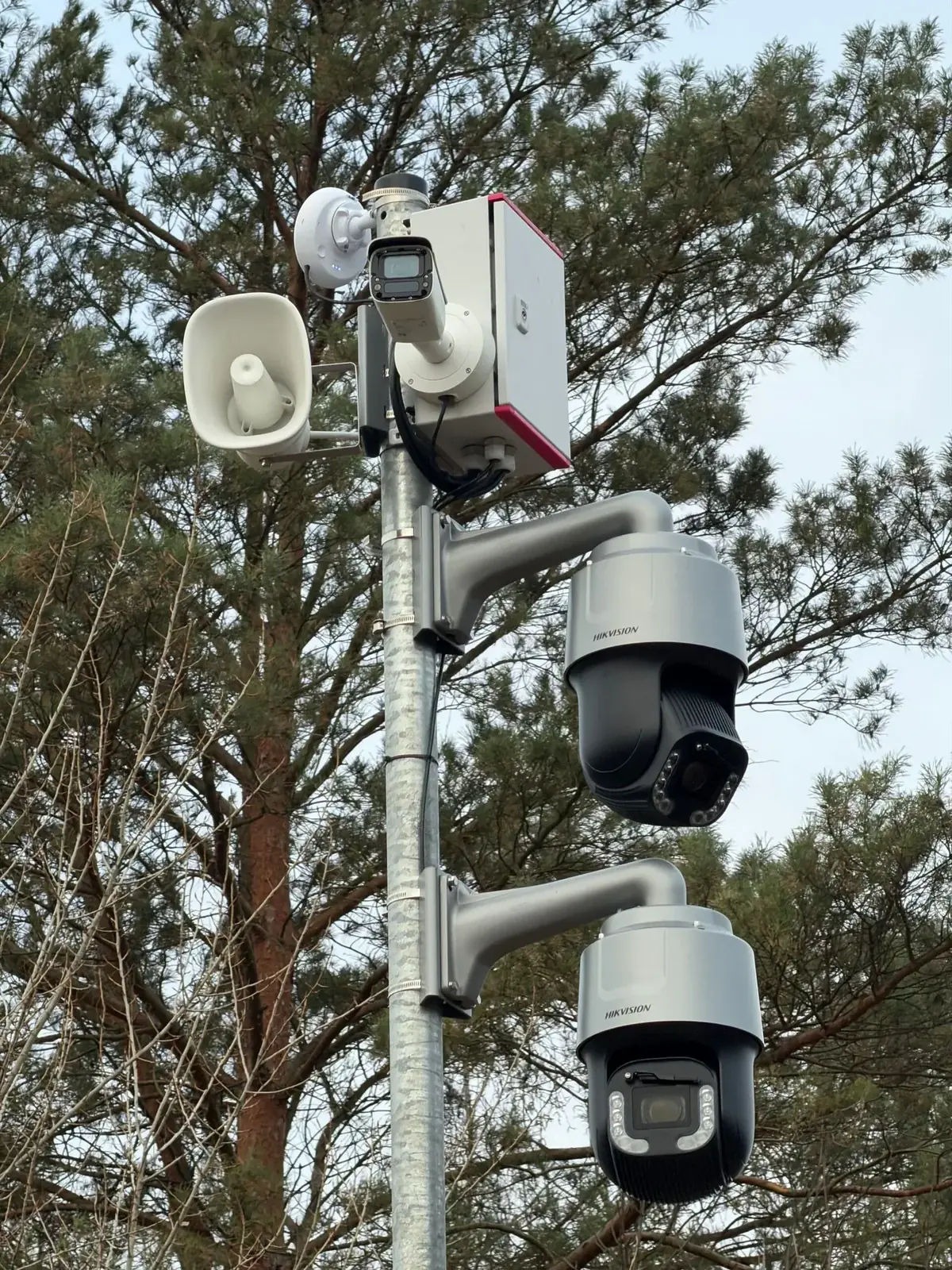
The GRAEF Group has in this context a IP thermal camera as Hikvision Thermal Network Camera Installed and put into operation. The goal of the measure: robust, network-capable thermal imaging surveillance that can be integrated into existing security and operational processes and provides clear alarm capabilities.
Why thermal imaging technology is useful in plant operations
Classic video cameras provide visible images – but they do not show whether an object is abnormally heated. This is where thermal imaging comes in: A thermal network camera detects temperature differences and can therefore provide clues about critical conditions before they are visually clearly discernible.
Early detection instead of reaction in the event of an incident
In many industrial plants, the earlier a thermal event is detected, the better it is to prevent damage, downtime, and associated costs. Thermal imaging technology can help in this regard.,
- to identify unusual temperature increases early,
- defined temperature limits to monitor,
- and to automatically alert in the event of deviations.
Supplement to classic video surveillance
Thermal surveillance does not necessarily replace normal video surveillance, but rather complements it in a meaningful way. While a classic image remains important for identification, documentation, and situational assessment, thermal technology provides additional information for safety- and operational-critical decisions – especially in poor visibility conditions (dust, dusk, low contrast) or in areas where temperature development is a key risk factor.
Hikvision Thermal Network Camera: IP-enabled and system-integrable
As IP thermal network camera The Hikvision solution is designed for integration into networks. This is particularly relevant in industrial facilities, because it allows the implementation of central monitoring points (such as the control room, security center, or engineering room) without the need for local isolated solutions.
Network-based monitoring and alarm notification
Unlike purely local systems, an IP camera can:
- be integrated into existing network structures,
- Provide live views at defined work locations,
- Targeted distribution of events and alarms (depending on the system environment),
- and thus support clear processes for reaction and documentation.
Which alarm and integration options are used in the specific building depend on the environment (IT network, security platform, operating procedures). A clean configuration is always essential to ensure that alarms are reliable and do not lead to unnecessary disruptions in everyday life.
Our performance: Installation, assembly and configuration by the GRAEF Group
For a thermal network camera to operate reliably in a transport concrete plant, three points are particularly important: the appropriate installation location, clean integration, and reliable parameterization. This is exactly where the work of the GRAEF Group an.
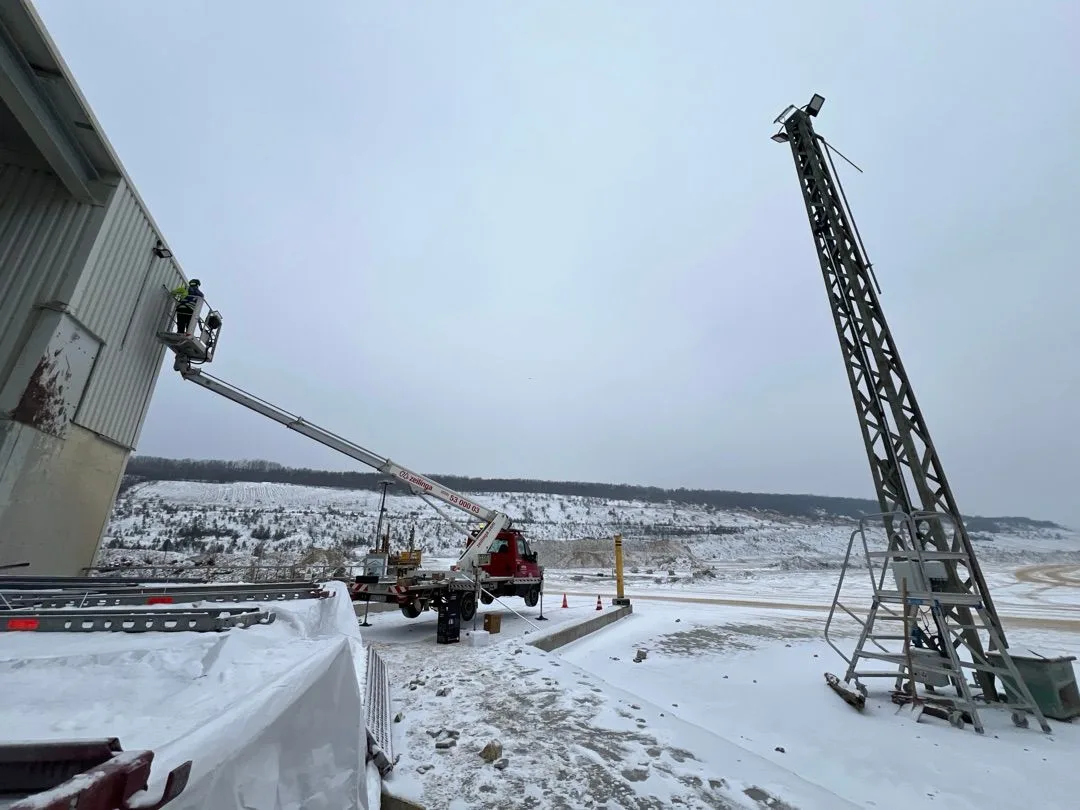
Assembly in an industrial environment
The choice of mounting location significantly affects the image quality and the accuracy of thermal measurements. Depending on the area to be monitored, angles of view, distance, possible shading, and environmental influences (dust, steam, weather, vibration) must be taken into account. Proper installation and robust wiring design are also crucial for long-term, low-maintenance operation.
Installation and system connection
In addition to the physical installation, the Set-up In addition: network configuration, access concepts and – depending on the intended purpose – integration into a control center or a central monitoring system. In industrial plants, it is important that the solution „fits“ operationally: responsibilities, response routes, and visibility of events must be clear.
Parameterization for practical alarms
Thermal technology only becomes effective when boundary values, zones, and alarm rules are defined in a meaningful way. A configuration that is too „rigid“ leads to false alarms, while a configuration that is too „loose“ overlooks relevant deviations. Therefore, tuning to real operating conditions (temperature level, process heat, daily fluctuations) is an essential component of commissioning.
More safety and better control in ongoing operation
With the installed Hikvision Thermal Network Camera If an additional monitoring level is available in the transport concrete plant, it enables early visibility of temperature-related risks and thus supports operational safety. Especially in industrial processes where heat development plays a role, such a solution can help classify events more quickly and initiate appropriate measures in a timely manner.
GRAEF Group as a partner for industrial video and thermal monitoring
The GRAEF Group supports companies in implementing comparable solutions – from the selection of suitable thermal and IP camera technology through to the installation of the systems. Assembly and wiring up to Setup and configuration in the network and in the operational concept. In this context, the key is always: technology must function reliably in everyday use, be easily understandable to operate, and provide exactly the information necessary for quick decisions in plant operations.

Contributions from the practical experience of our installers, project managers and software developers. The group is led by founder Peter Gräf, a DGuSV-certified expert in security technology.
Our team

 German
 English