
Zutrittskontrolle: Moderne Sicherheit im Alltag
In der heutigen Zeit wird die Zutrittskontrolle immer wichtiger, um sowohl persönliche als auch berufliche Sicherheit zu gewährleisten. Mit der steigenden Komplexität der Sicherheitsbedrohungen sind fortschrittliche Technologien unerlässlich, um einen effektiven Schutz zu bieten. Zutrittskontrollsysteme sind dabei nicht nur zu einem festen Bestandteil von Unternehmen und öffentlichen Einrichtungen geworden, sondern finden auch im privaten Bereich immer mehr Anwendung. Von biometrischen Scannern bis hin zu smarten Schlössern bieten diese Systeme eine Vielzahl von Möglichkeiten, um den Zugang zu kontrollieren und gleichzeitig die Benutzerfreundlichkeit zu erhöhen.
Hinweis zu AI-generierten Inhalten: Die Inhalte dieses Blogs werden mithilfe fortschrittlicher künstlicher Intelligenz erstellt. Obwohl wir uns bemühen, Ihnen stets präzise und nützliche Informationen zu bieten, kann es vorkommen, dass Fragen oder Unklarheiten bestehen bleiben. In solchen Fällen stehen Ihnen unsere Experten gerne zur Verfügung. Zögern Sie nicht, uns über die unten aufgeführten Kontaktmöglichkeiten zu erreichen. Unsere Spezialisten sind wahre Kenner ihres Fachs und helfen Ihnen gerne weiter!

Kontaktmöglichkeiten:

Feedback-Formular: Formular Ausfüllen
E-Mail: vertrieb@graef-gruppe.de
Telefon: +493069202294
Wir freuen uns auf Ihre Rückfragen und darauf, Ihnen bei jedem Anliegen behilflich zu sein!
Kerntechnologien der Zutrittskontrolle
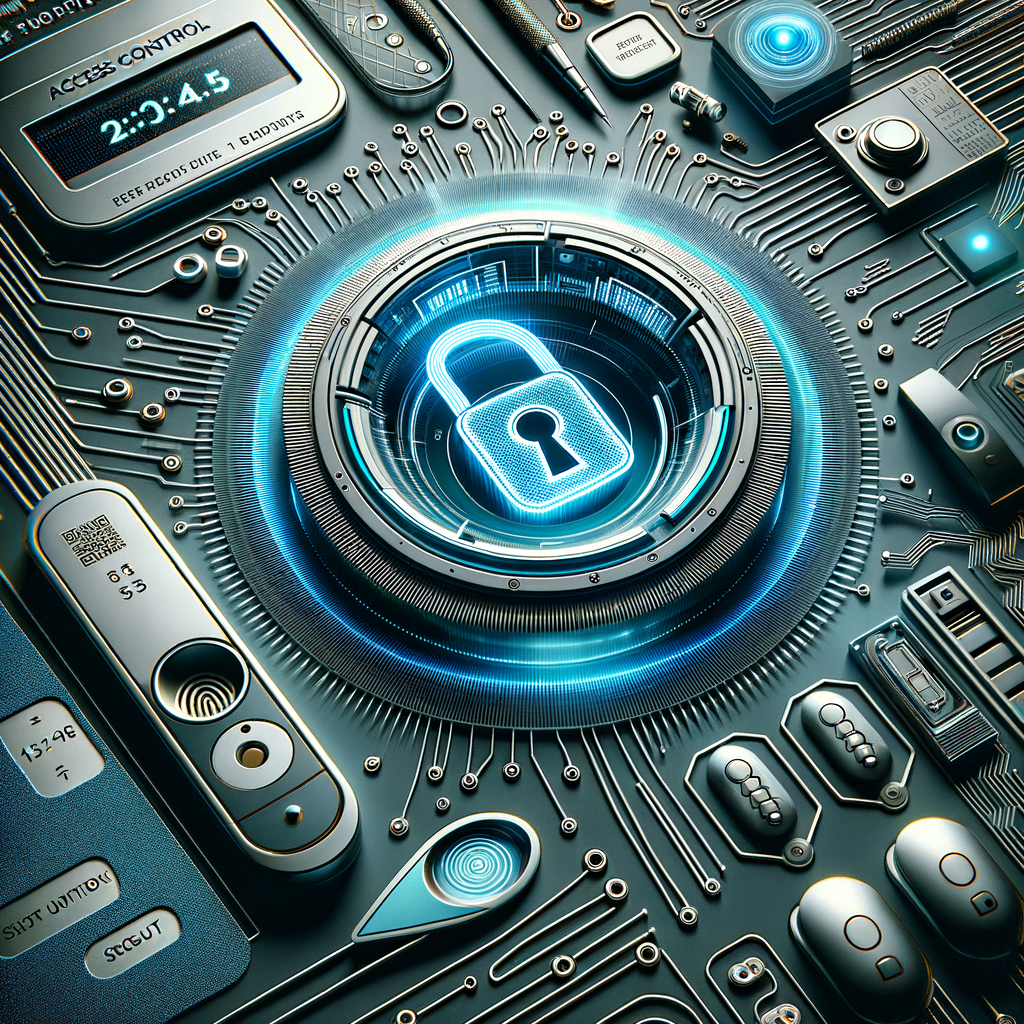
Moderne Zutrittskontrollsysteme integrieren verschiedene Technologien, um eine umfassende Sicherheit zu gewährleisten:
- Biometrische Systeme: Diese Systeme nutzen einzigartige menschliche Merkmale wie Fingerabdrücke, Gesichtserkennung oder Iris-Scans zur Identifikation.
- RFID-Technologie: Mithilfe von Funkchips und Lesegeräten wird der Zugang schnell und kontaktlos ermöglicht.
- Smartphone-basierte Lösungen: Apps und Bluetooth-Technologien erlauben es, Türen mit mobilen Geräten zu öffnen und zu verwalten.
Anwendung in Unternehmen
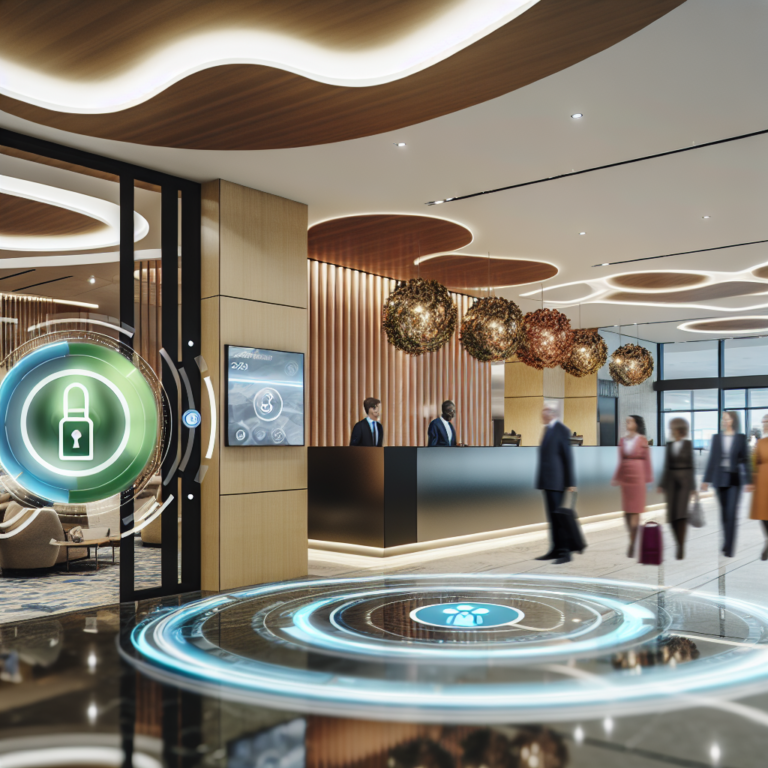
In der Geschäftswelt ist die Zutrittskontrolle unverzichtbar, um sensible Informationen und Vermögenswerte zu schützen. Laut einer Studie des Bundesverbands für Sicherheitstechnik setzen 75% der deutschen Unternehmen moderne Zutrittskontrollsysteme ein. Diese Systeme helfen nicht nur, unbefugten Zugang zu vermeiden, sondern auch interne Zugänge zu regulieren und zu protokollieren. Besonders in Einrichtungen mit hohen Sicherheitsanforderungen wie Banken oder Forschungseinrichtungen sind solche Technologien von entscheidender Bedeutung.
Nutzen im privaten Bereich
Neben der geschäftlichen Nutzung gewinnt die Zutrittskontrolle auch im privaten Bereich immer mehr an Bedeutung. Smarte Türschlösser und Video-Türklingeln sind Beispiele dafür, wie Hausbesitzer die Sicherheit in ihren vier Wänden erhöhen können. Diese Systeme bieten nicht nur Schutz vor Einbrüchen, sondern auch Komfort, indem sie z. B. automatische Benachrichtigungen auf das Smartphone senden, wenn jemand vor der Tür steht. Eine Umfrage des Marktforschungsinstituts Statista ergab, dass 45% der Haushalte in Deutschland bereits intelligente Sicherheitslösungen in Betracht ziehen oder nutzen.
Vorteile und Herausforderungen
Die Implementierung von Zutrittskontrollsystemen bringt zahlreiche Vorteile mit sich, darunter erhöhter Schutz, einfache Verwaltung und umfassende Protokollierung. Dennoch gibt es auch Herausforderungen, die berücksichtigt werden müssen:
- Datenschutzbedenken: Insbesondere bei biometrischen Systemen ist der Schutz der erhobenen Daten essenziell.
- Kosten: Hochwertige Systeme können in der Anschaffung und Wartung kostspielig sein.
- Technologiefolgen: Die Abhängigkeit von Technologie kann bei Ausfällen zu Zugangsproblemen führen.
Zusammenfassend lässt sich sagen, dass moderne Zutrittskontrollsysteme eine unverzichtbare Komponente sowohl im privaten als auch im geschäftlichen Umfeld darstellen. Durch die Integration von innovativen Technologien wie biometrischen Systemen und RFID wird nicht nur die Sicherheit erhöht, sondern auch der Komfort und die Effizienz im Alltag verbessert. Trotz einiger Herausforderungen bieten sie eine zukunftssichere Möglichkeit, die Kontrolle und Sicherheit im eigenen Umfeld zu optimieren.