
Geschwindigkeit Glasfaser: Wie schnelles Internet die digitale Landschaft verändert
Einleitung: Die Bedeutung der Geschwindigkeit Glasfaser
Die Geschwindigkeit Glasfaser hat in den letzten Jahren erheblich an Bedeutung gewonnen. Mit der zunehmenden Digitalisierung unserer Gesellschaft ist ein schnelles und zuverlässiges Internet zu einer Notwendigkeit geworden. Ob im privaten oder beruflichen Bereich, die Anforderungen an die Internetgeschwindigkeit steigen stetig. Glasfaser bietet hierbei eine zukunftssichere Lösung, die die digitale Landschaft nachhaltig verändert.
Was ist Geschwindigkeit Glasfaser?
Geschwindigkeit Glasfaser bezieht sich auf die Datenübertragungsrate, die durch Glasfaserkabel erreicht werden kann. Im Vergleich zu herkömmlichen Kupferkabeln, die für DSL-Verbindungen verwendet werden, sind Glasfaserkabel in der Lage, Daten mit Lichtgeschwindigkeit zu übertragen. Dies ermöglicht eine deutlich höhere Bandbreite und damit eine schnellere Internetverbindung. Aktuell sind Geschwindigkeiten von bis zu 1 Gbit/s möglich, zukünftig könnten sogar noch höhere Geschwindigkeiten erreicht werden.
Wie verändert Geschwindigkeit Glasfaser die digitale Landschaft?
Die hohe Geschwindigkeit Glasfaser hat weitreichende Auswirkungen auf die digitale Landschaft. Sie ermöglicht nicht nur eine schnellere und effizientere Kommunikation, sondern eröffnet auch neue Möglichkeiten in Bereichen wie Cloud Computing, Streaming oder Online-Gaming. Im Folgenden werden einige dieser Veränderungen genauer beleuchtet.
Cloud Computing
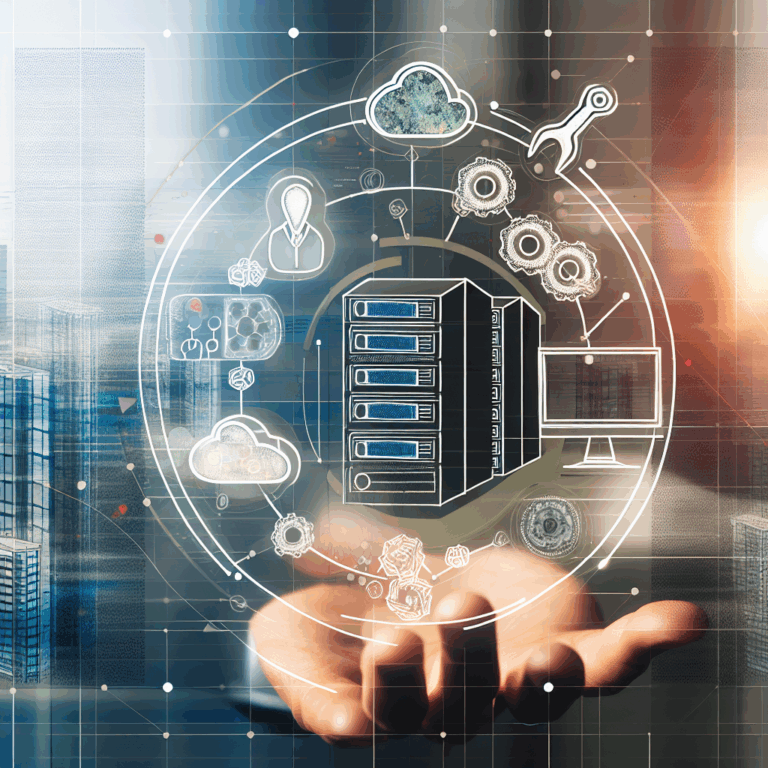
Cloud Computing ist ein Bereich, der stark von der Geschwindigkeit Glasfaser profitiert. Mit einer schnellen Internetverbindung können Daten nahezu in Echtzeit in die Cloud hochgeladen und von dort abgerufen werden. Dies ermöglicht es Unternehmen, ihre IT-Infrastruktur zu optimieren und Kosten zu sparen. Zudem können Mitarbeiter von überall auf ihre Daten zugreifen und effizienter zusammenarbeiten.
Streaming und Online-Gaming
Auch im Bereich Streaming und Online-Gaming spielt die Geschwindigkeit Glasfaser eine entscheidende Rolle. Mit einer schnellen Internetverbindung können Filme, Serien oder Spiele in hoher Qualität und ohne Unterbrechungen gestreamt werden. Dies verbessert das Nutzererlebnis und ermöglicht es Anbietern, neue Kunden zu gewinnen.
Die Zukunft der Geschwindigkeit Glasfaser
Die Geschwindigkeit Glasfaser hat das Potenzial, die digitale Landschaft weiterhin nachhaltig zu verändern. Mit der zunehmenden Verbreitung von Glasfaserkabeln und der Weiterentwicklung der Technologie könnten in Zukunft noch höhere Geschwindigkeiten erreicht werden. Dies würde neue Möglichkeiten in Bereichen wie Virtual Reality, Augmented Reality oder dem Internet der Dinge eröffnen.
Virtual Reality und Augmented Reality
Virtual Reality (VR) und Augmented Reality (AR) sind Technologien, die eine hohe Bandbreite und eine schnelle Datenübertragung erfordern. Mit der Geschwindigkeit Glasfaser könnten VR- und AR-Anwendungen in Echtzeit und ohne Verzögerungen genutzt werden. Dies würde das Nutzererlebnis deutlich verbessern und könnte zu einer stärkeren Verbreitung dieser Technologien führen.
Internet der Dinge
Auch das Internet der Dinge (IoT) profitiert von der Geschwindigkeit Glasfaser. Mit einer schnellen Internetverbindung können Daten von IoT-Geräten in Echtzeit übertragen und verarbeitet werden. Dies ermöglicht eine effizientere Steuerung und Überwachung von Geräten und könnte zu einer stärkeren Verbreitung des IoT führen.
Fazit: Geschwindigkeit Glasfaser als Schlüssel zur digitalen Zukunft
Die Geschwindigkeit Glasfaser ist ein entscheidender Faktor für die digitale Transformation unserer Gesellschaft. Sie ermöglicht eine schnellere und effizientere Kommunikation, eröffnet neue Möglichkeiten in Bereichen wie Cloud Computing, Streaming oder Online-Gaming und hat das Potenzial, die digitale Landschaft nachhaltig zu verändern. Mit der zunehmenden Verbreitung von Glasfaserkabeln und der Weiterentwicklung der Technologie stehen uns spannende Zeiten bevor.