
Zutrittskontrolle in Banken: Schutzmaßnahmen für sensible Bereiche
"Entdecken Sie effektive Zutrittskontrolle in Banken, um sensible Bereiche zu schützen und die Sicherheit zu gewährleisten."
Die Sicherheit von Banken ist von größter Bedeutung, um die Vermögenswerte und Informationen ihrer Kunden zu schützen. Eine der effektivsten Methoden zur Gewährleistung dieser Sicherheit ist die Zutrittskontrolle. In diesem Artikel werden wir die Bedeutung der Zutrittskontrolle in Banken und die Schutzmaßnahmen für sensible Bereiche diskutieren.
Zutrittskontrolle in Banken: Eine Notwendigkeit
Die Zutrittskontrolle ist ein wesentlicher Bestandteil des Sicherheitssystems einer Bank. Sie dient dazu, den Zugang zu bestimmten Bereichen der Bank zu beschränken und zu kontrollieren. Dies ist besonders wichtig in sensiblen Bereichen, in denen wertvolle Vermögenswerte oder vertrauliche Informationen aufbewahrt werden.
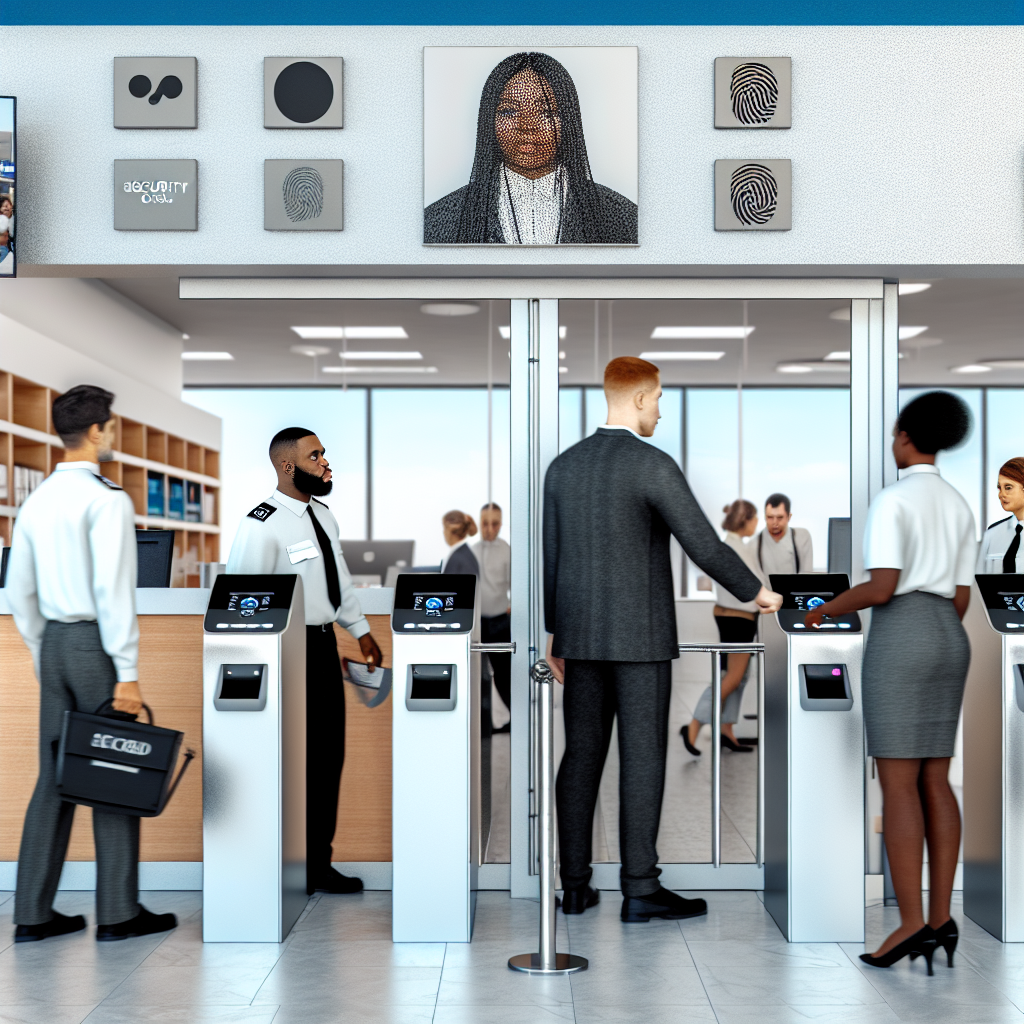
Die Zutrittskontrolle in Banken kann auf verschiedene Weisen umgesetzt werden, beispielsweise durch physische Barrieren wie Türen und Schlösser, elektronische Systeme wie Kartenleser und Biometrie, oder durch Verfahren wie Passwörter und PINs. Die Wahl der geeigneten Zutrittskontrollmaßnahmen hängt von verschiedenen Faktoren ab, darunter die Art der zu schützenden Ressourcen, die Risiken und Bedrohungen, denen die Bank ausgesetzt ist, und die gesetzlichen und regulatorischen Anforderungen.
Schutzmaßnahmen für sensible Bereiche
Es gibt verschiedene Schutzmaßnahmen, die Banken ergreifen können, um den Zugang zu sensiblen Bereichen zu kontrollieren und zu beschränken. Hier sind einige Beispiele:
- Physische Barrieren: Türen, Schlösser und andere physische Barrieren können verwendet werden, um den Zugang zu bestimmten Bereichen der Bank zu beschränken. Diese können durch elektronische Systeme ergänzt werden, um die Sicherheit zu erhöhen.
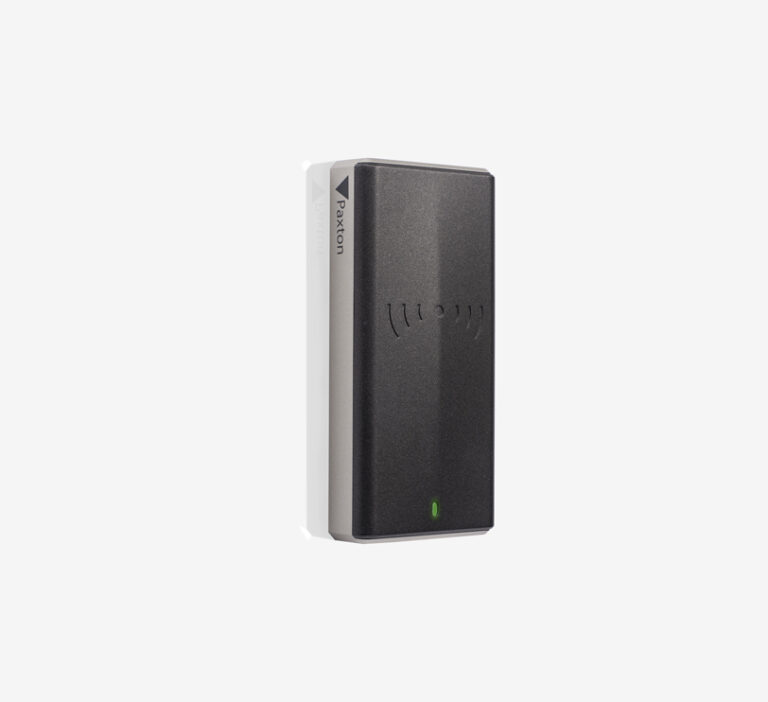
- Elektronische Zutrittskontrollsysteme: Diese Systeme verwenden Technologien wie Kartenleser, Biometrie und RFID, um den Zugang zu bestimmten Bereichen zu kontrollieren. Sie können auch mit Alarmsystemen und Videoüberwachungssystemen verbunden werden, um die Sicherheit zu erhöhen.
- Verfahren und Richtlinien: Banken können Verfahren und Richtlinien einführen, um den Zugang zu sensiblen Bereichen zu kontrollieren. Dies kann beispielsweise die Vergabe von Zugangsberechtigungen, die Durchführung von Sicherheitsüberprüfungen und die Schulung des Personals umfassen.
Die Rolle der Technologie bei der Zutrittskontrolle in Banken
Die Technologie spielt eine entscheidende Rolle bei der Zutrittskontrolle in Banken. Moderne Access control systems nutzen fortschrittliche Technologien wie Biometrie, RFID und Künstliche Intelligenz, um den Zugang zu sensiblen Bereichen zu kontrollieren und zu beschränken.
Biometrische Systeme beispielsweise verwenden einzigartige körperliche oder verhaltensbezogene Merkmale einer Person, wie Fingerabdrücke, Gesichtserkennung oder Iris-Scans, um den Zugang zu kontrollieren. Diese Systeme bieten ein hohes Maß an Sicherheit und sind schwer zu täuschen.
Zutrittskontrolle in Banken: Ein Blick in die Zukunft
Die Zutrittskontrolle in Banken wird sich in den kommenden Jahren weiterentwickeln, da neue Technologien und Bedrohungen auftauchen. Einige Trends, die wir in der Zukunft sehen könnten, sind die verstärkte Nutzung von Biometrie, die Integration von Zutrittskontrollsystemen mit anderen Sicherheitssystemen und die Nutzung von Künstlicher Intelligenz und maschinellem Lernen zur Verbesserung der Sicherheit.
Zutrittskontrolle Bank: Schutzmaßnahmen für sensible Bereiche erweitert
Die Zutrittskontrolle in Banken ist ein komplexes und vielschichtiges Thema, das ständige Aufmerksamkeit und Anpassung erfordert. Banken müssen ständig ihre Sicherheitsmaßnahmen überprüfen und aktualisieren, um mit den sich ändernden Bedrohungen und Technologien Schritt zu halten.
Die Zutrittskontrolle ist ein wesentlicher Bestandteil dieser Bemühungen und spielt eine entscheidende Rolle beim Schutz der Vermögenswerte und Informationen der Bank und ihrer Kunden. Durch die Implementierung effektiver Zutrittskontrollmaßnahmen können Banken sicherstellen, dass ihre sensiblen Bereiche gut geschützt sind und das Vertrauen ihrer Kunden erhalten bleibt.