
Sicherheitstechnik für Botschaften: Top-Schutz garantiert
In einer Welt zunehmender globaler Unsicherheiten sind Botschaften besonders gefährdete Einrichtungen, die höchsten Schutzbedarf haben. Sicherheitstechnik für Botschaften spielt eine wichtige Rolle, um diplomatische Vertretungen, ihre Mitarbeiter und sensiblen Informationen zu schützen. Dieser Beitrag beleuchtet verschiedene Aspekte, die bei der Sicherung von Botschaften berücksichtigt werden müssen, und untersucht innovative Techniken, mit denen ein Höchstmaß an Sicherheit gewährleistet werden kann.
Hinweis zu AI-generierten Inhalten: Die Inhalte dieses Blogs werden mithilfe fortschrittlicher künstlicher Intelligenz erstellt. Obwohl wir uns bemühen, Ihnen stets präzise und nützliche Informationen zu bieten, kann es vorkommen, dass Fragen oder Unklarheiten bestehen bleiben. In solchen Fällen stehen Ihnen unsere Experten gerne zur Verfügung. Zögern Sie nicht, uns über die unten aufgeführten Kontaktmöglichkeiten zu erreichen. Unsere Spezialisten sind wahre Kenner ihres Fachs und helfen Ihnen gerne weiter!

Kontaktmöglichkeiten:

Feedback-Formular: Formular Ausfüllen
E-Mail: vertrieb@graef-gruppe.de
Telefon: +493069202294
Wir freuen uns auf Ihre Rückfragen und darauf, Ihnen bei jedem Anliegen behilflich zu sein!
Sicherheitstechnik für Botschaften: Optimierung der physischen Sicherheit
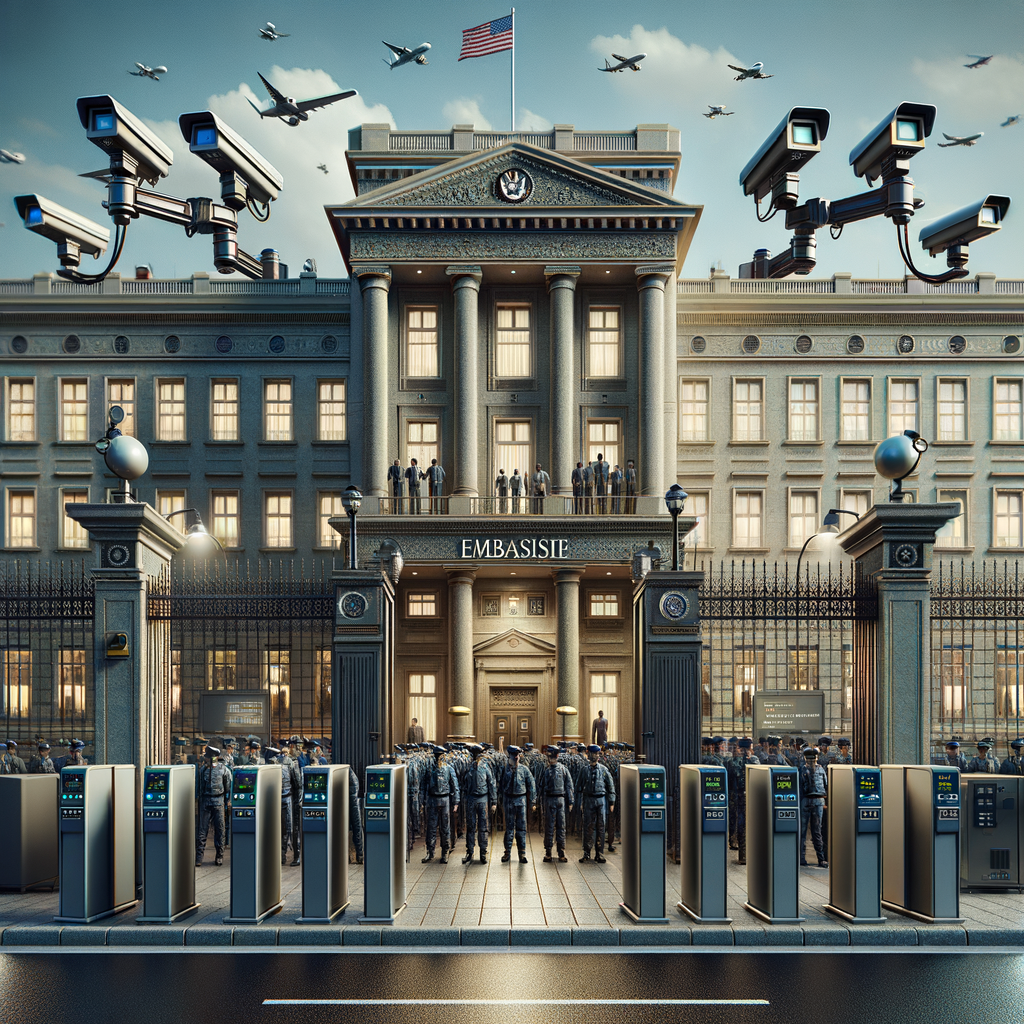
Der Schutz von Botschaften beginnt mit der physischen Sicherheitsstruktur. Die umgebende Infrastruktur muss robust und widerstandsfähig gegen gewaltsame Angriffe sein. Hier spielen verschiedene Technologien eine entscheidende Rolle:
- Betonbarrikaden und Fahrzeugsperren: Diese sorgen dafür, dass unbefugte Fahrzeuge keinen Zugang zum Botschaftsgelände erhalten.
- Sicherheitszäune: Moderne Zäune sind oft mit Sensoren ausgestattet, die Eindringlinge sofort erkennen.
- Panzerglas: Schützt vor Explosionen und ballistischen Bedrohungen.
Ein interessantes Beispiel ist die US-Botschaft in London, deren Architektur explizit auf die maximale physische Sicherheit ausgelegt ist. Panzerglas und ein besonders starkes Sicherheitszaun-System gewährleisten einen hohen Schutz.
Moderne Überwachungstechnologie
Zusätzlich zur physischen Sicherheit ist die Überwachungstechnologie ein wesentlicher Bestandteil der Sicherheitstechnik für Botschaften. Hierzu gehören:
- Überwachungskameras: Hochauflösende Kameras mit Gesichtserkennung identifizieren potenzielle Bedrohungen frühzeitig.
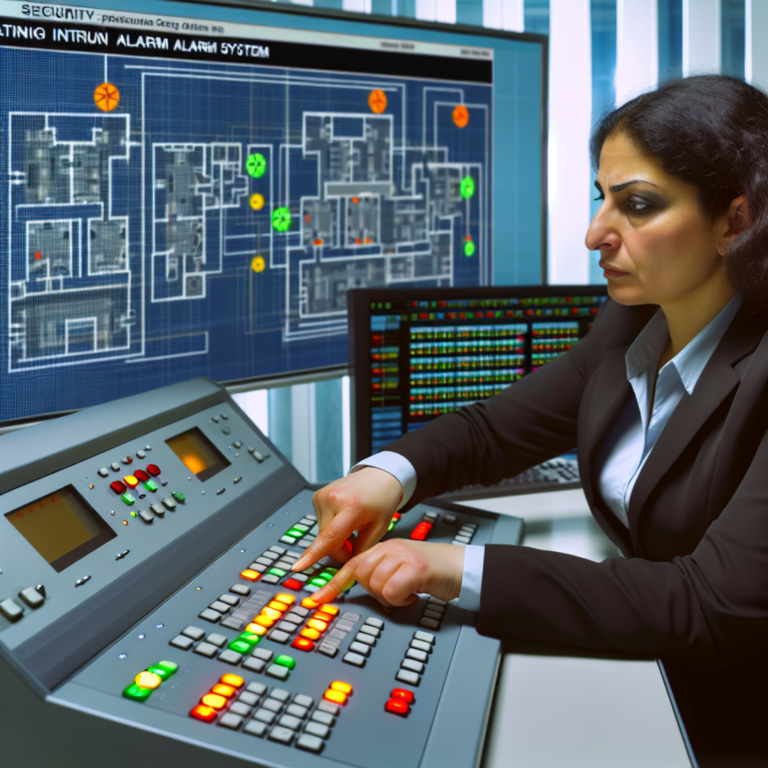
- Bewegungssensoren: Detektieren ungewöhnliche Aktivitäten rund um die Uhr.
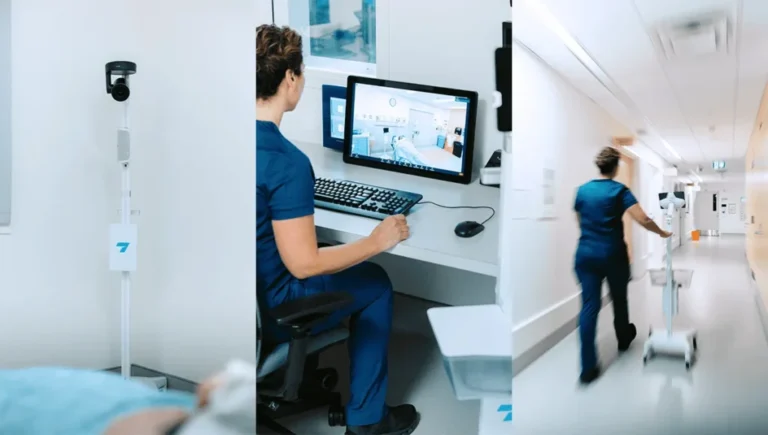
- Sicherheitspersonal: Geschultes Personal überwacht die Technik und reagiert bei Bedrohungen.
Ein bemerkenswerter Fall ist die deutsche Botschaft in Kabul, die aufgrund ihrer fortschrittlichen Überwachungstechnologie rechtzeitig evakuiert werden konnte, bevor sie 2017 Ziel eines Angriffs wurde.
Zugangskontrollsysteme in Botschaften
Ein weiterer entscheidender Aspekt der Sicherheitstechnik für Botschaften ist die Zugangskontrolle. Diese Systeme stellen sicher, dass nur autorisierte Personen Zugang zum Gebäude erhalten.
- Biometrische Systeme: Fingerabdruck- und Irisscanner für streng regulierte Zugangsbereiche.
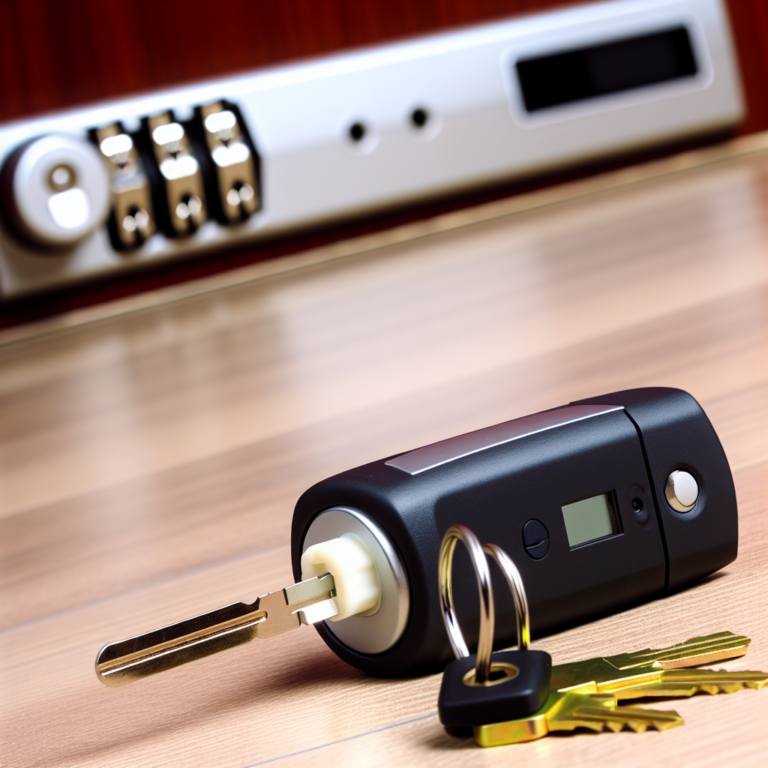
- Elektronische Zugangskarten: Personalisierte, nicht kopierbare Karten für Mitarbeiter.
- Mehrstufige Zugangskontrollen: Kombination aus biometrischen und konventionellen Methoden für maximale Sicherheit.
Die französische Botschaft in Washington, D.C., verwendet ein ausgeklügeltes biometrisches Zugangssystem, das im Falle von Bedrohungen automatisch verschärfte Sicherheitsmaßnahmen einleitet.
Technologische Innovationen und Trends
Mit der fortschreitenden technologischen Entwicklung kommen ständig neue Lösungen auf den Markt. Einige spannende Trends im Bereich Sicherheitstechnik für Botschaften sind:
- KI-gesteuerte Analysen: Diese Systeme lernen kontinuierlich dazu und erkennen Anomalien in Echtzeit.
- Drohnenüberwachung: Moderne Botschaften verwenden Drohnen für Luftaufnahmen und Überwachung größerer Gelände.
- Cybersecurity-Integrationen: Schutz vor digitalen Bedrohungen durch umfassende Sicherheitsprotokolle.
Um den Schutz von Botschaften zu gewährleisten, ist es entscheidend, eine ganzheitliche Sicherheitsstrategie zu verfolgen. Von der physischen Sicherung über hochentwickelte Überwachungstechnologien bis hin zu den neuesten Zugangskontrollsystemen tragen diese Maßnahmen dazu bei, dass Diplomaten und ihre Mitarbeiter in einem sicheren Umfeld arbeiten können. Der technologische Fortschritt und innovative Lösungen sorgen dafür, dass sich Botschaften weiterhin gegen neue Bedrohungen wappnen können.