
Sicherheitsratschläge: Schutz vor dem Klonen von RFID-Token
Sicherheitsratschläge: Schutz vor dem Klonen von RFID-Token
Die Sicherheit von Zutrittskontroll-Token hat sich aufgrund des technologischen Fortschritts ständig weiterentwickelt. Eine der Bedrohungen, die die Token-Sicherheit gefährden, ist das Klonen von RFID-Token. In diesem Artikel möchten wir Sie über die Risiken des Klonens informieren und Ihnen zeigen, wie Sie sich und Ihre Kunden davor schützen können.
Hinweis zu AI-generierten Inhalten: Die Inhalte dieses Blogs werden mithilfe fortschrittlicher künstlicher Intelligenz erstellt. Obwohl wir uns bemühen, Ihnen stets präzise und nützliche Informationen zu bieten, kann es vorkommen, dass Fragen oder Unklarheiten bestehen bleiben. In solchen Fällen stehen Ihnen unsere Experten gerne zur Verfügung. Zögern Sie nicht, uns über die unten aufgeführten Kontaktmöglichkeiten zu erreichen. Unsere Spezialisten sind wahre Kenner ihres Fachs und helfen Ihnen gerne weiter!

Kontaktmöglichkeiten:

Feedback-Formular: Formular Ausfüllen
E-Mail: vertrieb@graef-gruppe.de
Telefon: +493069202294
Wir freuen uns auf Ihre Rückfragen und darauf, Ihnen bei jedem Anliegen behilflich zu sein!
Was ist RFID-Klonen?
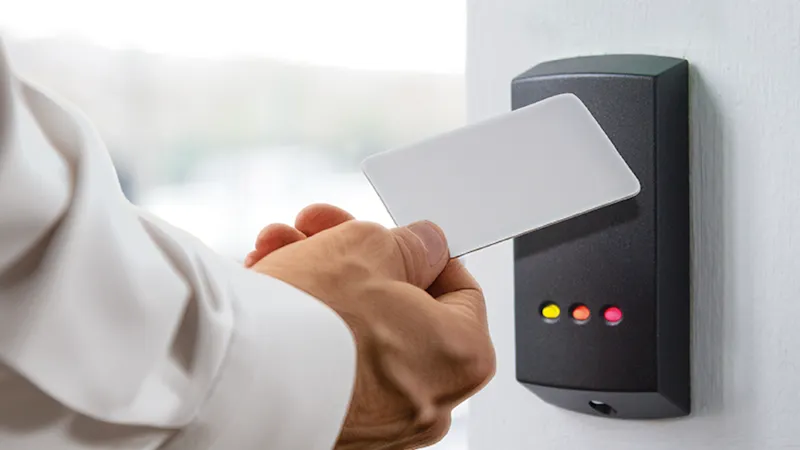
Beim RFID-Klonen werden die auf einem RFID-Token gespeicherten Informationen auf einen anderen Token kopiert, sodass ein Duplikat mit denselben Identifikationsinformationen entsteht. Dies geschieht entweder durch Abfangen der Kommunikation zwischen einem RFID-Token und einem Lesegerät oder durch Verwendung eines speziellen Geräts, um die Token-Informationen zu lesen und auf einen leeren Token zu schreiben.
Wie erfolgt das Klonen?
Ein speziell angefertigtes RFID-Token-Lesegerät oder ein intelligentes Android-Gerät wird verwendet, um Daten von einem vorhandenen RFID-Token zu extrahieren. Diese Daten werden dann auf einen leeren RFID-Chip oder Token geschrieben, wodurch effektiv ein Klon erstellt wird.
Wie kann ich die Wahrscheinlichkeit verringern, dass meine Token geklont werden?
Ein Vorteil eines elektronischen Zutrittskontrollsystems ist, dass der Systemadministrator die Zugangsberechtigungen für kompromittierte Token ändern kann. Bei Verdacht auf Klonen kann der Administrator den Token von allen Zutrittsberechtigungen ausschließen. In Bereichen mit vielen Nutzern, wie Wohngebäuden oder Ferienhäusern, sollte eine zusätzliche Sicherheitsebene in Betracht gezogen werden.
Verhaltensmaßnahmen:
- Sofortige Meldung verlorener oder gestohlener Karten.
- Token in RFID-geschützten Hüllen aufbewahren.
- Gemeinsame Nutzung oder Verleih von Tokens vermeiden.
- Verdächtige Aktivitäten melden.
Hardware- und Software-Optionen:
- Biometrie: Zusätzliche Sicherheit durch individuelle Merkmale wie Fingerabdrücke.
- Anti-Passback: Verhindert, dass derselbe Token mehrfach verwendet wird.
- Automatischer Ablauf: Zutrittsrechte können zeitlich begrenzt werden, um die Nutzung kompromittierter Token zu verhindern.
- Doppelte Authentifizierung: Zusätzliche PIN-Eingabe neben dem Token.
- Mobile Zugangsdaten: Nutzung von Smartphones statt physischen Tokens, da verschlüsselte Zutrittsdaten nicht geklont werden können.
Zu beachtende Punkte:
- CSN (Card Serial Number) und Unique Identifier (UID) vs Secure Sector Reading: Jeder RFID-Chip hat eine eindeutige Seriennummer (CSN), die von jedem ISO-konformen RFID-Lesegerät gelesen werden kann. Sektoren innerhalb eines RFID-Tokens können verschlüsselt und nur mit speziellen Schlüsseln gelesen werden.
WICHTIGER HINWEIS – Paxton Net2 MIFARE® Leser Das Paxton Net2 MIFARE® Lesegerät liest die UID des MIFARE® Tokens und nicht die verschlüsselten Sektoren. Wenn Sie Bedenken bezüglich der Sicherheit von Paxton MIFARE® Tokens haben, informieren Sie Ihre Kunden über die Risiken und Ratschläge, um die sichersten Lösungen zu bieten.
Produkt- und Software-Updates:
- Die Hüllen der Lesegeräte der P-Serie werden aktualisiert und mit dem Paxton-Logo versehen.
- Paxton10 v4.5 SR11 bietet Updates zur Verbesserung der Sicherheit und Stabilität.
- Entry v3.1 SR2 bietet eine verbesserte Benutzerfreundlichkeit für Touch- und Standard-Panels.
Diese Maßnahmen und Informationen helfen Ihnen, die Sicherheit Ihrer Zutrittskontrollsysteme zu verbessern und das Risiko des Klonens von RFID-Token zu minimieren.
Wie kann ich meine RFID-Zutrittskarte vor dem Klonen schützen?
Verwenden Sie RFID-Blocker-Hüllen oder -Etuis, die das unbefugte Auslesen der Karte verhindern. Zudem sollten Sie auf Karten mit moderner Verschlüsselung wie AES-128 setzen, um die Sicherheit zu erhöhen.
Welche RFID-Kartentypen sind besonders anfällig für Klonangriffe?
Einfachere RFID-Karten ohne Verschlüsselung, wie ältere MIFARE Classic oder 125 kHz-Tags, lassen sich leichter klonen. Moderne Karten mit dynamischer Authentifizierung bieten besseren Schutz.
Wie funktionieren RFID-Klone und welche Geräte werden dafür verwendet?
RFID-Klone erfassen die Signalübertragung zwischen Karte und Leser und kopieren diese auf ein anderes Medium. Geräte wie Proxmark3 oder Flipper Zero können dazu verwendet werden.
Welche Maßnahmen erhöhen die Sicherheit meines RFID-Zugangssystems?
Integrieren Sie Zwei-Faktor-Authentifizierung, regelmäßige Sicherheitsüberprüfungen und setzen Sie auf Karten mit fortschrittlicher Verschlüsselung. Zudem sollten veraltete Systeme aktualisiert werden.