
Zutrittskontrolle für Arenen: Sicherheit bei Großveranstaltungen gewährleisten
"Zutrittskontrolle Arena: Gewährleisten Sie Sicherheit bei Großveranstaltungen durch effektive Zutrittskontrollsysteme für Arenen."
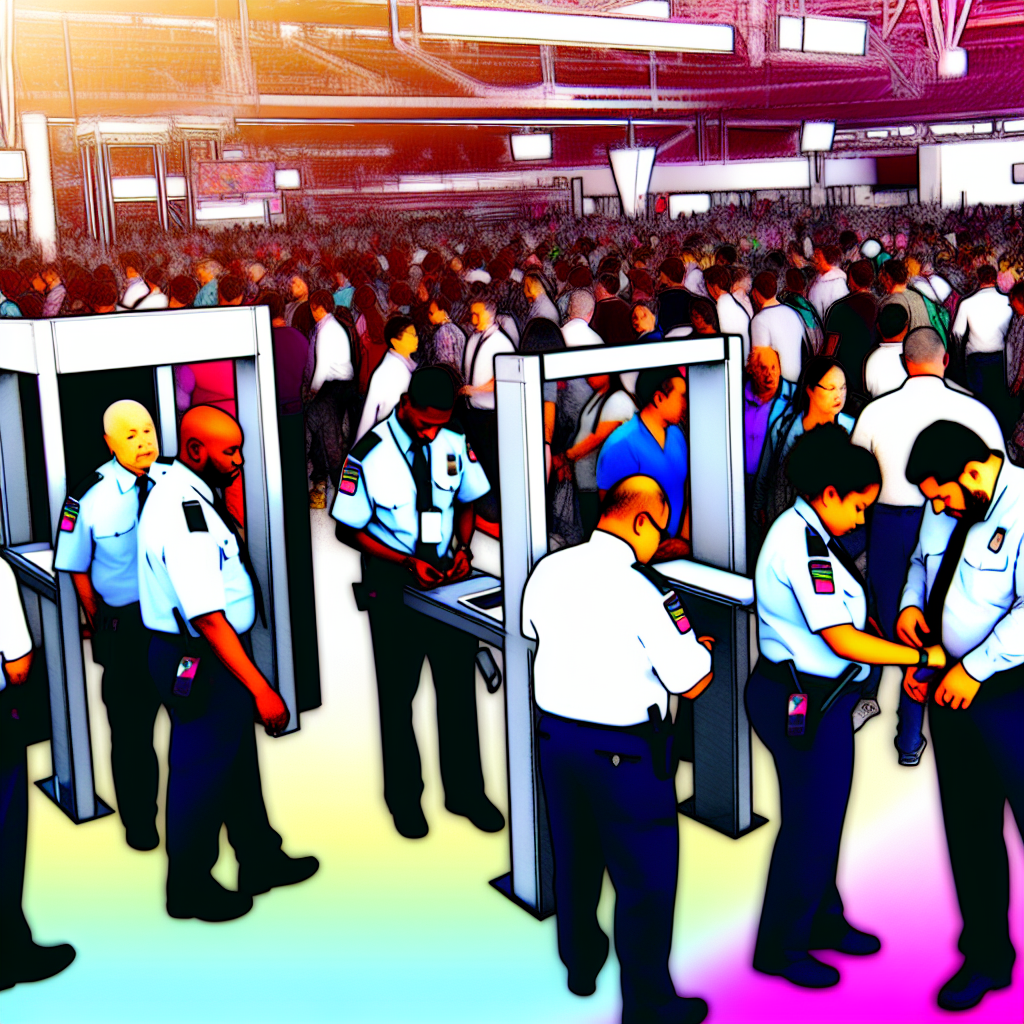
Die Sicherheit bei Großveranstaltungen ist ein zentrales Anliegen für Veranstalter, Teilnehmer und Behörden. Eine effektive Methode zur Gewährleistung der Sicherheit ist die Zutrittskontrolle für Arenen. Dieser Artikel beleuchtet, wie Zutrittskontrollsysteme dazu beitragen können, die Sicherheit bei Großveranstaltungen zu gewährleisten.
Zutrittskontrolle bezeichnet ein Sicherheitssystem, das den Zugang zu bestimmten Bereichen kontrolliert und reguliert. Es handelt sich dabei um eine Kombination aus Technologie, Prozessen und Strategien, die dazu dienen, unerwünschte oder unbefugte Personen vom Betreten bestimmter Bereiche abzuhalten. In der Praxis kann dies durch verschiedene Methoden erreicht werden, darunter physische Barrieren, elektronische Systeme und biometrische Technologien.
Hinweis zu AI-generierten Inhalten: Die Inhalte dieses Blogs werden mithilfe fortschrittlicher künstlicher Intelligenz erstellt. Obwohl wir uns bemühen, Ihnen stets präzise und nützliche Informationen zu bieten, kann es vorkommen, dass Fragen oder Unklarheiten bestehen bleiben. In solchen Fällen stehen Ihnen unsere Experten gerne zur Verfügung. Zögern Sie nicht, uns über die unten aufgeführten Kontaktmöglichkeiten zu erreichen. Unsere Spezialisten sind wahre Kenner ihres Fachs und helfen Ihnen gerne weiter!

Kontaktmöglichkeiten:

Feedback-Formular: Formular Ausfüllen
E-Mail: vertrieb@graef-gruppe.de
Telefon: +493069202294
Wir freuen uns auf Ihre Rückfragen und darauf, Ihnen bei jedem Anliegen behilflich zu sein!
Die Bedeutung der Zutrittskontrolle für Arenen
Bei Großveranstaltungen, wie Konzerten, Sportveranstaltungen oder Messen, ist die Zutrittskontrolle von entscheidender Bedeutung. Sie hilft dabei, die Sicherheit der Teilnehmer zu gewährleisten, indem sie sicherstellt, dass nur autorisierte Personen Zugang zur Veranstaltung haben. Darüber hinaus kann sie dazu beitragen, die Ordnung innerhalb der Veranstaltung zu wahren und Störungen zu minimieren.
Wie funktioniert die Zutrittskontrolle in Arenen?
Die Zutrittskontrolle in Arenen kann auf verschiedene Weisen umgesetzt werden. Eine gängige Methode ist die Verwendung von Eintrittskarten oder Ausweisen, die beim Betreten der Arena gescannt werden. Moderne Zutrittskontrollsysteme können auch biometrische Daten, wie Fingerabdrücke oder Gesichtserkennung, verwenden, um den Zugang zu kontrollieren.
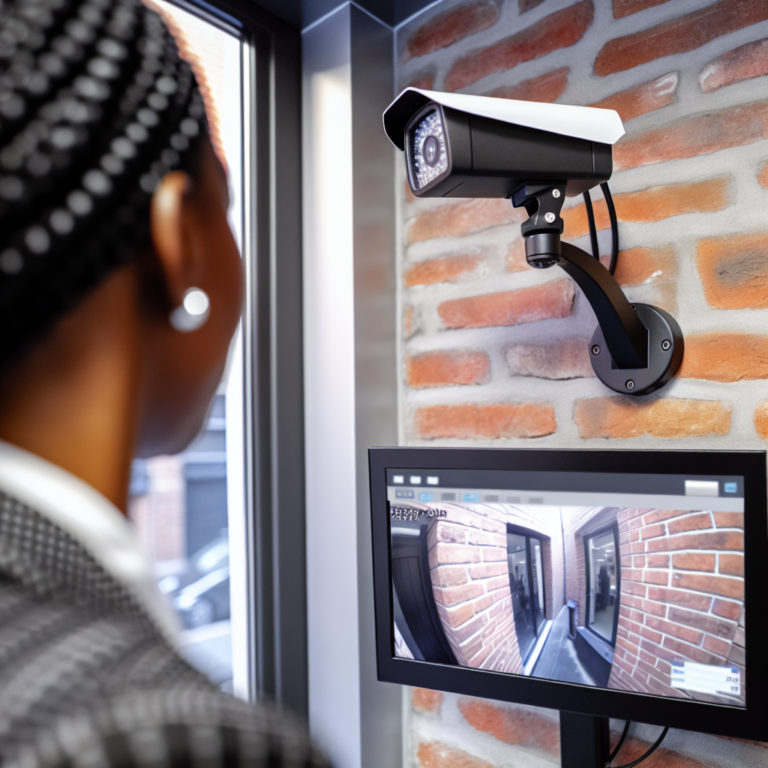
Ein weiterer wichtiger Aspekt der Zutrittskontrolle ist die Überwachung. Dies kann durch den Einsatz von Sicherheitspersonal, Videoüberwachung oder automatisierten Systemen erfolgen. Durch die Überwachung können Sicherheitsverantwortliche potenzielle Bedrohungen frühzeitig erkennen und entsprechend reagieren.
Beispiele für erfolgreiche Zutrittskontrolle in Arenen
Ein gutes Beispiel für die erfolgreiche Anwendung von Zutrittskontrollsystemen ist die Fußball-Weltmeisterschaft 2018 in Russland. Bei diesem Event wurden erstmals personalisierte Fan-IDs eingesetzt, die als Zutrittskontrolle dienten. Diese IDs enthielten persönliche Informationen des Ticketinhabers und mussten beim Betreten des Stadions vorgezeigt werden. Dieses System trug dazu bei, die Sicherheit bei den Spielen zu erhöhen und den Ticketverkauf auf dem Schwarzmarkt zu reduzieren.
Zukunft der Zutrittskontrolle für Arenen
Die Technologie der Zutrittskontrolle entwickelt sich ständig weiter. In der Zukunft könnten wir noch ausgefeiltere Systeme sehen, die noch mehr Sicherheit bieten. Beispielsweise könnten biometrische Technologien, wie Gesichtserkennung oder Iris-Scanning, noch stärker zum Einsatz kommen. Auch die Verwendung von künstlicher Intelligenz zur Verbesserung der Überwachung und Erkennung von Bedrohungen ist denkbar.
Zutrittskontrolle Arena: Sicherheit bei Großveranstaltungen gewährleisten
Zusammenfassend lässt sich sagen, dass die Zutrittskontrolle ein unverzichtbares Instrument zur Gewährleistung der Sicherheit bei Großveranstaltungen ist. Durch den Einsatz moderner Technologien und effektiver Strategien können Veranstalter sicherstellen, dass nur autorisierte Personen Zugang zur Veranstaltung haben und potenzielle Bedrohungen frühzeitig erkannt werden. So kann ein sicheres und angenehmes Erlebnis für alle Teilnehmer gewährleistet werden.