

 Deutsch
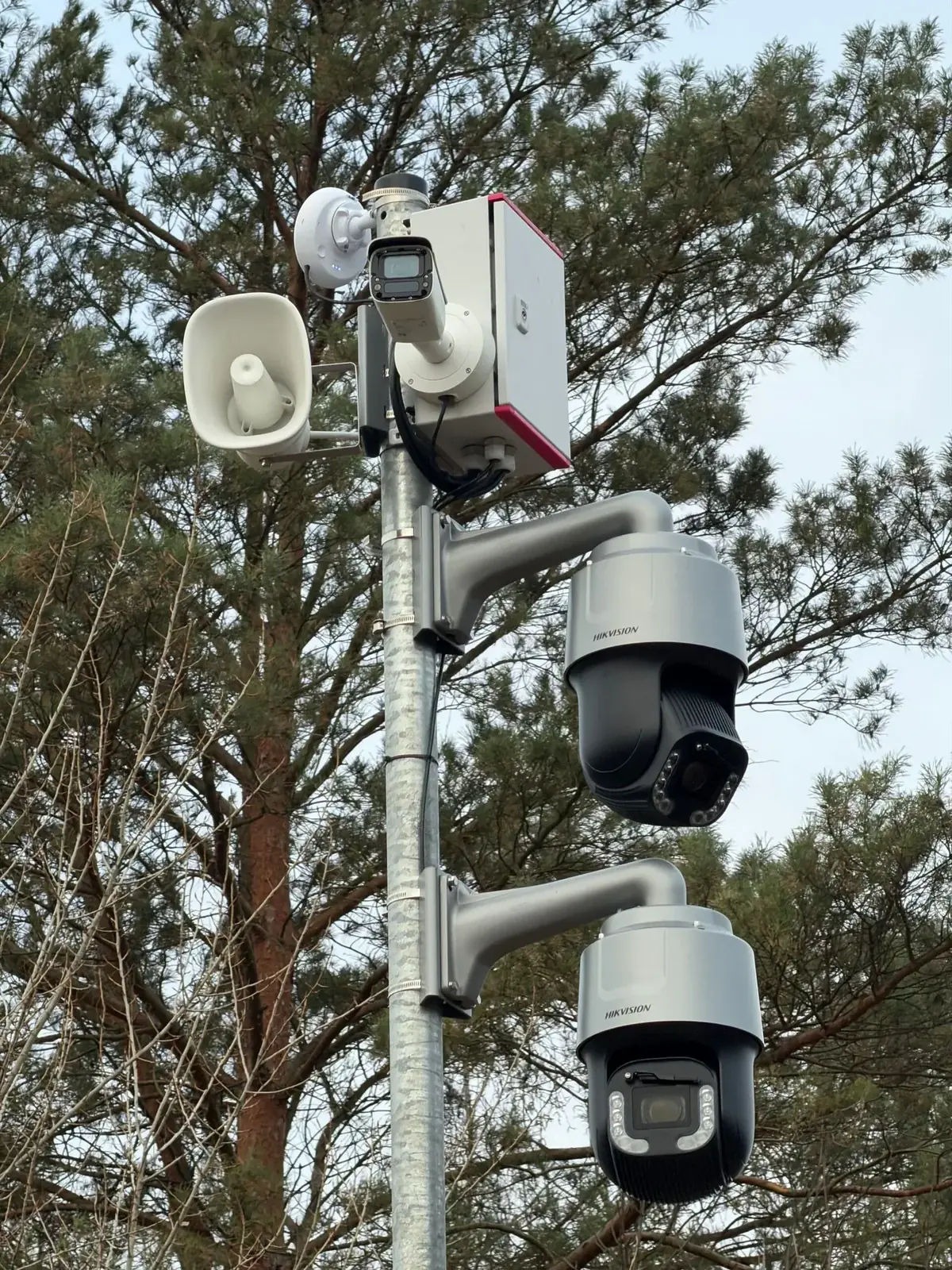
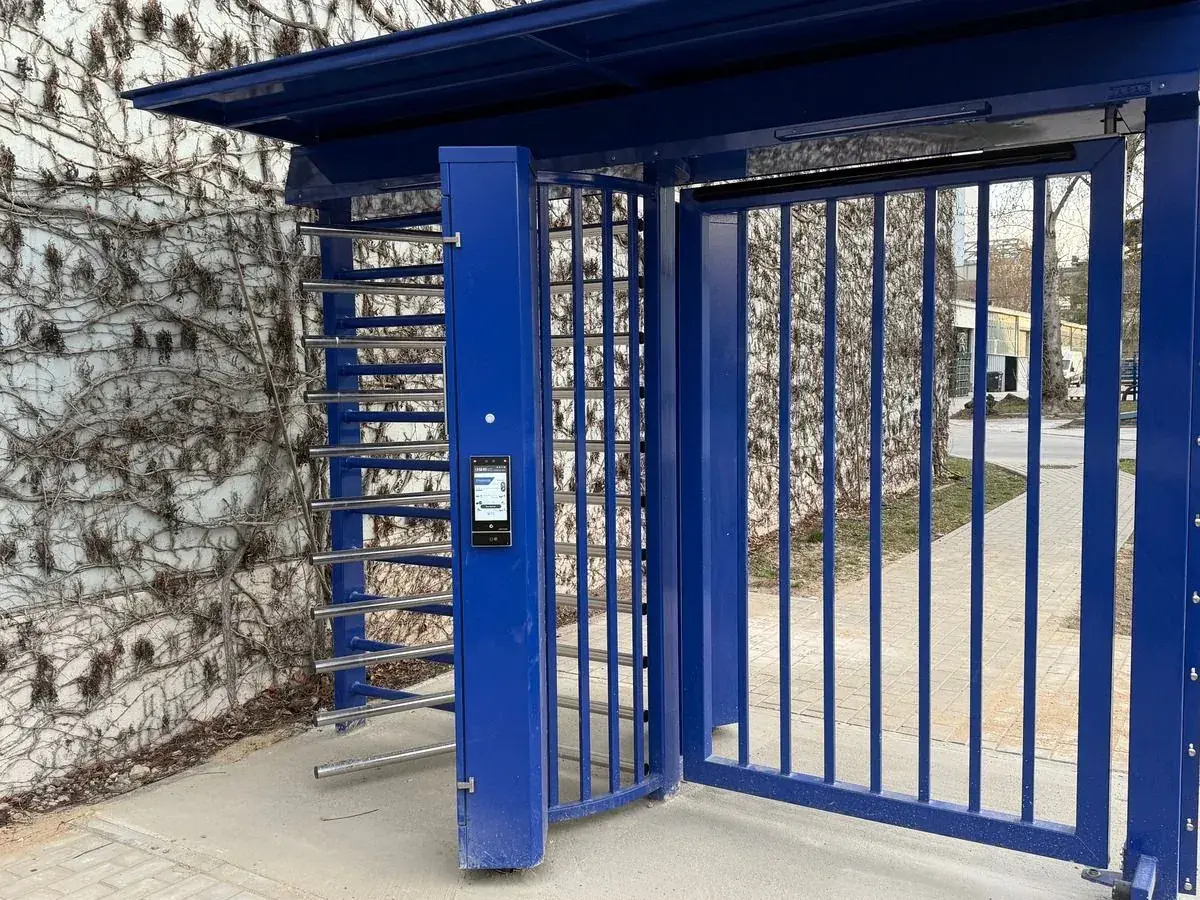
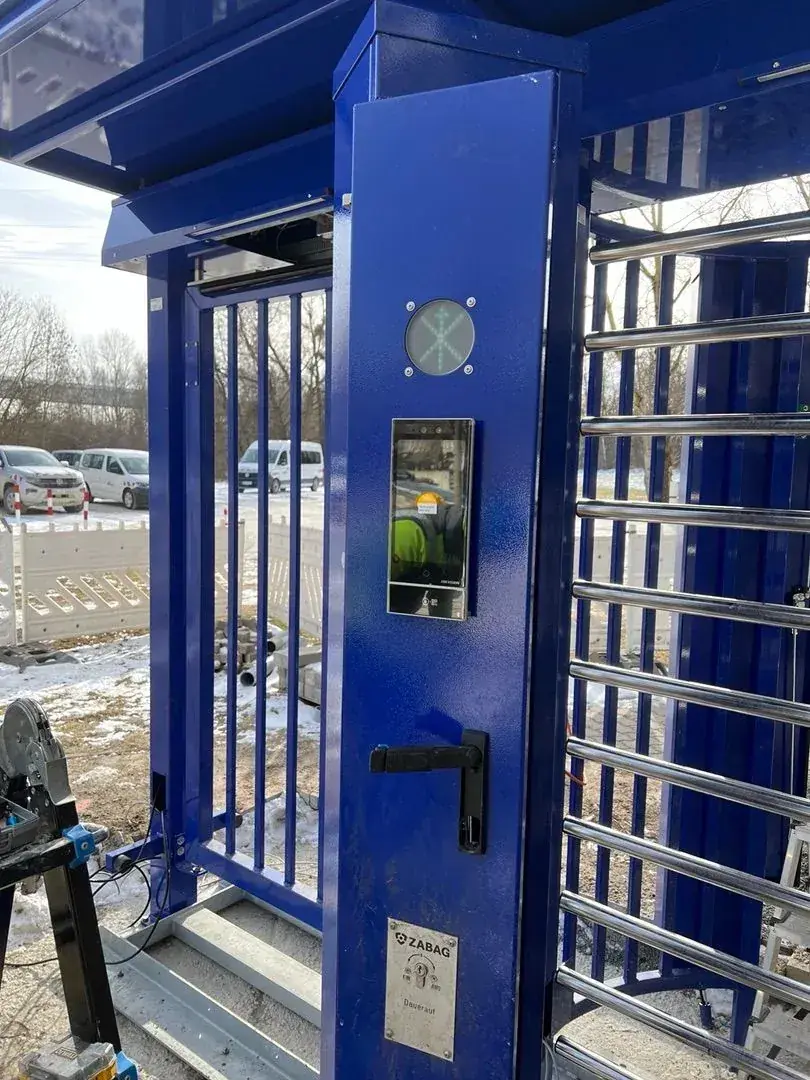
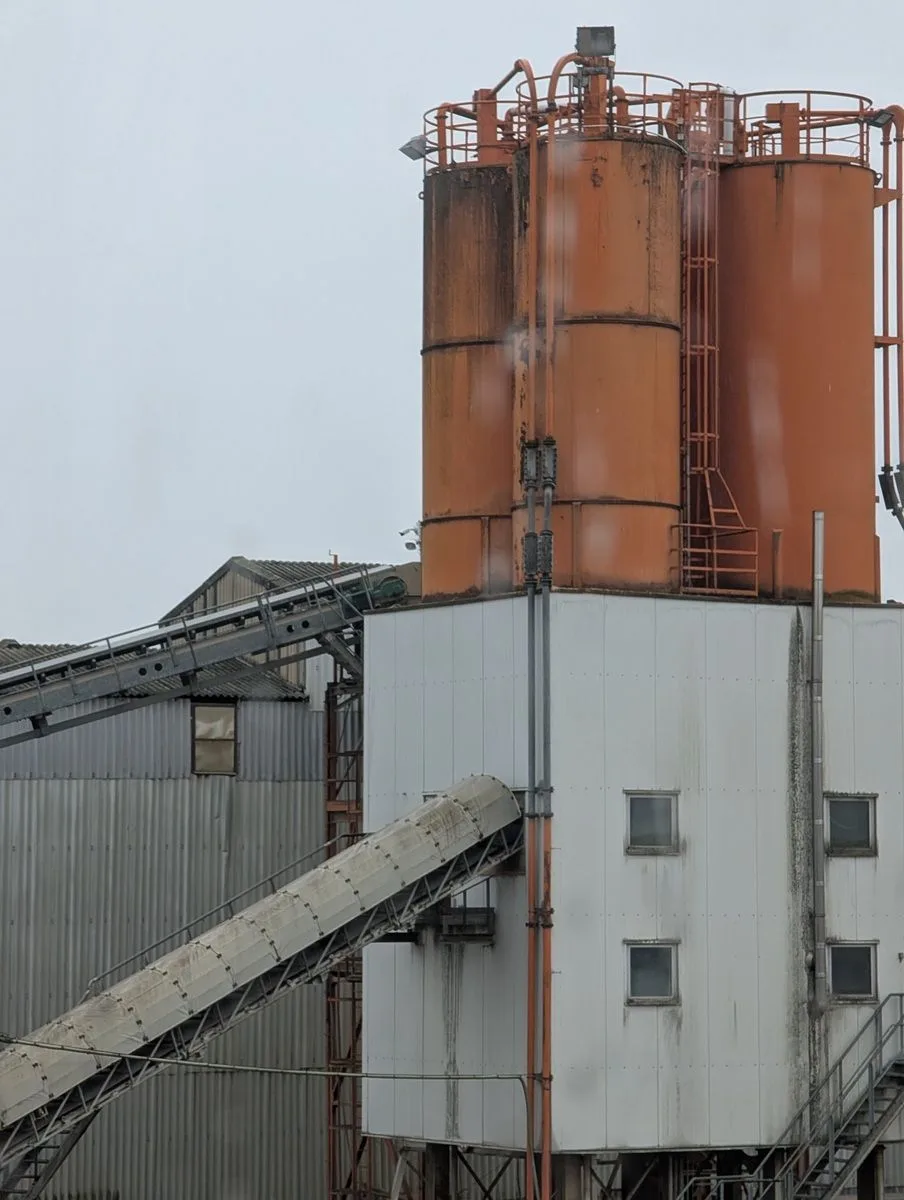
The requirements for safety and process monitoring in large industrial facilities are growing steadily. The GRAEF Group continues its successful collaboration at the site CEMEX The company expanded its operations and, in a further project step, implemented extensive video surveillance. In doing so, it used state-of-the-art technology from the world market leader. Hikvision.
In addition to the access control already installed, a Large number of Hikvision cameras in combination with a powerful monitoring solution for complete transparency on the factory premises. The goal of this measure is to protect critical infrastructure, optimize logistics processes, and enable rapid, legally sound evaluation in the event of an incident.
Why Hikvision for industrial large projects like CEMEX?
In an environment such as a transport concrete plant or a building material plant, harsh conditions prevail. Dust, vibrations, and extreme weather influences demand everything from the hardware. The decision to choose Hikvision fell due to the high reliability and the technological diversity of the portfolio:
- High image resolution: Clear details are crucial for identifying signs, people, or processes clearly even in difficult lighting conditions.
- Robust construction: The cameras are designed specifically for industrial outdoor use and offer protection against environmental influences.
- Intelligent analysis functions: Hikvision systems enable far more than just image recording. Features such as motion detection, line crossing, or tag storage actively support security personnel.
- Scalability: The system can be easily expanded, which is a great advantage for an expanding company like CEMEX.
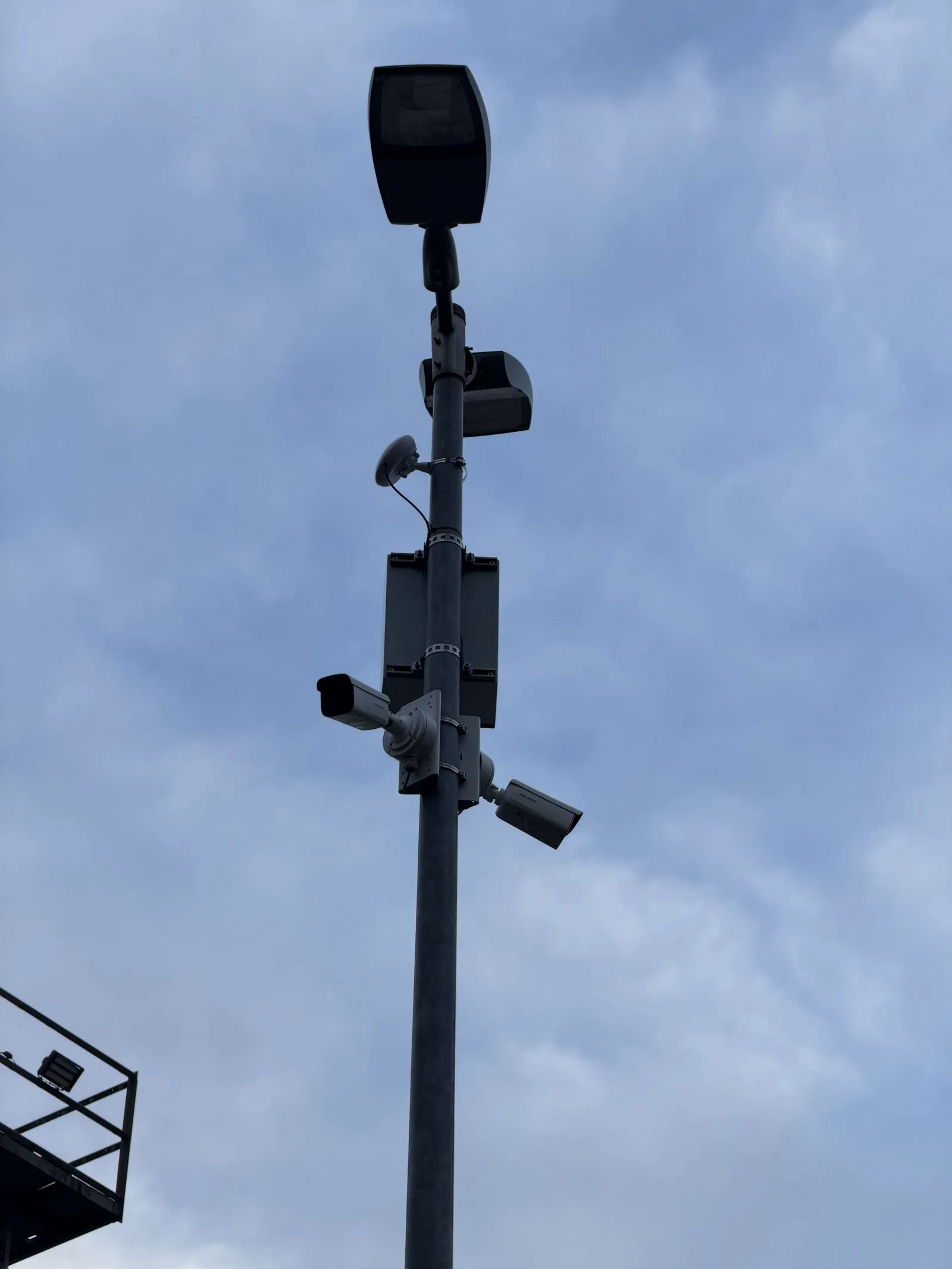
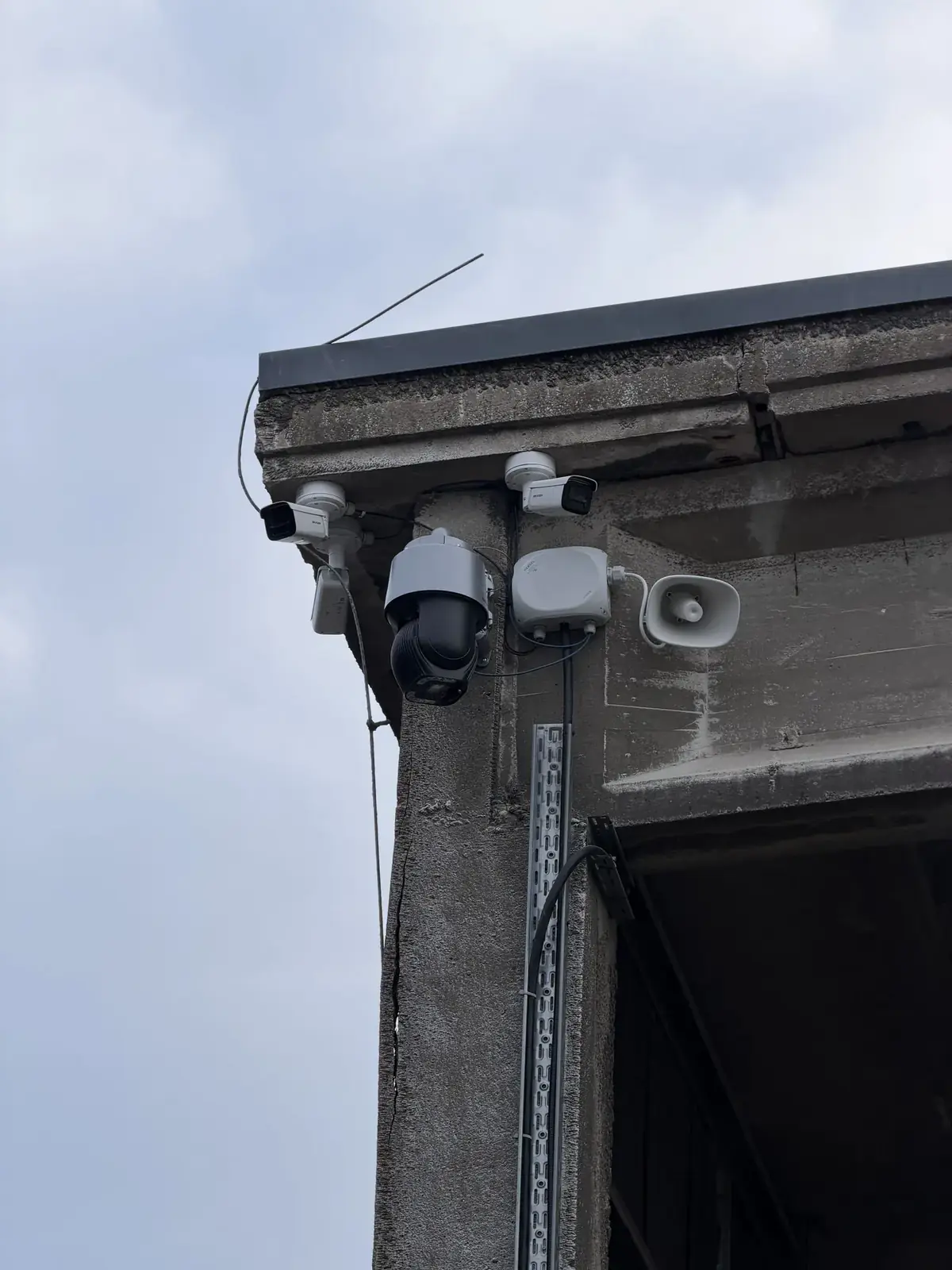
Our performance: installation, assembly and system integration
A camera system of this size is only as good as its planning and installation. The GRAEF Group has taken over the complete technical implementation.
Strategic installation of Hikvision cameras
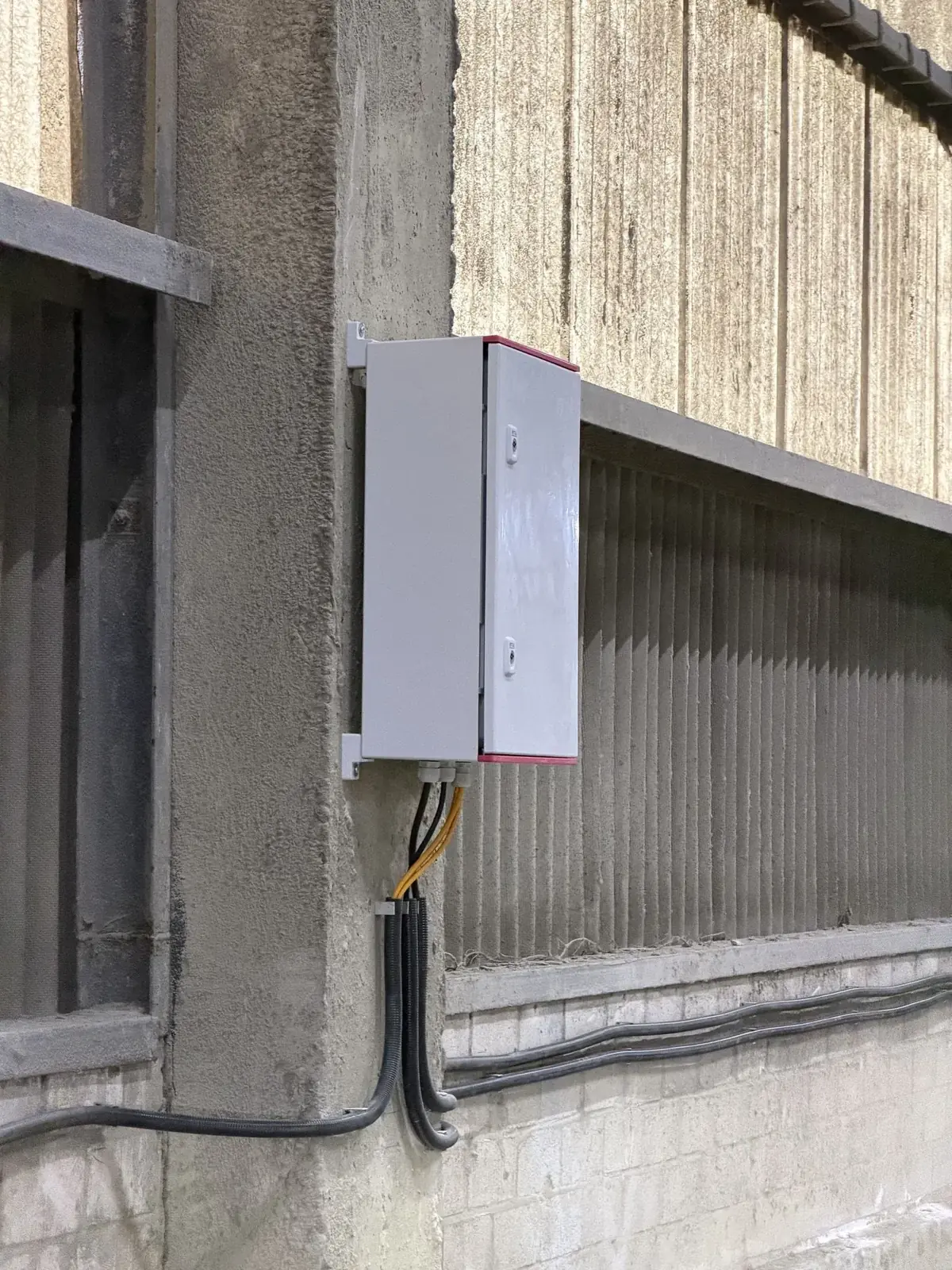
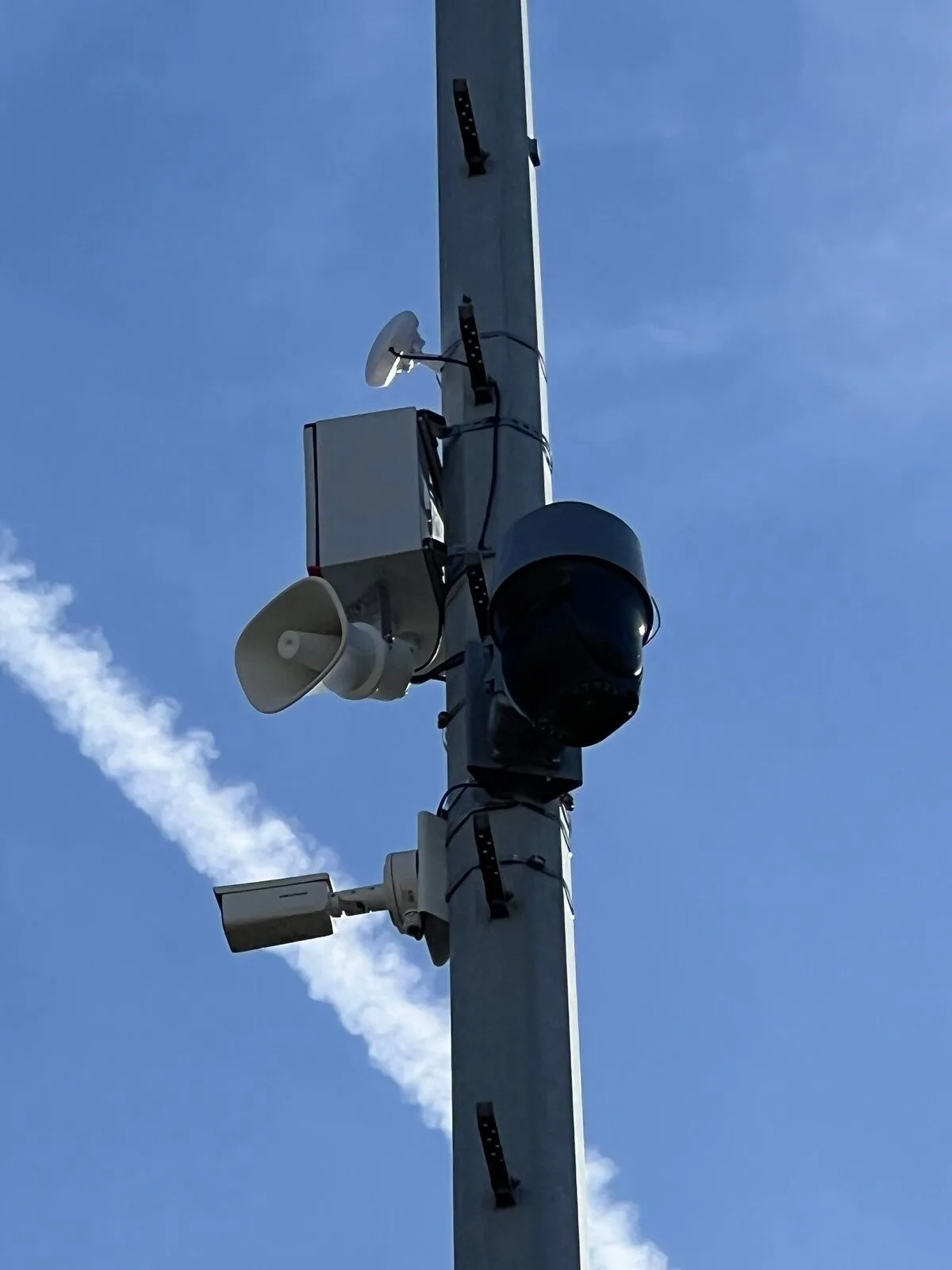
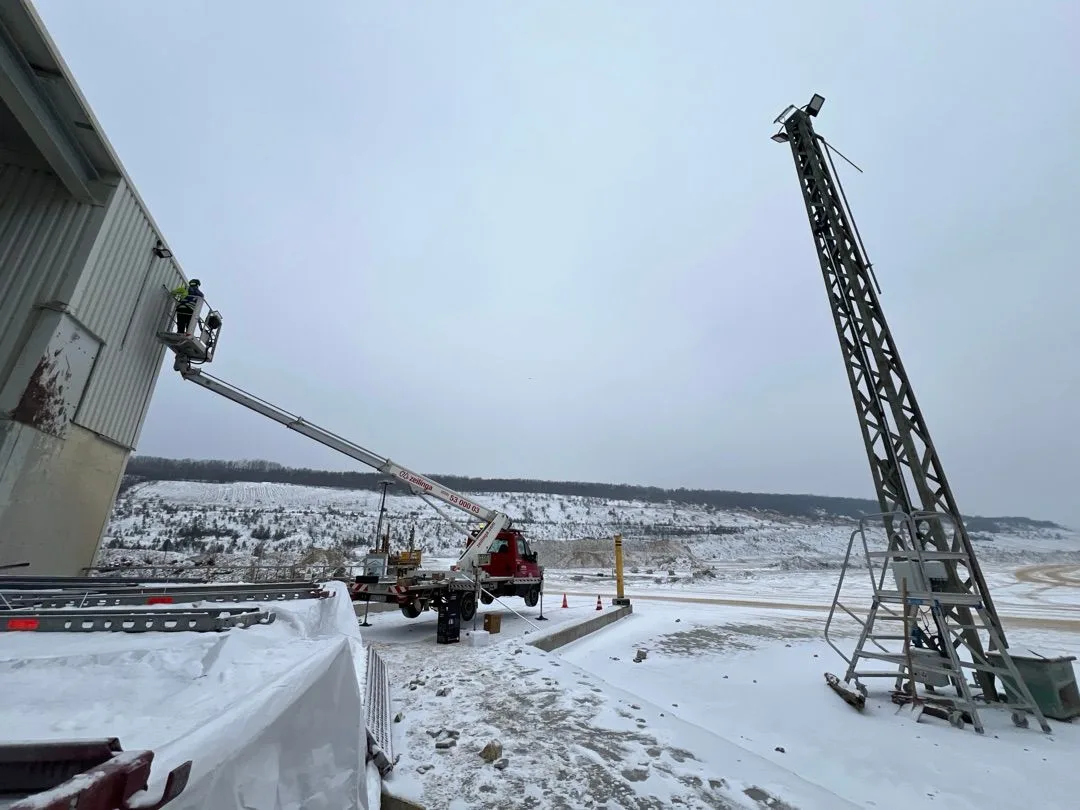
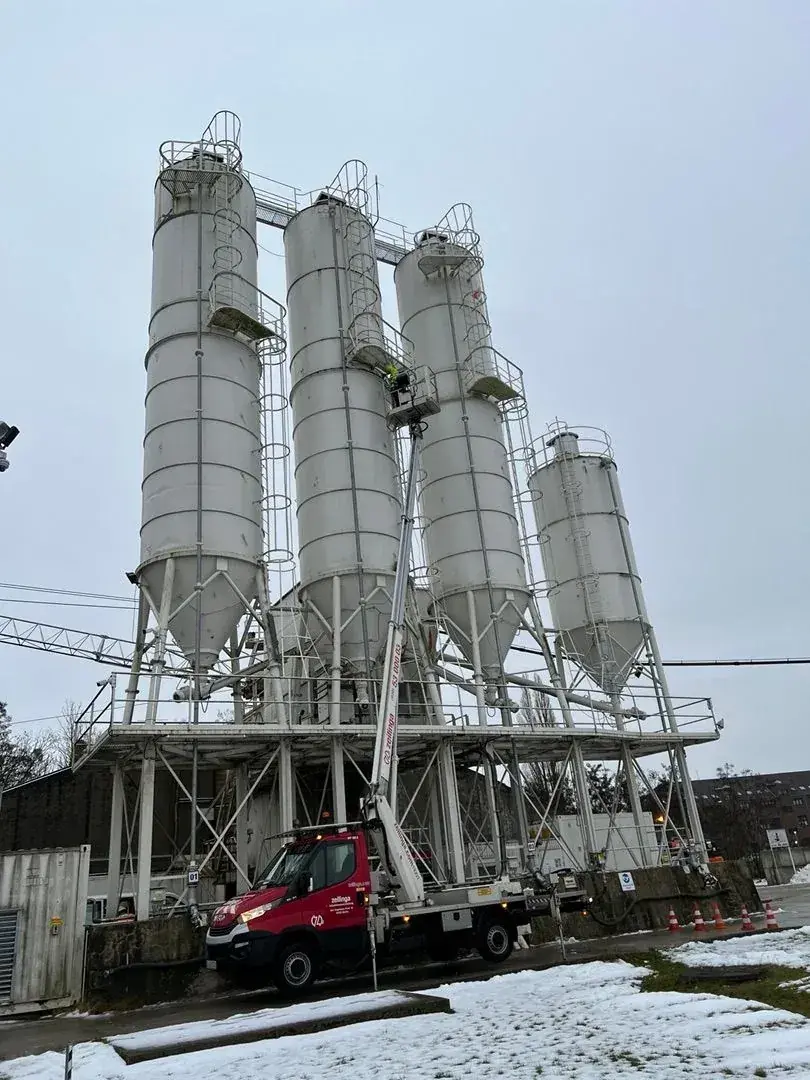
The cameras were installed at strategically important points to avoid dead angles. These include access roads, loading areas, storage areas, and sensitive transition zones. Proper installation at high altitude and in some cases in exposed locations requires not only the appropriate equipment but also experience in industrial installation.
Structured cabling and network connectivity
To ensure that the high-resolution video streams from the numerous cameras arrive at the central location without delay, a powerful network infrastructure was built. We ensure a clean routing of the cables and the secure transmission of data, so that the system can operate stably even under high load.
Setting up the central monitoring solution
The centerpiece of the project is the configuration of the Hikvision surveillance software. Here, all the cameras were unified, views were optimized for security personnel, and recording rules were defined. The intuitive user interface allows the CEMEX management team to quickly switch between live images or search specifically for events in the past.
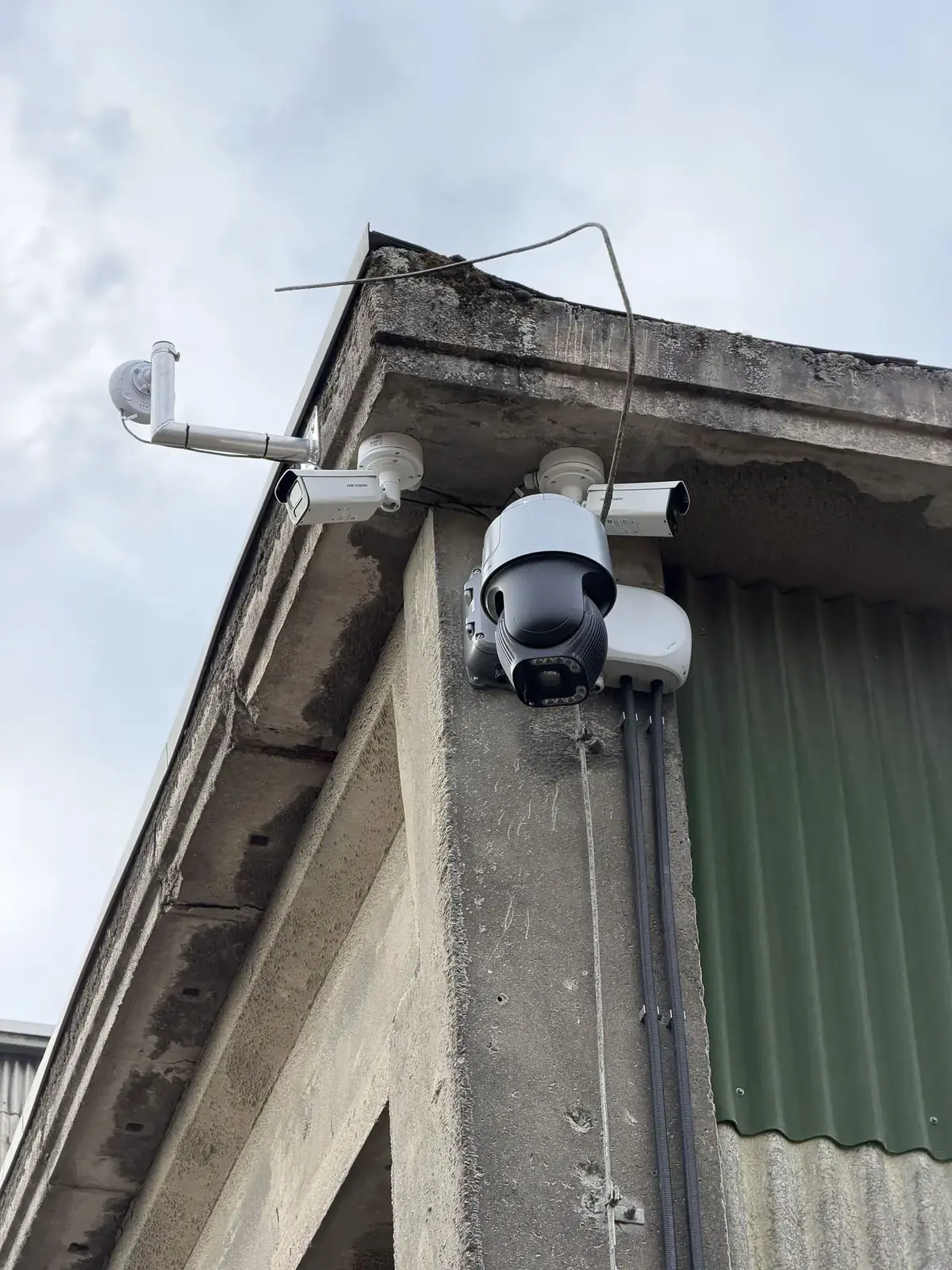
Benefits for the location: Security and efficiency
Through the combination of Hikvision camera technology and the professional installation by the GRAEF Group CEMEX benefits from numerous advantages:
- Prevention: Visible cameras deter unauthorized individuals and reduce the risk of theft or vandalism.
- Process optimization: Operations on the site can be coordinated remotely, which increases efficiency in factory operations.
- Proof of evidence: In the event of accidents or property damage, the high-resolution recordings provide clear facts for clarifying the situation.
- Central control: All safety-related information is gathered in one place, which reduces response times.
GRAEF Group: Your partner for industrial video surveillance
The expansion of video surveillance at CEMEX highlights our expertise in securing complex industrial facilities. The GRAEF Group offers you everything from planning to installation Assembly and wiring up to the Installation and maintenance Everything from Hikvision Systems in one place.
We understand the specific challenges of industrial sites and develop customized solutions that perfectly combine technology and operational processes. If you want to secure your facility with modern video technology, we are at your side with our experience and expertise.
Contributions from the practical experience of our installers, project managers and software developers. The group is led by founder Peter Gräf, a DGuSV-certified expert in security technology.
Our team

 German
 English