
Videoüberwachung am Arbeitsplatz: Was erlaubt ist und was nicht
Erfahren Sie, was bei der Videoüberwachung am Arbeitsplatz erlaubt ist und was nicht. Rechtliche Grundlagen klar erklärt.
Grundlagen der Videoüberwachung am Arbeitsplatz
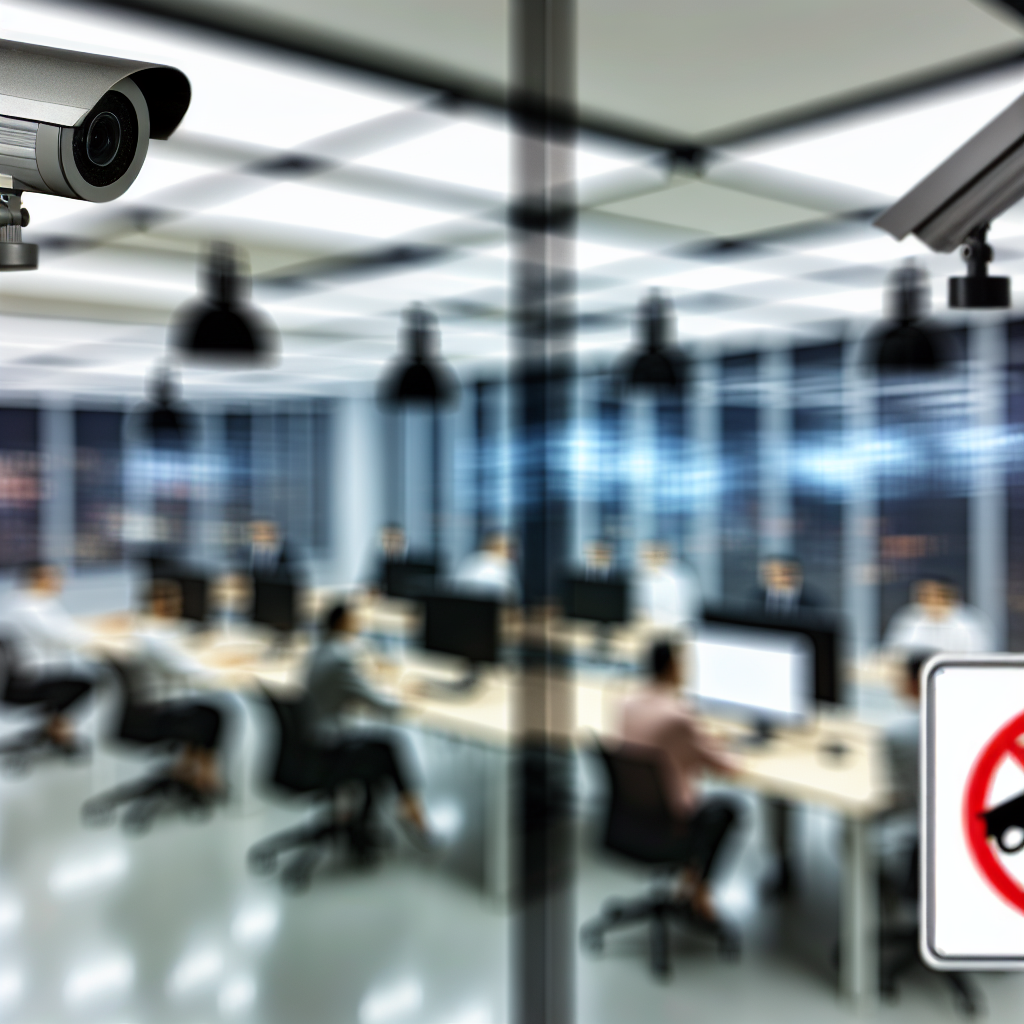
Die Videoüberwachung am Arbeitsplatz ist ein Thema, das sowohl Arbeitgeber als auch Arbeitnehmer betrifft. In Deutschland ist der Einsatz von Überwachungskameras am Arbeitsplatz durch das Bundesdatenschutzgesetz (BDSG) sowie die Datenschutz-Grundverordnung (DSGVO) streng reguliert. Diese Gesetze stellen sicher, dass die Privatsphäre der Mitarbeiter geschützt wird, während gleichzeitig die Sicherheitsinteressen des Unternehmens gewahrt bleiben.
Hinweis zu AI-generierten Inhalten: Die Inhalte dieses Blogs werden mithilfe fortschrittlicher künstlicher Intelligenz erstellt. Obwohl wir uns bemühen, Ihnen stets präzise und nützliche Informationen zu bieten, kann es vorkommen, dass Fragen oder Unklarheiten bestehen bleiben. In solchen Fällen stehen Ihnen unsere Experten gerne zur Verfügung. Zögern Sie nicht, uns über die unten aufgeführten Kontaktmöglichkeiten zu erreichen. Unsere Spezialisten sind wahre Kenner ihres Fachs und helfen Ihnen gerne weiter!

Kontaktmöglichkeiten:

Feedback-Formular: Formular Ausfüllen
E-Mail: vertrieb@graef-gruppe.de
Telefon: +493069202294
Wir freuen uns auf Ihre Rückfragen und darauf, Ihnen bei jedem Anliegen behilflich zu sein!
Was ist erlaubt?
Die Installation von Überwachungskameras ist grundsätzlich nur dann zulässig, wenn sie zur Erfüllung spezifischer, legitimer Unternehmensziele dient. Dazu zählen beispielsweise:
- Schutz vor Diebstahl oder Sabotage
- Sicherheit von Mitarbeitern und Besuchern
- Kontrolle von Produktionsprozessen
Die Videoüberwachung muss jedoch verhältnismäßig sein. Das bedeutet, dass sie nur in Bereichen eingesetzt werden darf, in denen es keine weniger eingreifenden Mittel zur Zielerreichung gibt. Zudem müssen die Mitarbeiter über die Überwachung informiert werden.
Was ist nicht erlaubt?
Der Einsatz von Überwachungskameras zur Kontrolle der Leistung oder des Verhaltens der Mitarbeiter ohne deren Wissen ist in der Regel unzulässig. Ebenso ist die permanente Überwachung von bestimmten Bereichen wie Pausenräumen oder Umkleidekabinen, in denen die Mitarbeiter ein erhöhtes Bedürfnis nach Privatsphäre haben, nicht gestattet.
Beispiele aus der Praxis
Ein bekanntes Beispiel für die Auseinandersetzung mit der Videoüberwachung am Arbeitsplatz war der Fall eines Einzelhandelsunternehmens, das seine Mitarbeiter ohne deren Wissen überwachte. Das Unternehmen wurde zu einer hohen Geldstrafe verurteilt, da es gegen die Datenschutzbestimmungen verstoßen hatte. Ein weiteres Beispiel ist ein Produktionsbetrieb, der Kameras zur Überwachung von Maschinen einsetzte, um die Sicherheit am Arbeitsplatz zu erhöhen. Hier wurde die Maßnahme als zulässig erachtet, da sie ausschließlich dem Schutz der Mitarbeiter diente und transparent kommuniziert wurde.
Weitere Überlegungen zur Videoüberwachung am Arbeitsplatz
Unternehmen, die Videoüberwachung am Arbeitsplatz einsetzen möchten, sollten stets die rechtlichen Rahmenbedingungen beachten und die Maßnahmen sorgfältig planen. Es empfiehlt sich, frühzeitig einen Datenschutzbeauftragten einzubeziehen und die Mitarbeiter umfassend über die geplanten Maßnahmen zu informieren.
Abschließende Gedanken zur Videoüberwachung am Arbeitsplatz
Die Videoüberwachung am Arbeitsplatz kann ein nützliches Werkzeug für Unternehmen sein, um Sicherheit und Effizienz zu erhöhen. Jedoch muss sie im Einklang mit den gesetzlichen Datenschutzvorschriften stehen und ethisch vertretbar sein. Eine offene Kommunikation und Transparenz gegenüber den Mitarbeitern sind dabei unerlässlich, um Vertrauen zu schaffen und rechtliche Risiken zu minimieren.