
Effizienzsteigerung durch LWL-Spleißarbeiten: Glasfaserinstallationen auf dem neuesten Stand
Die Welt der Telekommunikation ist in ständiger Bewegung und Entwicklung. Eine der neuesten und effizientesten Technologien in diesem Bereich sind Glasfaserinstallationen. Durch die Verwendung von Lichtwellenleitern (LWL) und speziellen Spleißarbeiten können Daten mit Lichtgeschwindigkeit übertragen werden. Dieser Artikel wird die Effizienzsteigerung durch LWL-Spleißarbeiten und den aktuellen Stand der Glasfaserinstallationen beleuchten.
Was sind LWL-Spleißarbeiten?
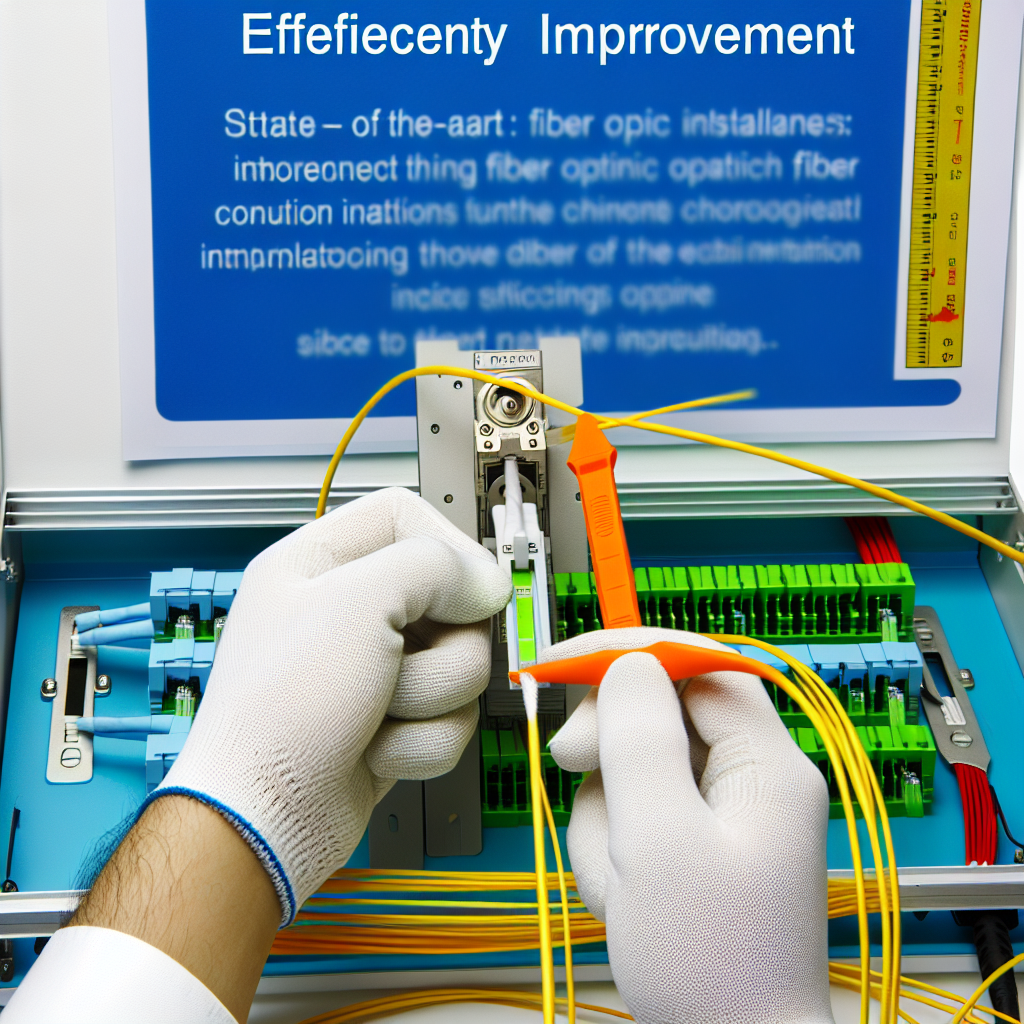
LWL-Spleißarbeiten sind ein wesentlicher Bestandteil der Installation von Glasfasernetzen. Sie beziehen sich auf den Prozess, bei dem zwei Glasfasern miteinander verbunden werden, um eine kontinuierliche Lichtwellenleitung zu schaffen. Dieser Prozess erfordert Präzision und Fachwissen, um sicherzustellen, dass die Datenübertragung effizient und ohne Unterbrechungen erfolgt.
Effizienzsteigerung durch LWL-Spleißarbeiten
Die Verwendung von LWL-Spleißarbeiten in Glasfaserinstallationen bietet eine Reihe von Vorteilen, die zu einer erheblichen Effizienzsteigerung führen. Einige dieser Vorteile sind:
- Geschwindigkeit: Glasfaserkabel können Daten mit Lichtgeschwindigkeit übertragen, was sie zu einer der schnellsten verfügbaren Datenübertragungstechnologien macht.
- Bandbreite: Glasfaserkabel haben eine viel höhere Bandbreite als herkömmliche Kupferkabel. Dies bedeutet, dass sie mehr Daten gleichzeitig übertragen können, was zu einer effizienteren Nutzung der Netzwerkressourcen führt.
- Zuverlässigkeit: Durch die Verwendung von LWL-Spleißarbeiten können Glasfaserkabel so installiert werden, dass sie weniger anfällig für Störungen und Ausfälle sind. Dies führt zu einer höheren Zuverlässigkeit und Effizienz des Netzwerks.
Glasfaserinstallationen auf dem neuesten Stand
Die Technologie der Glasfaserinstallationen entwickelt sich ständig weiter, um die Effizienz und Leistungsfähigkeit der Netzwerke zu verbessern. Einige der neuesten Entwicklungen in diesem Bereich sind die Verwendung von Multi-Core-Glasfasern und die Einführung von optischen Verstärkern.
Multi-Core-Glasfasern sind eine neue Art von Glasfaserkabel, die mehrere Lichtwellenleiter in einem einzigen Kabel enthalten. Dies ermöglicht eine noch höhere Datenübertragungsrate und eine effizientere Nutzung der Netzwerkressourcen.
Optische Verstärker sind Geräte, die das Signal in einem Glasfaserkabel verstärken, ohne es in elektrische Signale umwandeln zu müssen. Dies führt zu einer geringeren Signalverzögerung und einer höheren Datenübertragungsrate.
Spleißarbeiten LWL: Ein Schlüssel zur Effizienzsteigerung
Die LWL-Spleißarbeiten spielen eine entscheidende Rolle bei der Effizienzsteigerung in Glasfaserinstallationen. Durch die präzise Verbindung von Glasfasern können Daten mit maximaler Geschwindigkeit und minimalen Unterbrechungen übertragen werden. Darüber hinaus ermöglichen die neuesten Entwicklungen in der Glasfasertechnologie eine noch effizientere Nutzung der Netzwerkressourcen.
Ein Beispiel für die Effizienzsteigerung durch LWL-Spleißarbeiten ist das Projekt „Gigabit City“ in der Stadt Bristol in Großbritannien. Durch den Einsatz von Glasfaserkabeln und LWL-Spleißarbeiten konnte die Stadt eine Internetgeschwindigkeit von 1 Gigabit pro Sekunde erreichen, was eine erhebliche Verbesserung gegenüber den bisherigen Geschwindigkeiten darstellt.
Zusammenfassend lässt sich sagen, dass LWL-Spleißarbeiten und Glasfaserinstallationen auf dem neuesten Stand eine Schlüsselrolle bei der Steigerung der Effizienz in der Telekommunikationsbranche spielen. Durch die kontinuierliche Weiterentwicklung dieser Technologien können wir in Zukunft noch schnellere und zuverlässigere Netzwerke erwarten.