
Door access control: Modern systems for more security
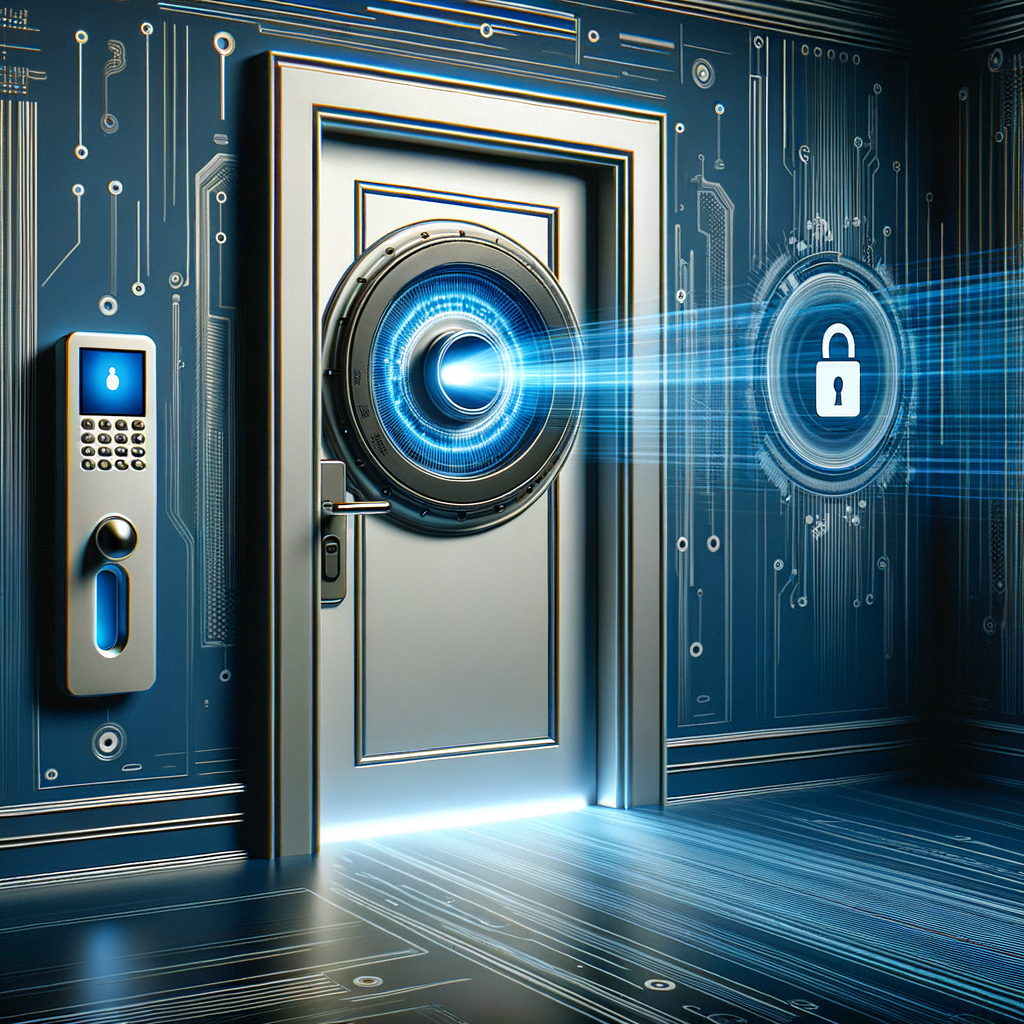
In an increasingly insecure world, door access control is becoming more and more important. Whether for private or business use, modern systems offer a wide range of options for securing access and ensuring convenience at the same time. Companies and private individuals alike rely on innovative solutions to protect their premises from unauthorized access. But what makes an effective access control system and what technologies are available? This article looks at the various aspects of modern door access control systems and shows how they can help to increase security.
Note on AI-generated content: The content of this blog is created with the help of advanced artificial intelligence. Although we strive to always provide you with accurate and useful information, questions or ambiguities may remain. In such cases, our experts will be happy to help you. Please do not hesitate to contact us using the details below. Our specialists are true experts in their field and will be happy to help you!

Contact options:

 Feedback form: Fill out the form
Email: vertrieb@graef-gruppe.de
Phone: +493069202294
We look forward to your queries and to helping you with any concerns you may have!
Access control systems: an overview
Access control systems have evolved considerably in recent years. Where simple locks were once sufficient, electronic systems are now used that are far more flexible and secure. The most common technologies are
- RFID technology: Many companies use RFID-based systems as they enable contactless identification. Users can gain access via cards or key fobs.
- Biometric systems: Fingerprint scanners, facial recognition and iris scanners offer maximum security, as biometric features are difficult to falsify.
- Number codes: These systems are easy to install and use. However, there is a risk that codes can be passed on or simply guessed.
Practical application examples
One impressive example of the effectiveness of modern access control is its use in airports. Here, sophisticated systems are used to control both staff and passengers while ensuring smooth operations. In office buildings, too, many companies rely on complex systems that control access according to department or level.
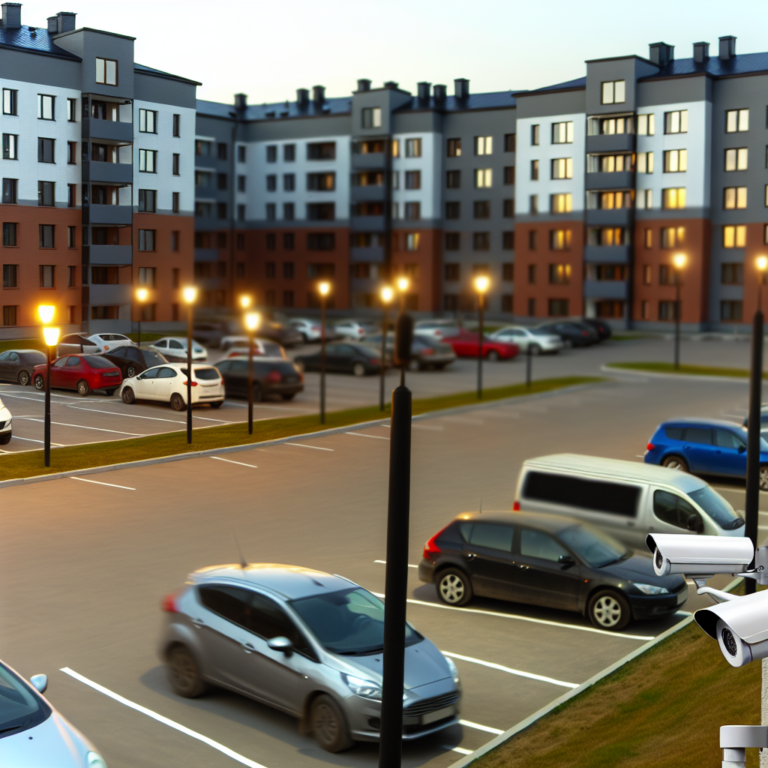
Another example is the use in residential complexes. Modern door access control systems enable residents to control access securely and also ensure that physical keys no longer need to be used. This minimizes the risk of loss and increases convenience.
According to a study by MarketWatch, the global market for access control solutions is growing by around 9% annually. This shows how much confidence there is in these technologies. In addition, a survey by IFSEC Global revealed that over 60% of the companies surveyed plan to modernize their access control systems in the next few years in order to meet increasing security requirements.
Advantages of modern systems
The advantages of modern door access control systems are obvious:
- Increased security: By using biometric data, companies can ensure that only authorized persons are granted access.
- Flexibility and convenience: Users can flexibly decide who gets access and when, without having to manage physical keys.
- Cost efficiency: In the long term, resources can be saved by avoiding key loss and simple administration.
In summary, it can be said that modern door access control systems both increase security and improve convenience. Whether in a private environment or in large companies, the integration of such systems offers numerous advantages and plays a decisive role in day-to-day security management. Continuous technological development also promises even more effective and user-friendly solutions in the future.