
Lichtwellenleiterkabel: Effiziente Netzwerklösungen
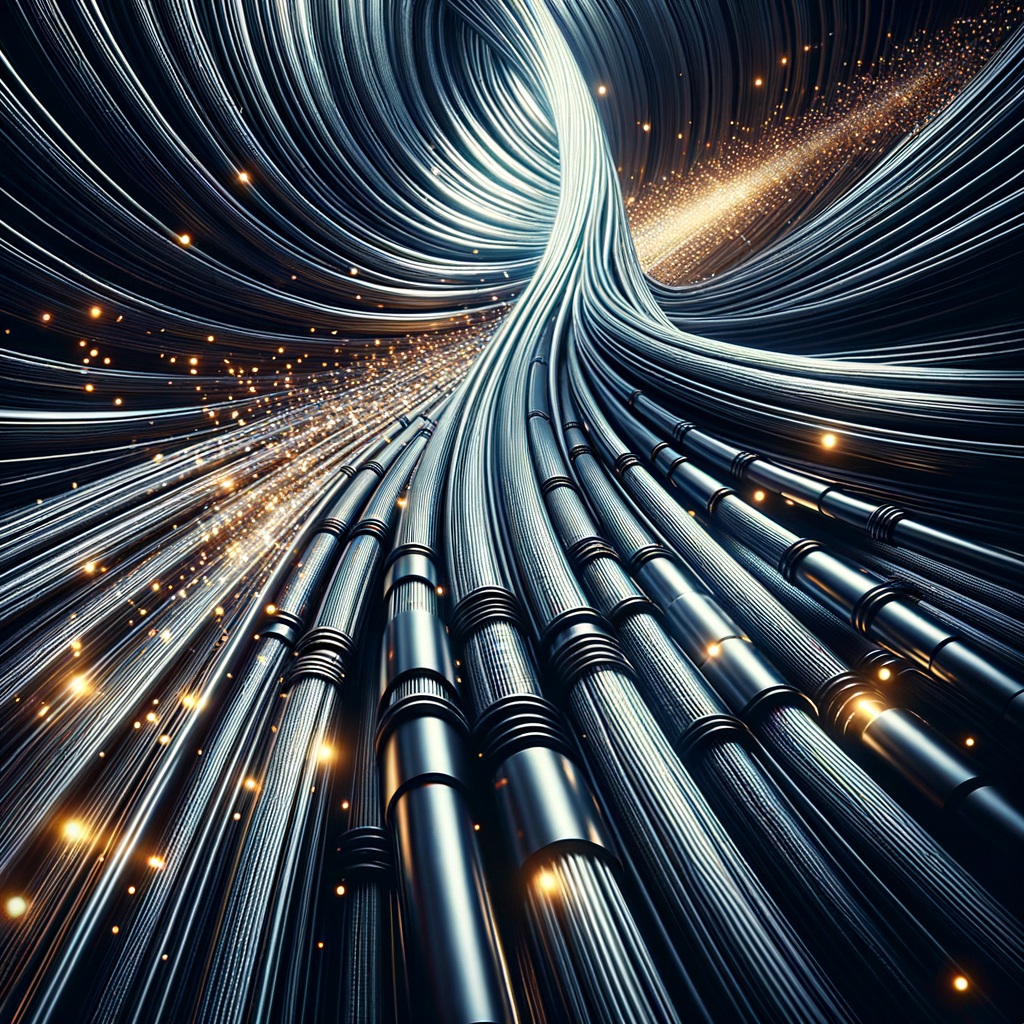
Lichtwellenleiterkabel sind mittlerweile unverzichtbar in unserer zunehmend digitalisierten Welt. Dank ihrer hohen Übertragungsraten und Zuverlässigkeit werden sie sowohl in privaten als auch in geschäftlichen Netzwerken immer beliebter. Diese Kabel, auch bekannt als Glasfaserkabel, ermöglichen es, Daten über große Entfernungen schnell und effizient zu übertragen. Dadurch sind sie eine ideale Lösung für moderne Netzwerkanforderungen. Aber warum genau sind Lichtwellenleiterkabel so effizient, und welche Vorteile bieten sie im Vergleich zu herkömmlichen Kupferkabeln?
Hinweis zu AI-generierten Inhalten: Die Inhalte dieses Blogs werden mithilfe fortschrittlicher künstlicher Intelligenz erstellt. Obwohl wir uns bemühen, Ihnen stets präzise und nützliche Informationen zu bieten, kann es vorkommen, dass Fragen oder Unklarheiten bestehen bleiben. In solchen Fällen stehen Ihnen unsere Experten gerne zur Verfügung. Zögern Sie nicht, uns über die unten aufgeführten Kontaktmöglichkeiten zu erreichen. Unsere Spezialisten sind wahre Kenner ihres Fachs und helfen Ihnen gerne weiter!

Kontaktmöglichkeiten:

Feedback-Formular: Formular Ausfüllen
E-Mail: vertrieb@graef-gruppe.de
Telefon: +493069202294
Wir freuen uns auf Ihre Rückfragen und darauf, Ihnen bei jedem Anliegen behilflich zu sein!
Lichtwellenleiterkabel: Die Technik hinter der Effizienz
Bei Lichtwellenleiterkabeln handelt es sich um Kabel, die Licht zur Übertragung von Informationen verwenden. Ihre Kernkomponente, die Glasfaser, kann Daten in Form von Lichtimpulsen über extreme Distanzen senden, ohne die Signalqualität zu beeinträchtigen.
– Hochgeschwindigkeitsübertragung: Die Fähigkeit, enorme Datenmengen in kürzester Zeit zu übertragen, macht Lichtwellenleiterkabel zur idealen Wahl für Hochleistungsnetzwerke.
– Geringe Signalverluste: Im Vergleich zu Kupferkabeln sind die Signalverluste bei Glasfasern minimal, was die Übertragung über weite Strecken ohne Verstärker ermöglicht.
– Keine elektromagnetische Störung: Lichtwellenleiter sind immun gegen elektromagnetische Störungen, was einen störungsfreien Datenfluss garantiert.
Vorteile von Lichtwellenleiterkabeln in der Praxis
Der Einsatz von Lichtwellenleiterkabeln in verschiedenen Branchen zeigt deutlich, wie sie die Effizienz von Netzwerken steigern.
– Unternehmen und Rechenzentren: Große Konzerne und Rechenzentren setzen auf Glasfasern, um Serverräume mit maximaler Bandbreite auszurüsten. Ein Beispiel ist Google, das Lichtwellenleiter nutzt, um zwischen Datenzentren in verschiedenen Ländern zu kommunizieren.
– Telekommunikation: Die Mobilfunk- und Breitbandanbieter verwenden diese Kabel, um Netzwerke zu errichten, die hohen Datenverkehr ohne Verzögerungen bewältigen können.
– Privatanwendungen: Auch im privaten Bereich setzen immer mehr Haushalte auf Lichtwellenleiter, um Internetverbindungen mit extrem hohen Geschwindigkeiten zu genießen.
Statistiken zeigen, dass die Nachfrage nach Lichtwellenleiterkabeln jährlich um über 10% wächst, was die steigende Bedeutung in unserer vernetzten Welt unterstreicht.
Herausforderungen und Weiterentwicklungen
Trotz ihrer zahlreichen Vorteile stehen Lichtwellenleiterkabel auch vor einigen Herausforderungen.
– Kosten: Ein Nachteil der Lichtwellenleiterkabel sind die hohen Installationskosten im Vergleich zu Kupferkabeln.
– Komplexität der Installation: Die präzise Installation erfordert spezialisierte Techniker, was die anfänglichen Kosten weiter in die Höhe treiben kann.
Dennoch arbeiten Forscher kontinuierlich an der Weiterentwicklung dieser Technologie, um sie kostengünstiger und zugänglicher zu machen. Neue Materialien und Herstellungsprozesse versprechen, die Effizienz und Verfügbarkeit von Glasfasern in naher Zukunft weiter zu steigern.
Zusammenfassend bieten Lichtwellenleiterkabel eine außergewöhnliche Lösung für moderne Netzwerkanforderungen. Ihre Fähigkeit, enorme Datenmengen über große Entfernungen zuverlässig zu transportieren, macht sie zur bevorzugten Wahl für Unternehmen, Telekommunikationsanbieter und Privatanwender. Trotz der anfänglichen Herausforderungen in Bezug auf Kosten und Installation bleibt ihr Potenzial unbestritten, und ihre zunehmende Verbreitung ist ein Beleg für ihre Effektivität und Zukunftssicherheit.