

Spleißen von LWL-Kabeln: Präzision und Zuverlässigkeit für Ihre Netzwerke
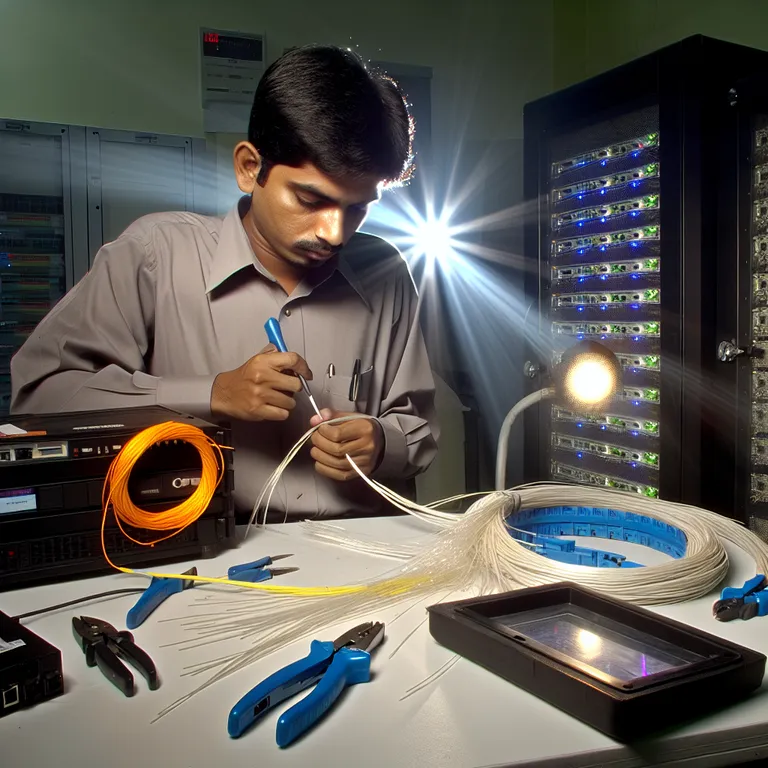
Die Technologie hat sich in den letzten Jahrzehnten rasant entwickelt und die Art und Weise, wie wir kommunizieren, grundlegend verändert. Ein wichtiger Aspekt dieser Entwicklung ist die Verwendung von Lichtwellenleitern (LWL) in Netzwerken. LWL-Kabel bieten eine hohe Bandbreite und ermöglichen die Übertragung von Daten über große Entfernungen. Ein entscheidender Schritt bei der Installation und Wartung von LWL-Netzwerken ist das Spleißen von LWL-Kabeln. Dieser Prozess erfordert Präzision und Zuverlässigkeit, um eine optimale Leistung zu gewährleisten.
Was bedeutet Spleißen von LWL-Kabeln?
Spleißen von LWL-Kabeln bezieht sich auf den Prozess, bei dem zwei LWL-Kabel miteinander verbunden werden. Dies kann entweder durch Verschmelzen (Fusionsspleißen) oder durch mechanisches Spleißen erfolgen. Beim Fusionsspleißen werden die Kabelenden erhitzt und miteinander verschmolzen, während beim mechanischen Spleißen die Kabelenden mechanisch miteinander verbunden werden. Beide Methoden erfordern Präzision und Zuverlässigkeit, um eine effiziente Datenübertragung zu gewährleisten.
Warum ist Präzision beim Spleißen von LWL-Kabeln wichtig?
Die Präzision beim Spleißen von LWL-Kabeln ist von entscheidender Bedeutung, da selbst kleinste Fehler die Leistung des Kabels beeinträchtigen können. Ein unsachgemäß gespleißtes Kabel kann zu Signalverlusten führen, die die Datenübertragung beeinträchtigen. Darüber hinaus kann ein unsachgemäß gespleißtes Kabel auch die Lebensdauer des Kabels verkürzen. Daher ist es wichtig, dass das Spleißen von LWL-Kabeln mit größter Sorgfalt und Präzision durchgeführt wird.
Die Rolle der Zuverlässigkeit beim Spleißen von LWL-Kabeln
Die Zuverlässigkeit ist ein weiterer wichtiger Aspekt beim Spleißen von LWL-Kabeln. Ein zuverlässig gespleißtes Kabel gewährleistet eine konstante und effiziente Datenübertragung. Dies ist besonders wichtig in Netzwerken, die auf eine kontinuierliche Datenübertragung angewiesen sind, wie z.B. in Telekommunikationsnetzwerken oder in Netzwerken für kritische Infrastrukturen. Ein zuverlässig gespleißtes Kabel trägt auch zur Langlebigkeit des Kabels bei und reduziert die Notwendigkeit von Wartungsarbeiten.
Beispiele für die Bedeutung von Präzision und Zuverlässigkeit beim Spleißen von LWL-Kabeln
Ein gutes Beispiel für die Bedeutung von Präzision und Zuverlässigkeit beim Spleißen von LWL-Kabeln ist das Telekommunikationsnetzwerk. In diesen Netzwerken werden täglich riesige Mengen an Daten übertragen. Ein unsachgemäß gespleißtes Kabel kann zu erheblichen Signalverlusten führen, die die Qualität der Datenübertragung beeinträchtigen und zu Unterbrechungen im Netzwerkbetrieb führen können.
Ein weiteres Beispiel ist das Netzwerk für kritische Infrastrukturen, wie z.B. Stromnetze. In diesen Netzwerken ist eine kontinuierliche Datenübertragung von entscheidender Bedeutung. Ein unsachgemäß gespleißtes Kabel kann zu Unterbrechungen in der Datenübertragung führen, die schwerwiegende Folgen haben können.
Spleißen von LWL-Kabeln: Präzision und Zuverlässigkeit für Ihre Netzwerke
Zusammenfassend lässt sich sagen, dass das Spleißen von LWL-Kabeln ein wichtiger Prozess ist, der Präzision und Zuverlässigkeit erfordert. Ein korrekt gespleißtes Kabel gewährleistet eine effiziente Datenübertragung und trägt zur Langlebigkeit des Kabels bei. Daher ist es wichtig, dass das Spleißen von LWL-Kabeln von qualifizierten Fachleuten durchgeführt wird, die über das notwendige Wissen und die erforderlichen Fähigkeiten verfügen, um den Prozess korrekt durchzuführen.