
Smart City Berlin: Wie die GRAEF Gruppe mit KiwiVision und Genetec die Zukunft der urbanen Mobilität gestaltet
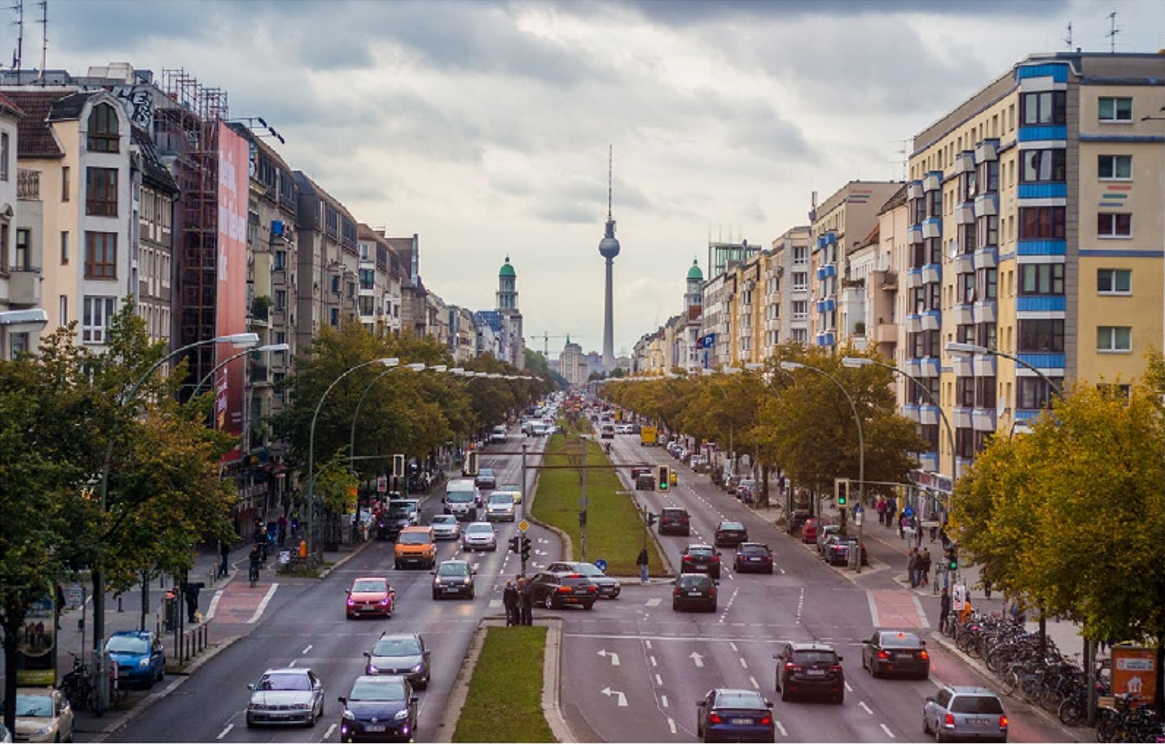
Die GRAEF Gruppe hat erneut ihre Kompetenz im Bereich Sicherheitstechnik, Videoanalyse und Smart-City-Lösungen unter Beweis gestellt. Im Rahmen des prestigeträchtigen Projektes „Smart City Berlin“ wurde unser Unternehmen mit der Implementierung modernster Video- und Analyse-Technologie betraut. Ziel des Projektes ist es, den innerstädtischen Verkehr in Berlin smarter, sicherer und nachhaltiger zu gestalten – und dabei höchste Datenschutzstandards einzuhalten.
Digitale Transformation für den Verkehr der Zukunft
Am Ernst-Reuther-Platz und entlang der Straße des 17. Juni wurden zahlreiche Kameras und Sensoren installiert, die in Echtzeit Daten zu Verkehrsdichte, Straßenzustand, Parkplatzbelegung, Ampelschaltungen und Wetterbedingungen erfassen. Diese Daten bilden die Grundlage für KI-gestützte Modelle, die eine präzise Verkehrsflussoptimierung ermöglichen.
Besonderer Fokus liegt auf dem Schutz der Privatsphäre: Mit der KiwiVision™ Software von Genetec werden alle gesammelten Daten anonymisiert, sodass weder Gesichter noch Kfz-Kennzeichen identifiziert werden können. Damit erfüllt das System sämtliche Anforderungen der DSGVO und des deutschen Datenschutzgesetzes.
Die Rolle der GRAEF Gruppe
Als offizieller Genetec Partner hat die GRAEF Gruppe die gesamte Beratung, Planung, Installation und Wartung übernommen. Unser Team sorgte dafür, dass die Hardware- und Softwarekomponenten perfekt integriert wurden.
Dank unserer langjährigen Erfahrung mit Videoüberwachung, Zutrittskontrollsystemen und IoT-Integrationen konnten wir eine Lösung liefern, die technisch auf höchstem Niveau arbeitet und gleichzeitig alle rechtlichen Auflagen erfüllt.
KiwiVision: Präzise, sichere und DSGVO-konforme Videoanalyse
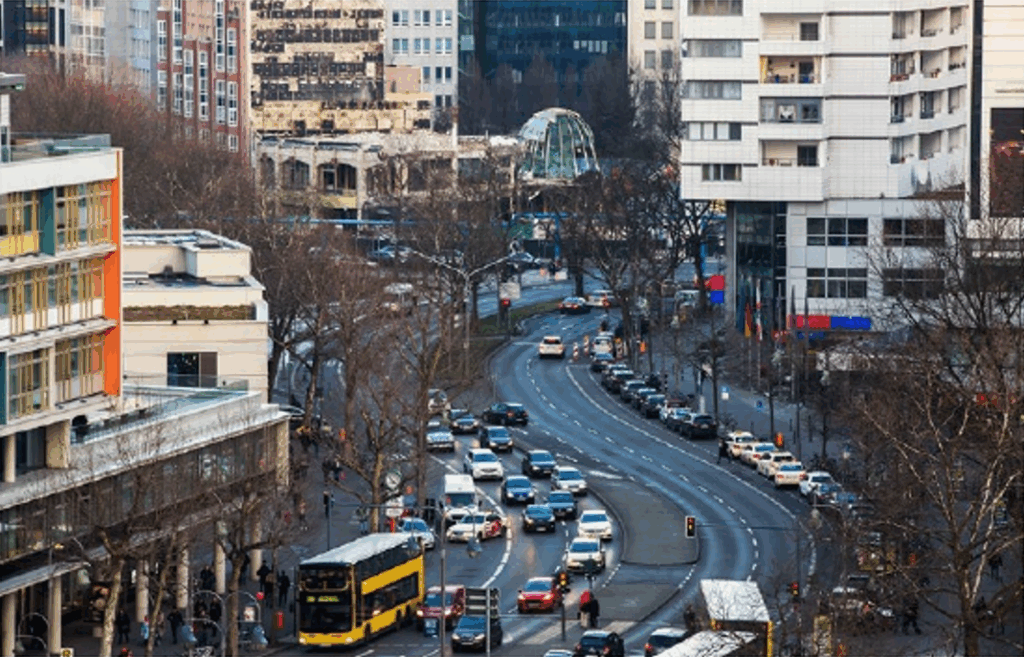
Die KiwiVision Videoanalyse ist das Herzstück des Projektes. Sie erkennt und kategorisiert alle Verkehrsteilnehmer, von PKWs über LKWs bis hin zu Fußgängern und Radfahrern. Durch die Anonymisierung in Echtzeit werden aus Menschen und Fahrzeugen Symbole – es gibt keine Möglichkeit zur nachträglichen Identifikation.
Diese Technologie erlaubt es den Forschern, genaue Simulationen des Verkehrsaufkommens durchzuführen, um zukünftige Szenarien für autonomes Fahren (Level 5), intelligente Ampelschaltungen und Umweltentlastung zu testen.
Nutzen für Forschung, Städte und Bürger
Mit dieser Lösung werden nicht nur wissenschaftliche Daten gesammelt, sondern auch die Grundlage für zukunftsfähige urbane Mobilität geschaffen:
- Besserer Verkehrsfluss dank intelligenter Ampelsteuerung
- Vorhersage von Parkplatzverfügbarkeiten in Echtzeit
- Frühwarnsysteme für Straßenbedingungen (z. B. Eis, Glätte, Unfälle)
- Grundlage für autonomes Fahren auf Level 5
Die Stadt Berlin zeigt damit, wie Digitalisierung und Datenschutz Hand in Hand gehen können – und die GRAEF Gruppe war ein entscheidender Partner bei der Umsetzung.
Zukunftsprojekte und Ausblick
Das Projekt Smart City Berlin ist erst der Anfang. Bereits jetzt sind neue Initiativen in Vorbereitung, u. a. im Bereich 5G-Mobilkommunikation und autonomes Fahren. Auch hier wird die GRAEF Gruppe wieder eine zentrale Rolle spielen, um innovative Technologien zuverlässig und DSGVO-konform in die Praxis zu bringen.