
Cybersicherheit im Krankenhaus: Schutz sensibler Patientendaten vor Cyberangriffen
Cybersicherheit im Krankenhaus: Schutz sensibler Patientendaten vor Cyberangriffen durch moderne IT-Sicherheitslösungen und gezielte Präventionsmaßnahmen.
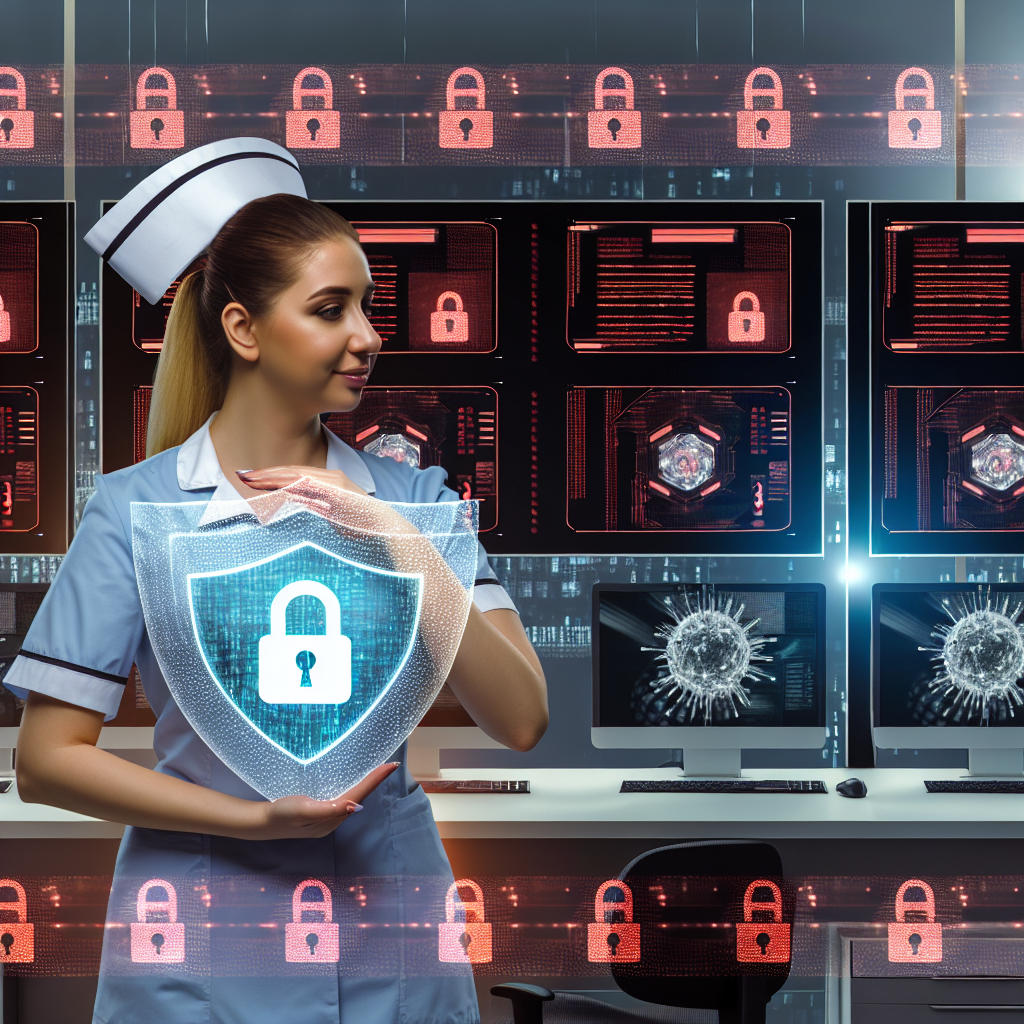
Digitale Bedrohungen im Gesundheitswesen: Eine wachsende Gefahr
Die Digitalisierung hat das Gesundheitswesen revolutioniert. Elektronische Patientenakten, vernetzte Medizingeräte und digitale Kommunikation zwischen Ärzten und Patienten bieten enorme Vorteile. Doch mit diesen Fortschritten steigt auch das Risiko von Cyberangriffen. Besonders Krankenhäuser stehen zunehmend im Fokus von Hackern, da sie über hochsensible Daten verfügen und oft unter enormem Zeitdruck arbeiten. Die Cybersicherheit im Krankenhaus ist daher ein zentrales Thema für den Schutz der Patientendaten und die Aufrechterhaltung des Klinikbetriebs.
Hinweis zu AI-generierten Inhalten: Die Inhalte dieses Blogs werden mithilfe fortschrittlicher künstlicher Intelligenz erstellt. Obwohl wir uns bemühen, Ihnen stets präzise und nützliche Informationen zu bieten, kann es vorkommen, dass Fragen oder Unklarheiten bestehen bleiben. In solchen Fällen stehen Ihnen unsere Experten gerne zur Verfügung. Zögern Sie nicht, uns über die unten aufgeführten Kontaktmöglichkeiten zu erreichen. Unsere Spezialisten sind wahre Kenner ihres Fachs und helfen Ihnen gerne weiter!

Kontaktmöglichkeiten:

Feedback-Formular: Formular Ausfüllen
E-Mail: vertrieb@graef-gruppe.de
Telefon: +493069202294
Wir freuen uns auf Ihre Rückfragen und darauf, Ihnen bei jedem Anliegen behilflich zu sein!
Warum Krankenhäuser ein beliebtes Ziel für Hacker sind
Krankenhäuser speichern eine Vielzahl sensibler Informationen: medizinische Diagnosen, Behandlungsverläufe, persönliche Daten und Versicherungsinformationen. Diese Daten sind auf dem Schwarzmarkt äußerst wertvoll. Zudem sind viele Kliniken nicht ausreichend gegen Cyberangriffe geschützt, was sie zu einem leichten Ziel macht.
Ein weiterer Faktor ist die Dringlichkeit medizinischer Versorgung. Wenn Systeme durch Ransomware blockiert werden, bleibt oft keine Zeit für langwierige Verhandlungen – Krankenhäuser zahlen häufig das geforderte Lösegeld, um den Betrieb schnell wiederherzustellen.
Der Ransomware-Angriff auf die Uniklinik Düsseldorf
Im September 2020 wurde die Universitätsklinik Düsseldorf Opfer eines Ransomware-Angriffs. Die IT-Systeme wurden lahmgelegt, Notaufnahmen mussten geschlossen und Patienten in andere Kliniken verlegt werden. Tragischerweise starb eine Patientin, weil sie nicht rechtzeitig behandelt werden konnte. Dieser Vorfall verdeutlicht, wie lebensbedrohlich Cyberangriffe auf Krankenhäuser sein können.
Häufige Angriffsarten auf Krankenhäuser
Cyberkriminelle nutzen verschiedene Methoden, um in Krankenhausnetzwerke einzudringen. Zu den häufigsten zählen:
- Phishing: Täuschende E-Mails verleiten Mitarbeitende dazu, schädliche Anhänge zu öffnen oder Zugangsdaten preiszugeben.
- Ransomware: Schadsoftware verschlüsselt Daten und fordert Lösegeld für die Entschlüsselung.
- Man-in-the-Middle-Angriffe: Hacker schleusen sich in die Kommunikation zwischen Geräten oder Nutzern ein.
- Exploits veralteter Software: Nicht aktualisierte Systeme bieten Einfallstore für Angreifer.
Strategien zur Verbesserung der Cybersicherheit im Krankenhaus
Um sich gegen Cyberangriffe zu wappnen, müssen Krankenhäuser umfassende Sicherheitsstrategien entwickeln. Dazu gehören sowohl technische als auch organisatorische Maßnahmen.
Technische Schutzmaßnahmen
- Firewall- und Antivirensysteme: Grundlegender Schutz vor bekannten Bedrohungen.
- Verschlüsselung: Sensible Daten sollten sowohl bei der Übertragung als auch bei der Speicherung verschlüsselt werden.
- Netzwerksegmentierung: Trennung kritischer Systeme vom restlichen Netzwerk erschwert Angriffe.
- Regelmäßige Updates: Sicherheitslücken in Software und Betriebssystemen müssen zeitnah geschlossen werden.
Organisatorische Maßnahmen
- Schulungen für Mitarbeitende: Aufklärung über Phishing und sichere Passwörter ist essenziell.
- Notfallpläne: Ein durchdachter Incident-Response-Plan hilft, im Ernstfall schnell zu reagieren.
- Externe Audits: Regelmäßige Sicherheitsüberprüfungen durch unabhängige Experten decken Schwachstellen auf.
Rechtliche Rahmenbedingungen und Datenschutz
In Deutschland regelt die Datenschutz-Grundverordnung (DSGVO) den Umgang mit personenbezogenen Daten. Für Krankenhäuser bedeutet das, dass sie besonders hohe Anforderungen an die Datensicherheit erfüllen müssen. Verstöße können nicht nur zu hohen Bußgeldern führen, sondern auch das Vertrauen der Patienten nachhaltig schädigen.
Zusätzlich verpflichtet das IT-Sicherheitsgesetz Betreiber kritischer Infrastrukturen – darunter auch viele Krankenhäuser – zu besonderen Sicherheitsvorkehrungen und Meldepflichten bei IT-Sicherheitsvorfällen.
Cybersicherheit im Krankenhaus: Schutz sensibler Patientendaten als oberste Priorität
Die Cybersicherheit im Krankenhaus ist längst keine rein technische Herausforderung mehr, sondern eine strategische Aufgabe für das gesamte Management. Der Schutz sensibler Patientendaten muss oberste Priorität haben – nicht nur aus rechtlichen Gründen, sondern auch im Interesse der Patientensicherheit.
Ein ganzheitlicher Ansatz, der Technik, Organisation und Schulung vereint, ist unerlässlich. Nur so können Krankenhäuser den wachsenden Bedrohungen aus dem Cyberspace wirksam begegnen. Die Investition in IT-Sicherheit ist dabei nicht nur ein Kostenfaktor, sondern eine Investition in das Vertrauen der Patienten und die Zukunftsfähigkeit des Gesundheitswesens.
Angesichts der zunehmenden Digitalisierung und der steigenden Zahl von Cyberangriffen ist es entscheidend, dass Krankenhäuser ihre Sicherheitsstrategien kontinuierlich überprüfen und anpassen. Denn nur wer vorbereitet ist, kann im Ernstfall schnell und effektiv reagieren – und so Leben retten.