
Sicherheitstechnik für Banken: Schutz sensibler Daten und Vermögenswerte
"Sicherheitstechnik für Banken: Gewährleisten Sie den Schutz sensibler Daten und Vermögenswerte mit modernster Bank-Sicherheitstechnik."
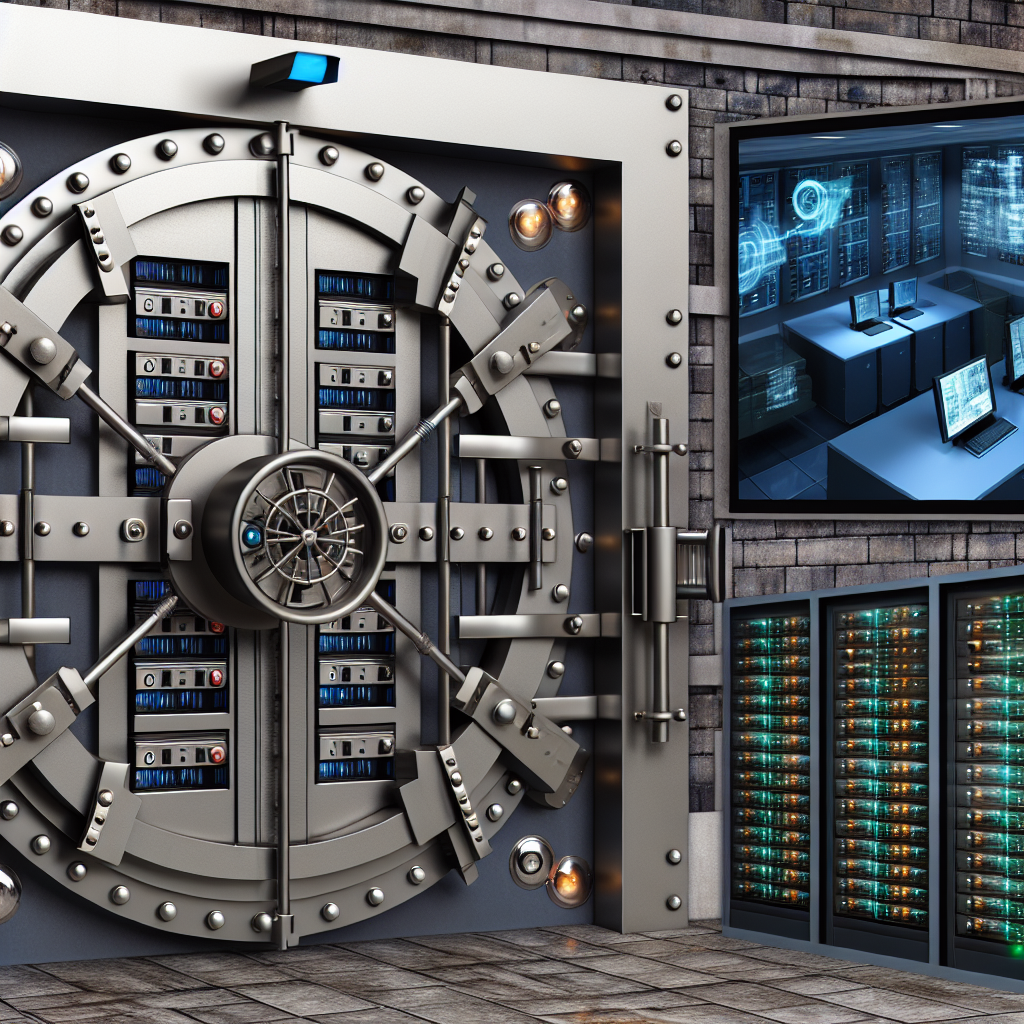
Die Sicherheitstechnik für Banken ist ein entscheidender Aspekt, um sensible Daten und Vermögenswerte zu schützen. Mit der zunehmenden Digitalisierung und dem Aufkommen von Cyberkriminalität ist es für Banken unerlässlich geworden, fortschrittliche Sicherheitstechnologien einzusetzen. In diesem Artikel werden wir uns mit den verschiedenen Aspekten der Bankensicherheitstechnik auseinandersetzen.
Hinweis zu AI-generierten Inhalten: Die Inhalte dieses Blogs werden mithilfe fortschrittlicher künstlicher Intelligenz erstellt. Obwohl wir uns bemühen, Ihnen stets präzise und nützliche Informationen zu bieten, kann es vorkommen, dass Fragen oder Unklarheiten bestehen bleiben. In solchen Fällen stehen Ihnen unsere Experten gerne zur Verfügung. Zögern Sie nicht, uns über die unten aufgeführten Kontaktmöglichkeiten zu erreichen. Unsere Spezialisten sind wahre Kenner ihres Fachs und helfen Ihnen gerne weiter!

Kontaktmöglichkeiten:

Feedback-Formular: Formular Ausfüllen
E-Mail: vertrieb@graef-gruppe.de
Telefon: +493069202294
Wir freuen uns auf Ihre Rückfragen und darauf, Ihnen bei jedem Anliegen behilflich zu sein!
Die Bedeutung der Sicherheitstechnik für Banken
Banken sind Institutionen, die eine große Menge an sensiblen Daten und Vermögenswerten verwalten. Daher ist es von größter Bedeutung, dass sie über robuste Sicherheitssysteme verfügen, um diese zu schützen. Die Sicherheitstechnik für Banken umfasst eine Vielzahl von Technologien und Praktiken, die dazu dienen, die Integrität, Vertraulichkeit und Verfügbarkeit von Daten und Vermögenswerten zu gewährleisten.
Die Herausforderungen bei der Sicherheitstechnik für Banken
Die größte Herausforderung für Banken besteht darin, sich gegen eine ständig wachsende und sich verändernde Bedrohungslandschaft zu schützen. Cyberkriminelle werden immer raffinierter und nutzen fortschrittliche Techniken, um in die Systeme von Banken einzudringen. Darüber hinaus müssen Banken auch physische Bedrohungen wie Einbrüche und Diebstähle abwehren.
Die Lösungen: Moderne Sicherheitstechnik für Banken
Um diesen Herausforderungen zu begegnen, setzen Banken auf eine Reihe von Sicherheitstechnologien. Dazu gehören unter anderem:
- Firewalls und Intrusion-Detection-Systeme, um unerwünschten Datenverkehr zu blockieren und Anomalien zu erkennen.
- Endpunkt-Sicherheitslösungen, um Geräte wie Computer und Smartphones zu schützen, die auf Bankdaten zugreifen.
- Biometrische Sicherheitssysteme, wie Fingerabdruckscanner und Gesichtserkennung, um den physischen Zugang zu Bankgebäuden und -systemen zu kontrollieren.
- Datenverschlüsselung, um die Daten während der Übertragung und Speicherung zu schützen.
Die Rolle der Mitarbeiter in der Bankensicherheit
Die Sicherheitstechnik für Banken ist nur so stark wie ihr schwächstes Glied, und oft sind es die Mitarbeiter, die unbeabsichtigt Sicherheitslücken öffnen. Daher ist es wichtig, dass Banken in die Schulung ihrer Mitarbeiter investieren, um sie über die besten Praktiken in Bezug auf Cybersicherheit aufzuklären.
Die Zukunft der Sicherheitstechnik für Banken
Die Sicherheitstechnik für Banken entwickelt sich ständig weiter, um mit den sich ändernden Bedrohungen Schritt zu halten. In der Zukunft könnten wir eine noch stärkere Nutzung von Künstlicher Intelligenz und maschinellem Lernen sehen, um Anomalien zu erkennen und Bedrohungen in Echtzeit zu neutralisieren. Darüber hinaus könnten Blockchain-Technologien eine Rolle spielen, um die Integrität von Bankdaten zu gewährleisten.
Sicherheitstechnik für Banken: Schutz sensibler Daten und Vermögenswerte erweitert
Die Sicherheitstechnik für Banken ist ein entscheidender Faktor für den Schutz sensibler Daten und Vermögenswerte. Mit der richtigen Kombination aus Technologie, Praktiken und Mitarbeiterbildung können Banken sich gegen eine Vielzahl von Bedrohungen schützen und das Vertrauen ihrer Kunden in ihre Fähigkeit, ihre Daten und Vermögenswerte sicher zu verwalten, stärken.