
Teltonika Remote Management: Effiziente Steuerung und Kontrolle von Netzwerken
"Optimieren Sie Ihre Netzwerke mit Teltonika Remote Management. Effiziente Steuerung und Kontrolle für maximale Leistung und Sicherheit."
Einleitung zu Teltonika Remote Management
Die digitale Transformation hat die Art und Weise, wie Unternehmen ihre Netzwerke verwalten, grundlegend verändert. Mit der zunehmenden Abhängigkeit von Netzwerken für den Geschäftsbetrieb ist es unerlässlich geworden, effiziente Steuerungs- und Kontrollmechanismen zu implementieren. Hier kommt teltonika remote management ins Spiel.
Hinweis zu AI-generierten Inhalten: Die Inhalte dieses Blogs werden mithilfe fortschrittlicher künstlicher Intelligenz erstellt. Obwohl wir uns bemühen, Ihnen stets präzise und nützliche Informationen zu bieten, kann es vorkommen, dass Fragen oder Unklarheiten bestehen bleiben. In solchen Fällen stehen Ihnen unsere Experten gerne zur Verfügung. Zögern Sie nicht, uns über die unten aufgeführten Kontaktmöglichkeiten zu erreichen. Unsere Spezialisten sind wahre Kenner ihres Fachs und helfen Ihnen gerne weiter!

Kontaktmöglichkeiten:

Feedback-Formular: Formular Ausfüllen
E-Mail: vertrieb@graef-gruppe.de
Telefon: +493069202294
Wir freuen uns auf Ihre Rückfragen und darauf, Ihnen bei jedem Anliegen behilflich zu sein!
Was ist Teltonika Remote Management?
teltonika remote management ist eine fortschrittliche Lösung für die Fernverwaltung von Netzwerken. Es ermöglicht Unternehmen, ihre Netzwerkinfrastruktur effizient zu steuern und zu kontrollieren, unabhängig von ihrem Standort. Mit teltonika remote management können Unternehmen Netzwerkausfälle minimieren, die Betriebskosten senken und die Netzwerkleistung verbessern.
Vorteile von Teltonika Remote Management
Die Verwendung von teltonika remote management bietet eine Reihe von Vorteilen:
- Effiziente Netzwerksteuerung: Mit teltonika remote management können Unternehmen ihre Netzwerke effizient steuern und kontrollieren. Sie können Netzwerkausfälle schnell erkennen und beheben, was zu einer verbesserten Netzwerkleistung führt.
- Kosteneinsparungen: Durch die Fernverwaltung von Netzwerken können Unternehmen die Kosten für den Netzwerkbetrieb senken. Sie können teure Vor-Ort-Besuche reduzieren und die Effizienz ihrer Netzwerkverwaltung verbessern.
- Verbesserte Sicherheit: teltonika remote management bietet erweiterte Sicherheitsfunktionen, die Unternehmen dabei helfen, ihre Netzwerke vor Bedrohungen zu schützen.
Wie funktioniert Teltonika Remote Management?
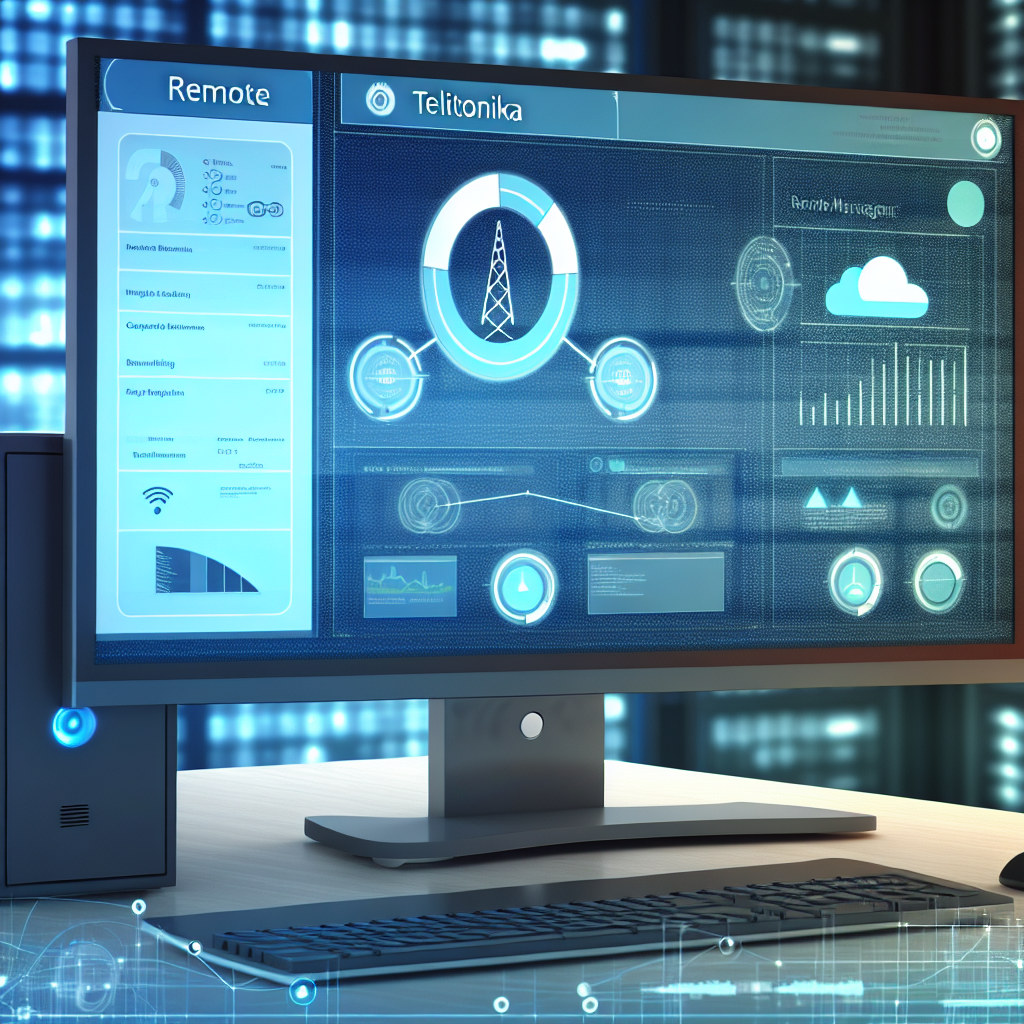
teltonika remote management nutzt Cloud-Technologie, um eine sichere und effiziente Fernverwaltung von Netzwerken zu ermöglichen. Unternehmen können ihre Netzwerkinfrastruktur über eine zentrale Managementkonsole steuern und kontrollieren. Sie können Netzwerkausfälle in Echtzeit überwachen, Warnmeldungen erhalten und sofortige Maßnahmen ergreifen, um Probleme zu beheben.
Fallstudie: Teltonika Remote Management in der Praxis
Ein gutes Beispiel für die Anwendung von teltonika remote management ist ein großes Einzelhandelsunternehmen mit mehreren Standorten. Das Unternehmen hatte Schwierigkeiten, seine Netzwerkinfrastruktur effizient zu verwalten und suchte nach einer Lösung, um seine Netzwerkleistung zu verbessern und die Betriebskosten zu senken.
Nach der Implementierung von teltonika remote management konnte das Unternehmen seine Netzwerkausfälle um 60% reduzieren und seine Betriebskosten um 30% senken. Darüber hinaus konnte das Unternehmen seine Netzwerksicherheit verbessern und die Kundenzufriedenheit erhöhen.
Schlussfolgerung: Teltonika Remote Management als effiziente Lösung
Die digitale Transformation hat die Notwendigkeit einer effizienten Netzwerksteuerung und -kontrolle hervorgehoben. teltonika remote management bietet eine fortschrittliche Lösung für die Fernverwaltung von Netzwerken, die Unternehmen dabei hilft, ihre Netzwerkleistung zu verbessern, die Betriebskosten zu senken und die Netzwerksicherheit zu erhöhen.
Mit seiner Cloud-basierten Technologie und seiner zentralen Managementkonsole ermöglicht teltonika remote management Unternehmen, ihre Netzwerke effizient zu steuern und zu kontrollieren, unabhängig von ihrem Standort. Durch die Implementierung von teltonika remote management können Unternehmen ihre digitale Transformation vorantreiben und einen Wettbewerbsvorteil erzielen.
Teltonika Remote Management: Ein Schritt in Richtung effiziente Steuerung und Kontrolle von Netzwerken
Die zunehmende Abhängigkeit von Netzwerken für den Geschäftsbetrieb unterstreicht die Notwendigkeit einer effizienten Netzwerksteuerung und -kontrolle. Mit teltonika remote management können Unternehmen diese Herausforderung meistern und ihre Netzwerkleistung verbessern, die Betriebskosten senken und die Netzwerksicherheit erhöhen. Es ist ein wichtiger Schritt in Richtung effiziente Steuerung und Kontrolle von Netzwerken.