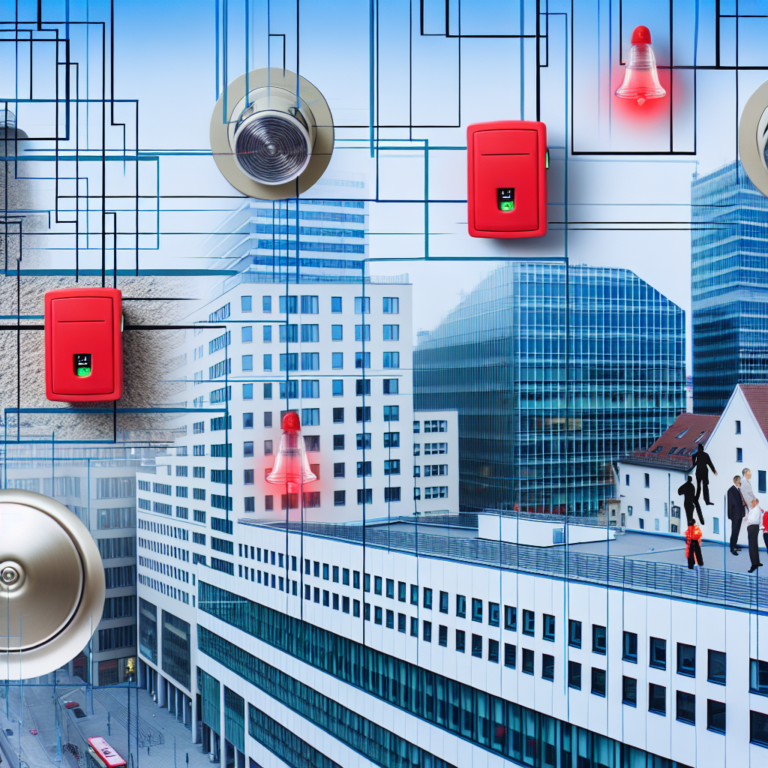

Rauchabzugsanlagen: Sicherheit und Brandschutz für Gebäude
"Rauchabzugsanlagen erhöhen die Sicherheit und den Brandschutz in Gebäuden. Erfahren Sie mehr über ihre Funktion und Bedeutung."
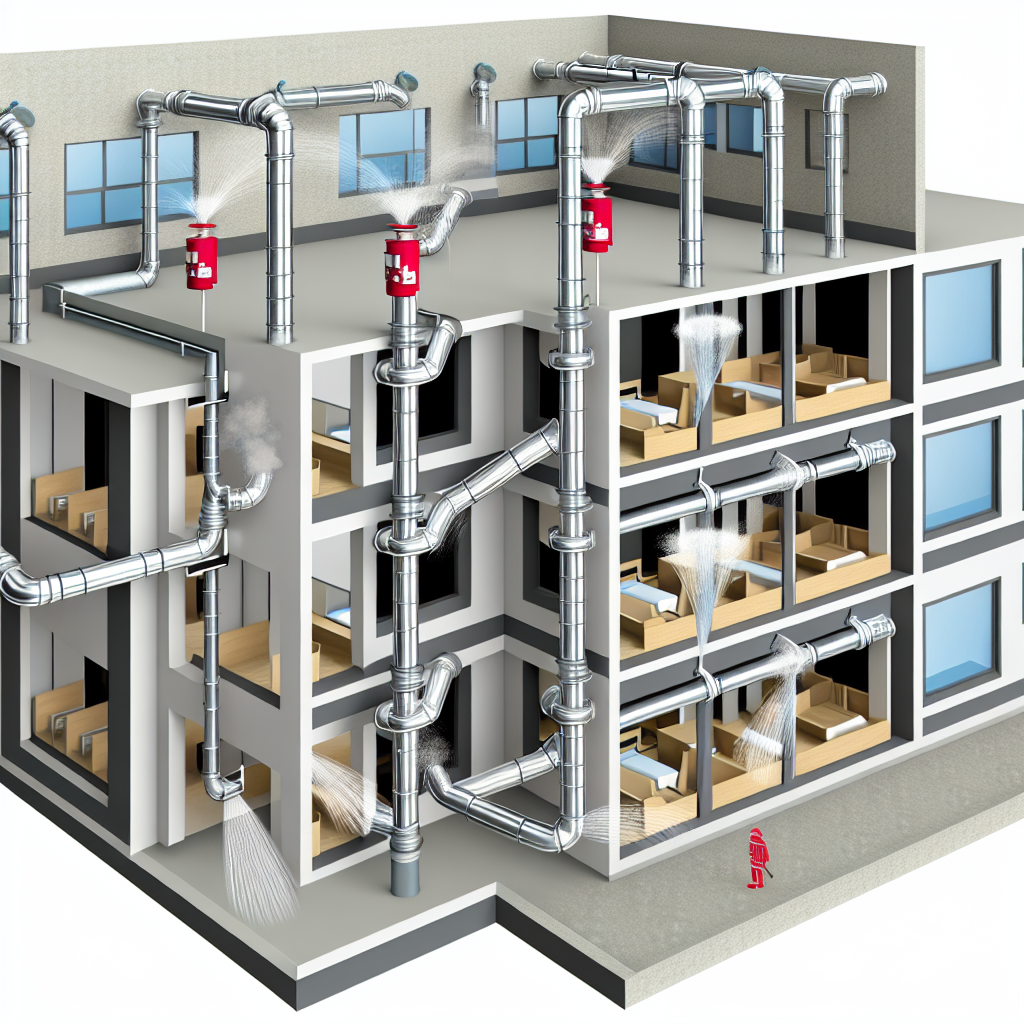
Die Sicherheit von Gebäuden ist ein zentrales Anliegen für Architekten, Bauherren und Nutzer. Ein wichtiger Aspekt dabei ist der Brandschutz. Hier spielen rauchabzugsanlagen eine entscheidende Rolle. Sie sorgen dafür, dass im Brandfall der Rauch schnell und effektiv aus dem Gebäude abgeleitet wird, um Menschenleben zu retten und Sachschäden zu minimieren.
Hinweis zu AI-generierten Inhalten: Die Inhalte dieses Blogs werden mithilfe fortschrittlicher künstlicher Intelligenz erstellt. Obwohl wir uns bemühen, Ihnen stets präzise und nützliche Informationen zu bieten, kann es vorkommen, dass Fragen oder Unklarheiten bestehen bleiben. In solchen Fällen stehen Ihnen unsere Experten gerne zur Verfügung. Zögern Sie nicht, uns über die unten aufgeführten Kontaktmöglichkeiten zu erreichen. Unsere Spezialisten sind wahre Kenner ihres Fachs und helfen Ihnen gerne weiter!

Kontaktmöglichkeiten:

Feedback-Formular: Formular Ausfüllen
E-Mail: vertrieb@graef-gruppe.de
Telefon: +493069202294
Wir freuen uns auf Ihre Rückfragen und darauf, Ihnen bei jedem Anliegen behilflich zu sein!
Was sind Rauchabzugsanlagen?
rauchabzugsanlagen, auch als RWA (Rauch- und Wärmeabzugsanlagen) bekannt, sind technische Einrichtungen, die dazu dienen, im Brandfall entstehenden Rauch und Hitze aus Gebäuden abzuleiten. Sie bestehen in der Regel aus Rauchmeldern, Steuerungseinheiten und Abluftöffnungen, die automatisch oder manuell geöffnet werden können. rauchabzugsanlagen sind in vielen Gebäuden gesetzlich vorgeschrieben und tragen maßgeblich zur Sicherheit bei.
Warum sind Rauchabzugsanlagen so wichtig?
Im Brandfall sind es oft nicht die Flammen selbst, die die größte Gefahr darstellen, sondern der Rauch. Er kann die Sicht stark einschränken und das Atmen unmöglich machen. Zudem enthält Brandrauch oft giftige Gase, die lebensbedrohlich sein können. rauchabzugsanlagen leiten diesen Rauch ab und sorgen so dafür, dass Flucht- und Rettungswege länger nutzbar bleiben und die Brandbekämpfung erleichtert wird.
Wie funktionieren Rauchabzugsanlagen?
rauchabzugsanlagen nutzen das Prinzip der thermischen Auftriebskraft. Da Rauch und Hitze aufsteigen, können sie durch Öffnungen im oberen Bereich eines Raumes oder Gebäudes abgeleitet werden. Die Steuerung der Anlage erfolgt in der Regel automatisch über Rauchmelder und Temperatursensoren. Bei Erreichen eines bestimmten Schwellenwerts öffnen sich die Abluftöffnungen und der Rauch kann abziehen.
Beispiele für den Einsatz von Rauchabzugsanlagen
rauchabzugsanlagen finden in vielen verschiedenen Gebäudetypen Anwendung. In öffentlichen Gebäuden wie Schulen, Krankenhäusern oder Einkaufszentren sind sie ebenso zu finden wie in Industriegebäuden oder Parkhäusern. Auch in Wohngebäuden können sie zur Sicherheit beitragen, insbesondere in Mehrfamilienhäusern oder Hochhäusern.
Die Vorteile von Rauchabzugsanlagen
- Sie erhöhen die Sicherheit im Brandfall durch schnelle Rauchableitung.
- Sie ermöglichen längere nutzbare Flucht- und Rettungswege.
- Sie erleichtern die Brandbekämpfung.
- Sie können dazu beitragen, Sachschäden zu minimieren.
- Sie sind in vielen Fällen gesetzlich vorgeschrieben.
Rauchabzugsanlagen: Sicherheit und Brandschutz für Gebäude erweitert
Zusammenfassend lässt sich sagen, dass rauchabzugsanlagen ein unverzichtbarer Bestandteil moderner Gebäudesicherheit sind. Sie tragen maßgeblich dazu bei, die Gefahren eines Brandes zu minimieren und Menschenleben zu retten. Dabei ist es wichtig, dass sie fachgerecht geplant, installiert und gewartet werden, um ihre volle Wirksamkeit zu entfalten. Denn nur so können sie im Ernstfall zuverlässig funktionieren und ihren Beitrag zum Brandschutz leisten.