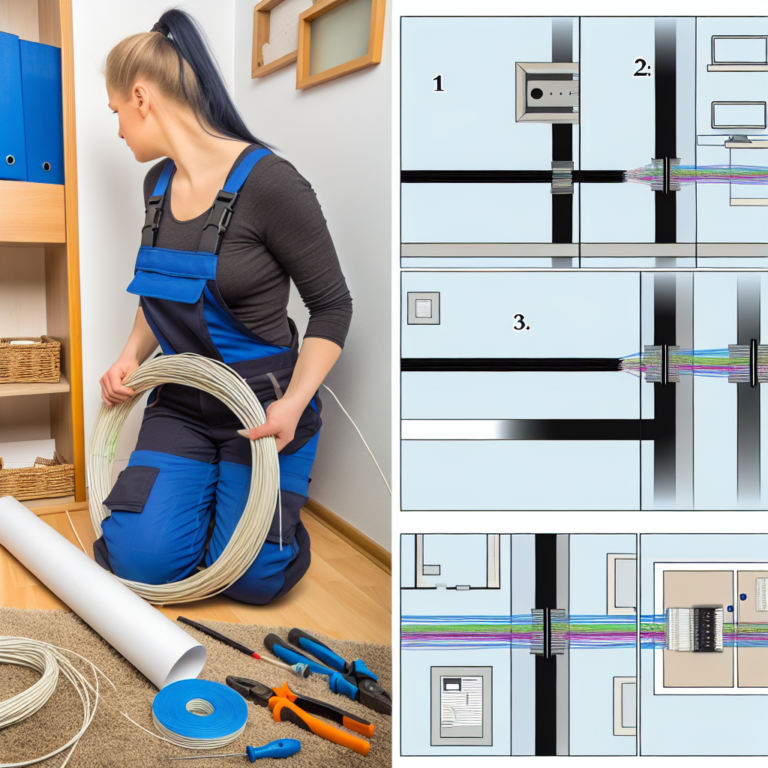

Spleißen Kabel: Schlüssel für stabile Netzwerke & Glasfaser

In der heutigen digitalen Welt sind stabile Netzwerke unerlässlich. Eine der Schlüsseltechnologien, die zu dieser Stabilität beitragen, ist das Spleißen von Kabeln, insbesondere Glasfaserkabeln. Glasfasernetze sind bekannt für ihre hohe Übertragungsrate und Zuverlässigkeit, doch der Erfolg solcher Systeme hängt stark von der Qualität des Spleißens ab. In diesem Artikel werden wir die Bedeutung des Kabelspleißens, seine Techniken und die daraus resultierenden Vorteile für moderne Netzwerke untersuchen.
Hinweis zu AI-generierten Inhalten: Die Inhalte dieses Blogs werden mithilfe fortschrittlicher künstlicher Intelligenz erstellt. Obwohl wir uns bemühen, Ihnen stets präzise und nützliche Informationen zu bieten, kann es vorkommen, dass Fragen oder Unklarheiten bestehen bleiben. In solchen Fällen stehen Ihnen unsere Experten gerne zur Verfügung. Zögern Sie nicht, uns über die unten aufgeführten Kontaktmöglichkeiten zu erreichen. Unsere Spezialisten sind wahre Kenner ihres Fachs und helfen Ihnen gerne weiter!

Kontaktmöglichkeiten:

Feedback-Formular: Formular Ausfüllen
E-Mail: vertrieb@graef-gruppe.de
Telefon: +493069202294
Wir freuen uns auf Ihre Rückfragen und darauf, Ihnen bei jedem Anliegen behilflich zu sein!
Spleißen Kabel: Ein entscheidender Meilenstein in der Netzwerkinfrastruktur
Das Spleißen von Glasfaserkabeln ist ein präziser Prozess, der zwei Glasfasern so verbindet, dass die Signalübertragung nahtlos und verlustfrei erfolgt. Die Haupttechniken beim Spleißen sind das Fusion- und das mechanische Spleißen.
Namehafte Techniken für exzellente Signalübertragung
- Fusionsspleißen: Bei dieser Methode werden die Glasfasern durch Schmelzen mit einem Lichtbogen verbunden. Dies führt zu einer nahezu perfekten Verbindung mit minimalem Signalverlust.
- Mechanisches Spleißen: Diese Technik verwendet ein spezielles Gehäuse zur physischen Verbindung der Fasern. Obwohl es schneller zu bewerkstelligen ist, kann es zu einem leicht höheren Signalverlust kommen als beim Fusionsspleißen.
Beide Techniken haben ihre Vor- und Nachteile, doch durch den technologischen Fortschritt wird das Fusionsspleißen immer zugänglicher und ökonomischer.
Effizienz und Zuverlässigkeit durch spleißen kabel in Netzwerken
Das Spleißen von Kabeln gewährleistet nicht nur eine optimale Leistung, sondern auch eine erhöhte Zuverlässigkeit und Langlebigkeit der Netzwerke. Studien zeigen, dass maschinell gespleißte Verbindungen die Netzwerkausfälle um bis zu 70% reduzieren können. Ein Beispiel hierfür sind große Telekommunikationsanbieter, die mit erfolgreich gespleißten Glasfasern ihren Kunden stabile Verbindungen bieten.
Bedeutende Beispiele für spleißen kabel in der Praxis
- Große Datenzentren verwenden gespleißte Glasfaserkabel für ihre Hochgeschwindigkeits-Backbones, um große Datenmengen effizient zu verarbeiten.
- Telecom-Unternehmen implementieren diese Techniken, um Ausfallzeiten zu minimieren und die Kundenzufriedenheit zu steigern.
Die Relevanz von spleißen kabel ist besonders in Branchen spürbar, wo selbst geringste Unterbrechungen erhebliche Auswirkungen haben können.
Der Weg in die Zukunft: Spleißen Kabel als Schlüsselkomponente
Mit dem rasanten Wachstum des Internets der Dinge und der zunehmenden Vernetzung ist der Bedarf an leistungsfähigen und zuverlässigen Netzwerken größer denn je. Das Spleißen von Kabeln bleibt eine Schlüsselkomponente, um diese Anforderungen zu erfüllen. Laut einer Analyse sollen die Investitionen in Glasfaserinfrastrukturen bis 2025 weltweit um 30% steigen. Diese Investitionen unterstreichen die Bedeutung des Spleißens und die damit verbundenen Vorteile in der Netzwerkzuverlässigkeit und -leistung.
Zusammenfassend lässt sich sagen, dass das Spleißen von Kabeln eine kritische Rolle in der Stabilität und Effizienz moderner Netzwerke spielt. Mit der fortgesetzten Entwicklung von Technologien und der immer weiter gehenden Verbreitung von Glasfasern erwartet man, dass spleißen kabel auch in Zukunft eine zentrale Rolle bei der Schaffung robuster digitaler Infrastrukturen spielen wird. Die Verbesserung der Spleißtechniken könnte den Weg zu noch schnelleren und stabileren Netzwerken ebnen, was letztendlich zu einer besser vernetzten Welt führt.