
LWL-Kabel spleißen: Professionelle Techniken für optimale Verbindungen
"Spleißen LWL-Kabel: Entdecken Sie professionelle Techniken für optimale, zuverlässige Glasfaser-Verbindungen. Perfektionieren Sie Ihr Handwerk."
Die Technologie der Glasfaserkommunikation hat die Art und Weise, wie wir Daten übertragen, revolutioniert. Glasfaserkabel, auch bekannt als LWL-Kabel (Lichtwellenleiter-Kabel), sind das Rückgrat dieser Technologie. Sie ermöglichen die Übertragung von Daten über große Entfernungen mit hoher Geschwindigkeit und geringer Latenz. Eine der wichtigsten Aufgaben bei der Installation und Wartung von Glasfaserkabeln ist das Spleißen. In diesem Artikel werden wir uns mit den professionellen Techniken zum Spleißen von LWL-Kabeln befassen.
Was ist das Spleißen von LWL-Kabeln?
Das Spleißen von LWL-Kabeln ist der Prozess, bei dem zwei Glasfaserkabel miteinander verbunden werden. Dies kann notwendig sein, um eine Verbindung über eine größere Entfernung herzustellen, ein beschädigtes Kabel zu reparieren oder um eine Verbindung zu einem Gerät oder einer Netzwerkkomponente herzustellen. Es gibt zwei Hauptmethoden zum Spleißen von LWL-Kabeln: die Fusionsmethode und die mechanische Methode.
Das Fusionsspleißen ist die gebräuchlichste Methode zum Verbinden von LWL-Kabeln. Bei dieser Methode werden die Enden der Kabel erhitzt, bis sie schmelzen, und dann zusammengefügt. Dies erzeugt eine nahezu verlustfreie Verbindung, die eine hohe Signalqualität gewährleistet. Das Fusionsspleißen erfordert spezielle Geräte und geschultes Personal, bietet aber die zuverlässigsten und dauerhaftesten Verbindungen.
Mechanisches Spleißen
Beim mechanischen Spleißen werden die Kabelenden mechanisch miteinander verbunden, oft mit Hilfe eines speziellen Verbindungselements. Diese Methode ist weniger zuverlässig als das Fusionsspleißen und kann zu höheren Signalverlusten führen. Sie ist jedoch einfacher und schneller durchzuführen und erfordert weniger spezielle Ausrüstung. Daher wird sie oft für temporäre Verbindungen oder in Situationen verwendet, in denen das Fusionsspleißen nicht praktikabel ist.
Wichtige Schritte beim Spleißen von LWL-Kabeln
Unabhängig von der gewählten Methode gibt es einige wichtige Schritte, die beim Spleißen von LWL-Kabeln beachtet werden müssen:
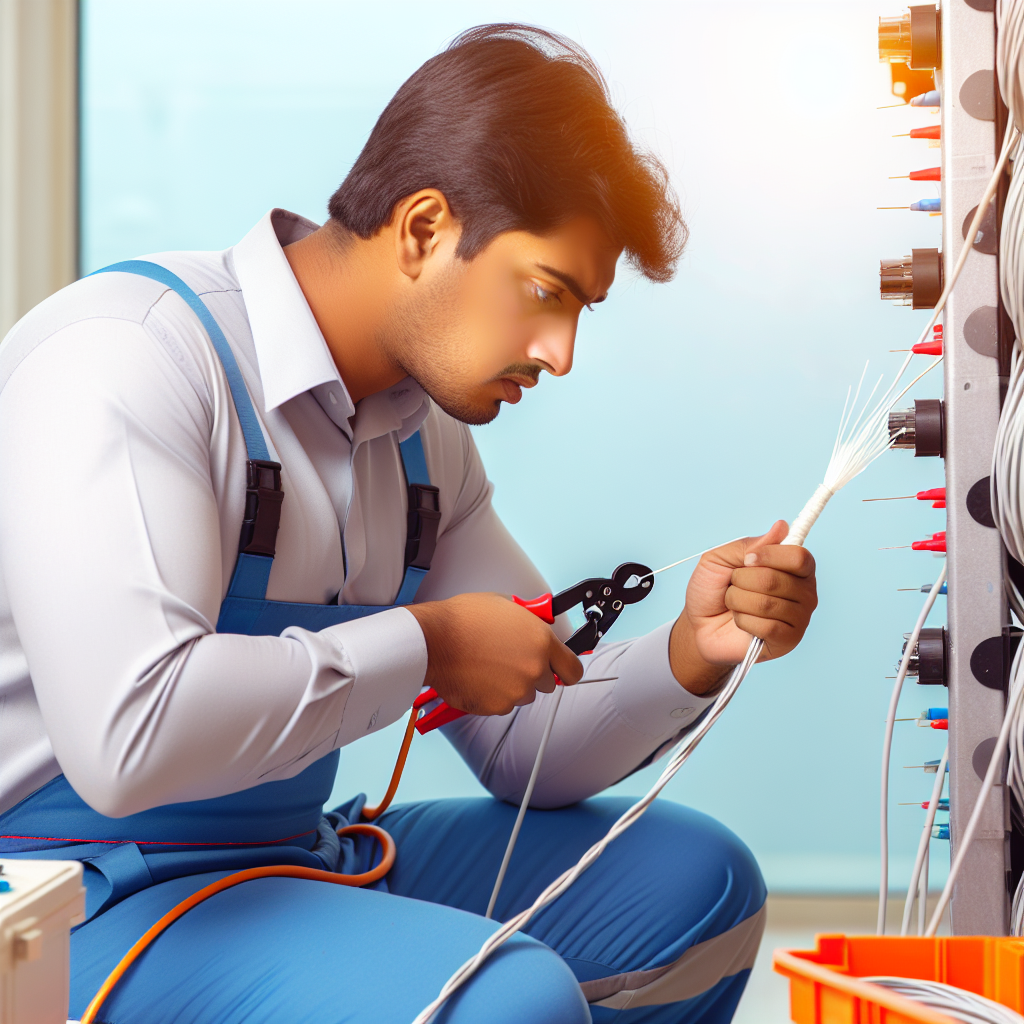
- Vorbereitung der Kabel: Die Kabel müssen sorgfältig vorbereitet werden, bevor sie gespleißt werden können. Dies umfasst das Abisolieren der Kabel, das Reinigen der Fasern und das genaue Schneiden der Faserenden.
- Ausrichtung der Fasern: Die Faserenden müssen genau ausgerichtet werden, um eine optimale Verbindung zu gewährleisten. Dies erfordert spezielle Geräte und Fachkenntnisse.
- Spleißen: Die Fasern werden entweder durch Fusion oder mechanisch miteinander verbunden.
- Überprüfung der Verbindung: Nach dem Spleißen muss die Qualität der Verbindung überprüft werden. Dies kann mit speziellen Testgeräten erfolgen, die den Signalverlust messen.
Spleißen von LWL-Kabeln: Professionelle Techniken für optimale Verbindungen
Das Spleißen von LWL-Kabeln ist eine anspruchsvolle Aufgabe, die Fachkenntnisse und spezielle Ausrüstung erfordert. Professionelle Techniken und sorgfältige Vorbereitung sind entscheidend für die Herstellung von Verbindungen, die eine hohe Signalqualität und Zuverlässigkeit gewährleisten. Obwohl das Fusionsspleißen die zuverlässigste Methode ist, kann das mechanische Spleißen in bestimmten Situationen eine praktikable Alternative sein.
Unabhängig von der gewählten Methode ist es wichtig, die Qualität der Verbindung zu überprüfen und sicherzustellen, dass der Signalverlust innerhalb akzeptabler Grenzen liegt. Mit den richtigen Techniken und Ausrüstung kann das Spleißen von LWL-Kabeln effizient und effektiv durchgeführt werden, um optimale Verbindungen zu gewährleisten.