
Kameraüberwachung im Büro: Datenschutz und Sicherheit im Einklang
"Kameraüberwachung im Büro: Finden Sie den perfekten Einklang zwischen Datenschutz und Sicherheit. Informieren Sie sich jetzt!"
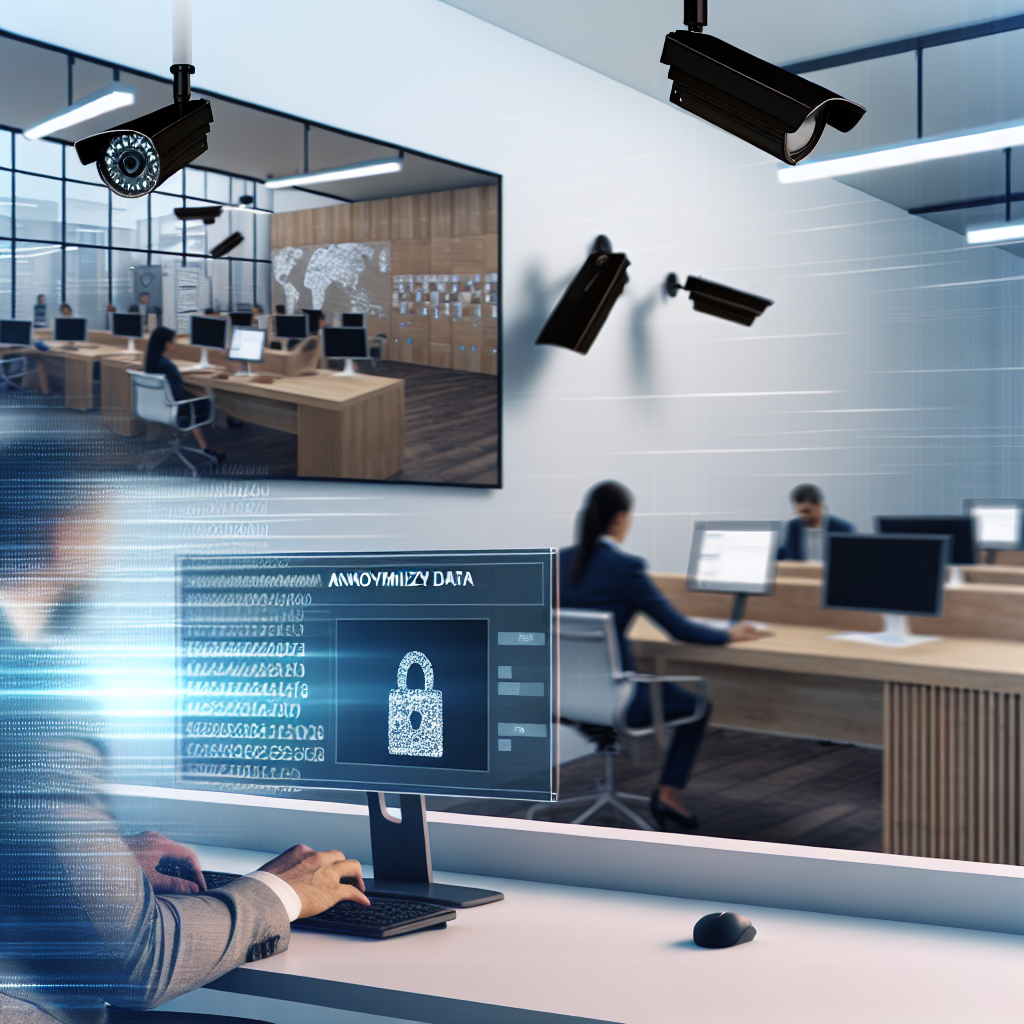
Die kameraüberwachung im büro ist ein Thema, das in vielen Unternehmen auf der Tagesordnung steht. Es geht um die Balance zwischen Datenschutz und Sicherheit, zwei Aspekten, die oft als Gegensätze wahrgenommen werden. Doch wie kann man diese beiden Aspekte in Einklang bringen? In diesem Artikel werden wir uns mit dieser Frage auseinandersetzen.
Kameraüberwachung im Büro: Ein Überblick
Die kameraüberwachung im büro kann verschiedene Zwecke erfüllen. Sie kann dazu dienen, Diebstahl zu verhindern, die Sicherheit der Mitarbeiter zu gewährleisten oder die Produktivität zu überwachen. Doch gleichzeitig wirft sie auch Fragen des Datenschutzes auf. Denn die Mitarbeiter haben ein Recht auf Privatsphäre, auch am Arbeitsplatz.
Die rechtlichen Rahmenbedingungen
Die kameraüberwachung im büro ist in Deutschland streng geregelt. Das Bundesdatenschutzgesetz (BDSG) und die Datenschutz-Grundverordnung (DSGVO) legen fest, unter welchen Bedingungen eine Videoüberwachung zulässig ist. So muss beispielsweise ein berechtigtes Interesse des Arbeitgebers vorliegen und die Überwachung muss verhältnismäßig sein. Zudem müssen die Mitarbeiter über die Überwachung informiert werden.
Die Balance zwischen Datenschutz und Sicherheit
Um Datenschutz und Sicherheit in Einklang zu bringen, ist es wichtig, einen verantwortungsvollen Umgang mit der kameraüberwachung im büro zu finden. Das bedeutet, dass die Überwachung nicht dazu genutzt werden darf, die Mitarbeiter ständig zu kontrollieren oder gar unter Druck zu setzen. Stattdessen sollte sie dazu dienen, die Sicherheit am Arbeitsplatz zu erhöhen.
- Die Kameraüberwachung sollte nur in Bereichen erfolgen, in denen dies aus Sicherheitsgründen notwendig ist. Private Bereiche wie Umkleiden oder Toiletten dürfen nicht überwacht werden.
- Die Mitarbeiter sollten über die Überwachung und deren Zweck informiert werden. Zudem sollten sie das Recht haben, die Aufnahmen einzusehen.
- Die Aufnahmen sollten nur so lange gespeichert werden, wie dies für den Zweck der Überwachung notwendig ist.
Beispiele für einen verantwortungsvollen Umgang mit der Kameraüberwachung
Ein gutes Beispiel für einen verantwortungsvollen Umgang mit der kameraüberwachung im büro ist das Unternehmen XYZ. Hier wird die Videoüberwachung nur in den Eingangsbereichen und den Lagerräumen eingesetzt, um Diebstahl zu verhindern. Die Mitarbeiter wurden über die Überwachung informiert und können die Aufnahmen auf Wunsch einsehen. Die Aufnahmen werden nach 30 Tagen automatisch gelöscht.
Ein weiteres Beispiel ist das Unternehmen ABC. Hier wird die Kameraüberwachung genutzt, um die Sicherheit der Mitarbeiter zu gewährleisten. Die Kameras sind so positioniert, dass sie nur die öffentlichen Bereiche des Büros erfassen. Die Mitarbeiter wurden über die Überwachung informiert und haben das Recht, die Aufnahmen einzusehen. Die Aufnahmen werden nach 14 Tagen automatisch gelöscht.
Kameraüberwachung im Büro: Datenschutz und Sicherheit im Einklang
Zusammenfassend lässt sich sagen, dass die kameraüberwachung im büro durchaus mit dem Datenschutz in Einklang gebracht werden kann. Wichtig ist dabei ein verantwortungsvoller Umgang mit der Überwachung. Die Mitarbeiter sollten über die Überwachung informiert werden und das Recht haben, die Aufnahmen einzusehen. Zudem sollte die Überwachung nur in den Bereichen erfolgen, in denen dies aus Sicherheitsgründen notwendig ist, und die Aufnahmen sollten nur so lange gespeichert werden, wie dies für den Zweck der Überwachung notwendig ist.