
Access control with facial recognition: convenience meets maximum security
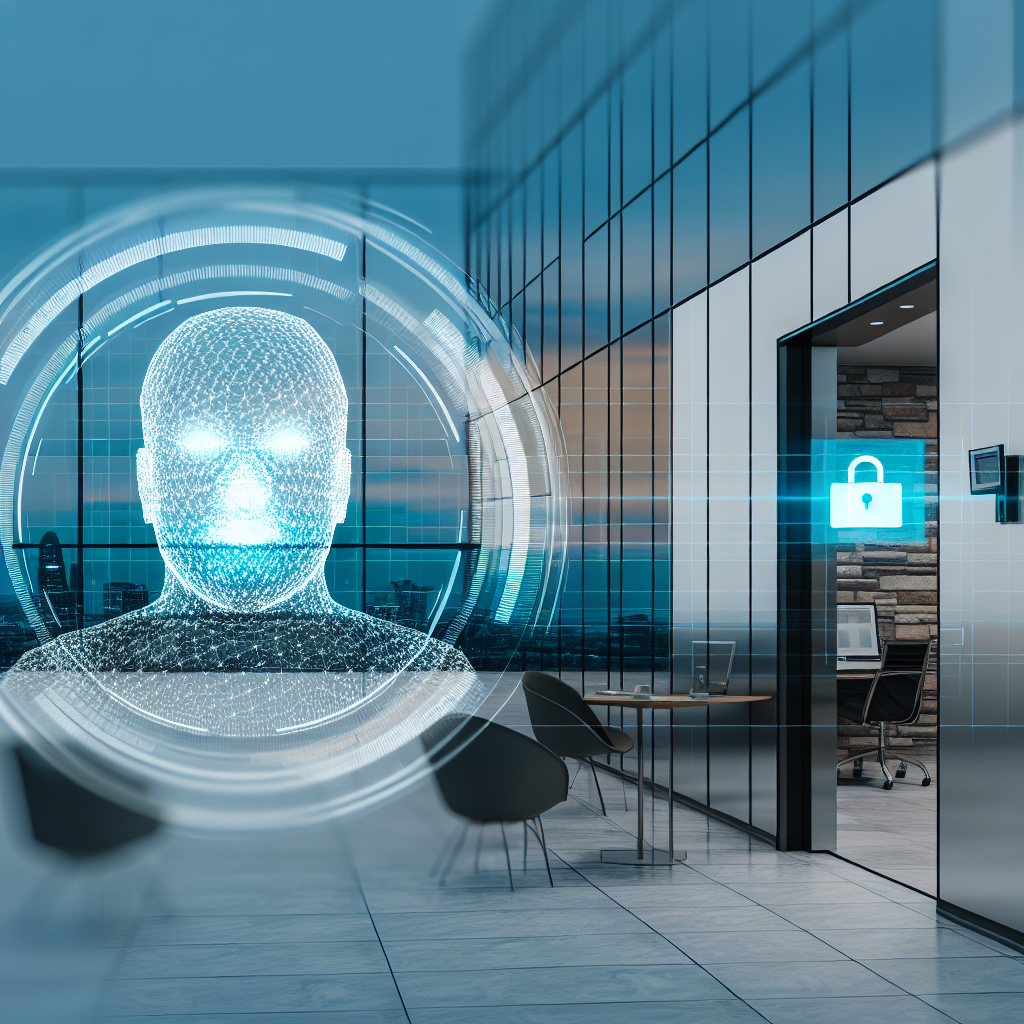
Facial recognition for access control: Maximum security and convenient access thanks to modern biometric technology.
Access control with facial recognition: convenience meets maximum security
In an increasingly digitalized world, access control with facial recognition is becoming more and more important. Companies, public authorities and even private households are turning to this innovative technology to combine security and user-friendliness. But how exactly does this method work and what advantages does it offer compared to conventional access systems?
Note on AI-generated content: The content of this blog is created with the help of advanced artificial intelligence. Although we strive to always provide you with accurate and useful information, questions or ambiguities may remain. In such cases, our experts will be happy to help you. Please do not hesitate to contact us using the details below. Our specialists are true experts in their field and will be happy to help you!

Contact options:

 Feedback form: Fill out the form
Email: vertrieb@graef-gruppe.de
Phone: +493069202294
We look forward to your queries and to helping you with any concerns you may have!
How does facial recognition work in access control?
Facial recognition is based on biometric data. A camera captures a person's face and compares it with stored data in real time. Characteristic features such as eye distance, nose shape or jawline are analyzed. Access is only granted if there is a match.
Advantages of access control with facial recognition
This technology offers numerous advantages over traditional methods such as key cards or PIN codes:
- Maximum security: Biometric features are unique and difficult to forge.
- Contactless access: Ideal in times of hygiene and health regulations.
- Convenience: No forgetting of passwords or loss of access cards.
- Speed: Access takes place in a fraction of a second.
Practical examples and current developments
One example of its successful use is Changi Airport in Singapore. There, facial recognition is used for automated passport control and boarding. According to a study by MarketsandMarkets, the market for facial recognition will grow to over 8.5 billion US dollars by 2026 - a clear sign of the confidence in this technology.
Access control with facial recognition is already being successfully implemented in German companies such as Siemens and Bosch. It ensures maximum security, particularly in sensitive areas such as research laboratories or data centers.
Data protection and ethical considerations
Despite all the advantages, data protection is a key issue. The processing of biometric data is subject to strict legal regulations, in particular the GDPR. Companies must ensure that data is stored in encrypted form and only used with the express consent of the user.
Access control with facial recognition as a future solution for modern security systems
The combination of user-friendliness and high security makes access control with facial recognition a forward-looking solution. Whether in companies, public institutions or in the private sector - it offers an effective way of protecting sensitive areas without restricting the comfort of users. With advancing technology and growing trust, it will play an increasingly important role in the coming years.