

IT-Infrastruktur für Kleinunternehmen: Effiziente Lösungen für den Geschäftsbetrieb
"Optimieren Sie Ihren Geschäftsbetrieb mit effizienten IT-Infrastruktur-Lösungen speziell für Kleinunternehmen. Steigern Sie Produktivität und Wachstum."
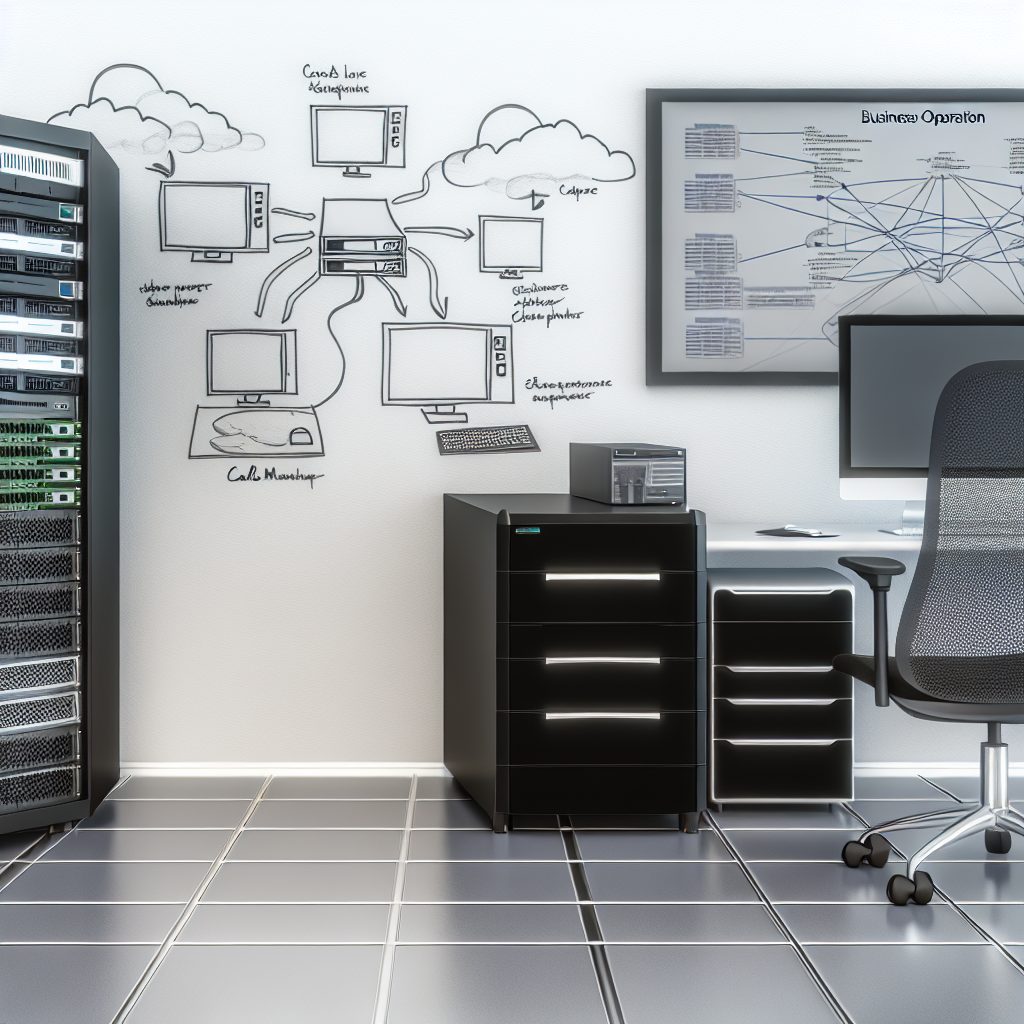
Die IT-Infrastruktur ist das Rückgrat jedes modernen Unternehmens, unabhängig von seiner Größe. Für Kleinunternehmen kann eine effiziente IT-Infrastruktur den Unterschied zwischen Erfolg und Misserfolg ausmachen. In diesem Artikel werden wir uns mit effizienten Lösungen für den Geschäftsbetrieb von Kleinunternehmen befassen.
Was ist IT-Infrastruktur?
Die IT-Infrastruktur umfasst alle technologischen Komponenten, die für den Betrieb eines Unternehmens erforderlich sind. Dazu gehören Hardware, Software, Netzwerke, Datenzentren, Einrichtungen und Dienstleistungen. Eine gut konzipierte IT-Infrastruktur kann dazu beitragen, die Effizienz zu steigern, Kosten zu senken und einen reibungslosen Geschäftsbetrieb zu gewährleisten.
Warum ist IT-Infrastruktur für Kleinunternehmen wichtig?
Die IT-Infrastruktur ist für Kleinunternehmen aus mehreren Gründen von entscheidender Bedeutung. Erstens ermöglicht sie eine effiziente Kommunikation und Zusammenarbeit innerhalb des Unternehmens und mit Kunden. Zweitens unterstützt sie die Automatisierung von Geschäftsprozessen, was zu einer höheren Produktivität führt. Drittens bietet sie Sicherheit und Datenschutz, was für das Vertrauen der Kunden unerlässlich ist.
Effiziente Lösungen für die IT-Infrastruktur von Kleinunternehmen
Es gibt verschiedene Lösungen, die Kleinunternehmen bei der Einrichtung und Verwaltung ihrer IT-Infrastruktur unterstützen können. Hier sind einige Beispiele:
- Cloud-Dienste: Cloud-Dienste bieten eine flexible und kostengünstige Möglichkeit, IT-Ressourcen zu nutzen. Sie ermöglichen es Kleinunternehmen, auf leistungsstarke IT-Infrastrukturen zuzugreifen, ohne in teure Hardware investieren zu müssen.
- Managed IT-Services: Managed IT-Services sind eine weitere effiziente Lösung für Kleinunternehmen. Sie ermöglichen es Unternehmen, ihre IT-Infrastruktur auszulagern und sich auf ihr Kerngeschäft zu konzentrieren.
- Virtualisierung: Die Virtualisierung ermöglicht es Kleinunternehmen, ihre IT-Ressourcen effizienter zu nutzen. Sie ermöglicht es Unternehmen, mehrere virtuelle Maschinen auf einem einzigen physischen Server zu betreiben, wodurch die Kosten gesenkt und die Flexibilität erhöht werden.
Best Practices für die IT-Infrastruktur von Kleinunternehmen
Es gibt einige Best Practices, die Kleinunternehmen bei der Einrichtung und Verwaltung ihrer IT-Infrastruktur befolgen sollten:
- Sicherheit: Sicherheit sollte immer eine Priorität sein. Dies bedeutet, dass Unternehmen in Sicherheitstechnologien investieren und regelmäßige Sicherheitsüberprüfungen durchführen sollten.
- Skalierbarkeit: Die IT-Infrastruktur sollte skalierbar sein, um das Wachstum des Unternehmens zu unterstützen. Dies bedeutet, dass Unternehmen in Technologien investieren sollten, die es ihnen ermöglichen, ihre IT-Ressourcen bei Bedarf zu erweitern.
- Wartung: Regelmäßige Wartung ist entscheidend, um sicherzustellen, dass die IT-Infrastruktur reibungslos funktioniert. Dies kann durch interne Teams oder durch Managed IT-Services erfolgen.
IT-Infrastruktur für Kleinunternehmen: Ein Fallbeispiel
Ein gutes Beispiel für die Bedeutung einer effizienten IT-Infrastruktur ist das Kleinunternehmen XYZ. XYZ hat in Cloud-Dienste investiert und konnte so seine IT-Kosten senken und seine Effizienz steigern. Darüber hinaus hat XYZ Managed IT-Services genutzt, um seine IT-Infrastruktur zu verwalten und sich auf sein Kerngeschäft zu konzentrieren. Durch diese Maßnahmen konnte XYZ sein Geschäft ausbauen und seinen Umsatz steigern.
IT-Infrastruktur für Kleinunternehmen: Effiziente Lösungen für den Geschäftsbetrieb
Zusammenfassend lässt sich sagen, dass eine effiziente IT-Infrastruktur für den Erfolg von Kleinunternehmen von entscheidender Bedeutung ist. Durch Investitionen in Cloud-Dienste, Managed IT-Services und Virtualisierung können Kleinunternehmen ihre IT-Ressourcen effizient nutzen, ihre Kosten senken und ihren Geschäftsbetrieb optimieren. Darüber hinaus sollten Kleinunternehmen Best Practices wie Sicherheit, Skalierbarkeit und Wartung befolgen, um ihre IT-Infrastruktur effektiv zu verwalten.