

 Deutsch
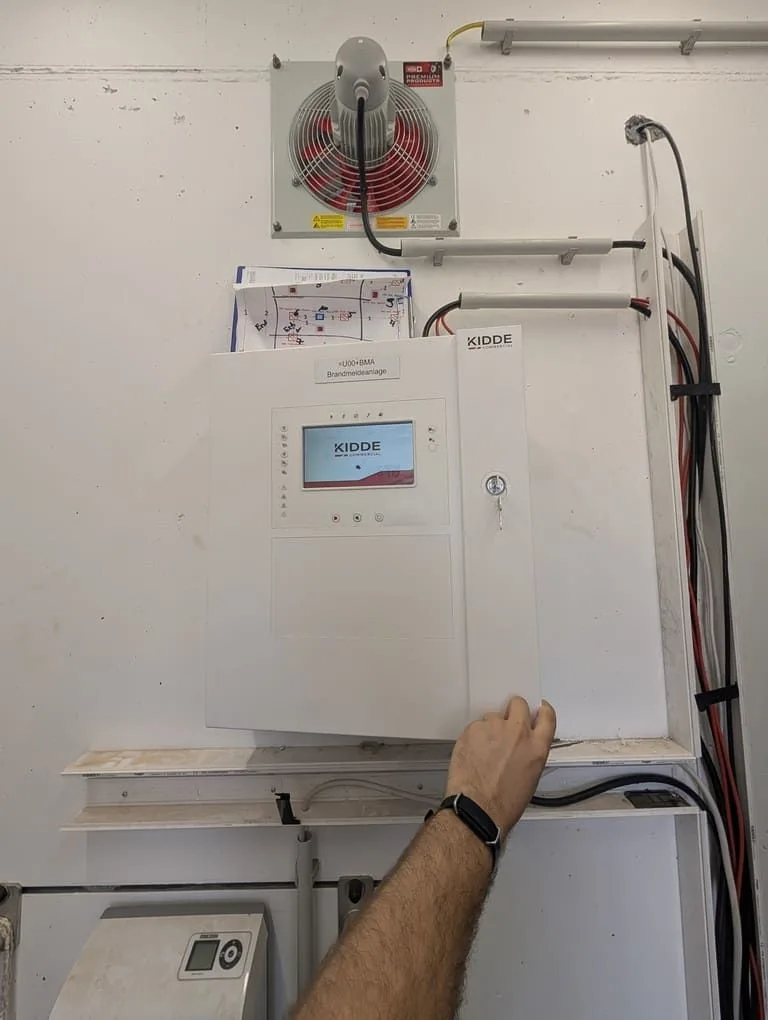
In an age where safety is a top priority in buildings, the installation of a reliable fire alarm system is essential. The Kidde fire alarm system is one of the leading systems on the market and offers advanced technology for the early detection of fires. Proper installation of this system can make the crucial difference when it comes to protecting lives and property.
Step 1: Preparation and planning
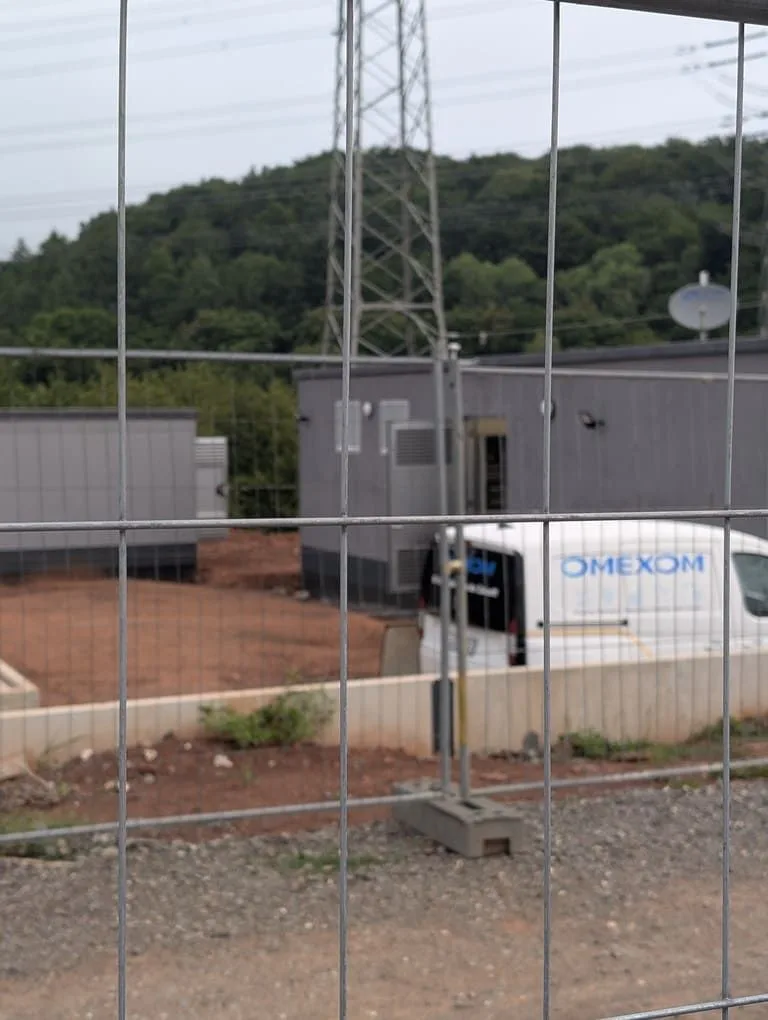
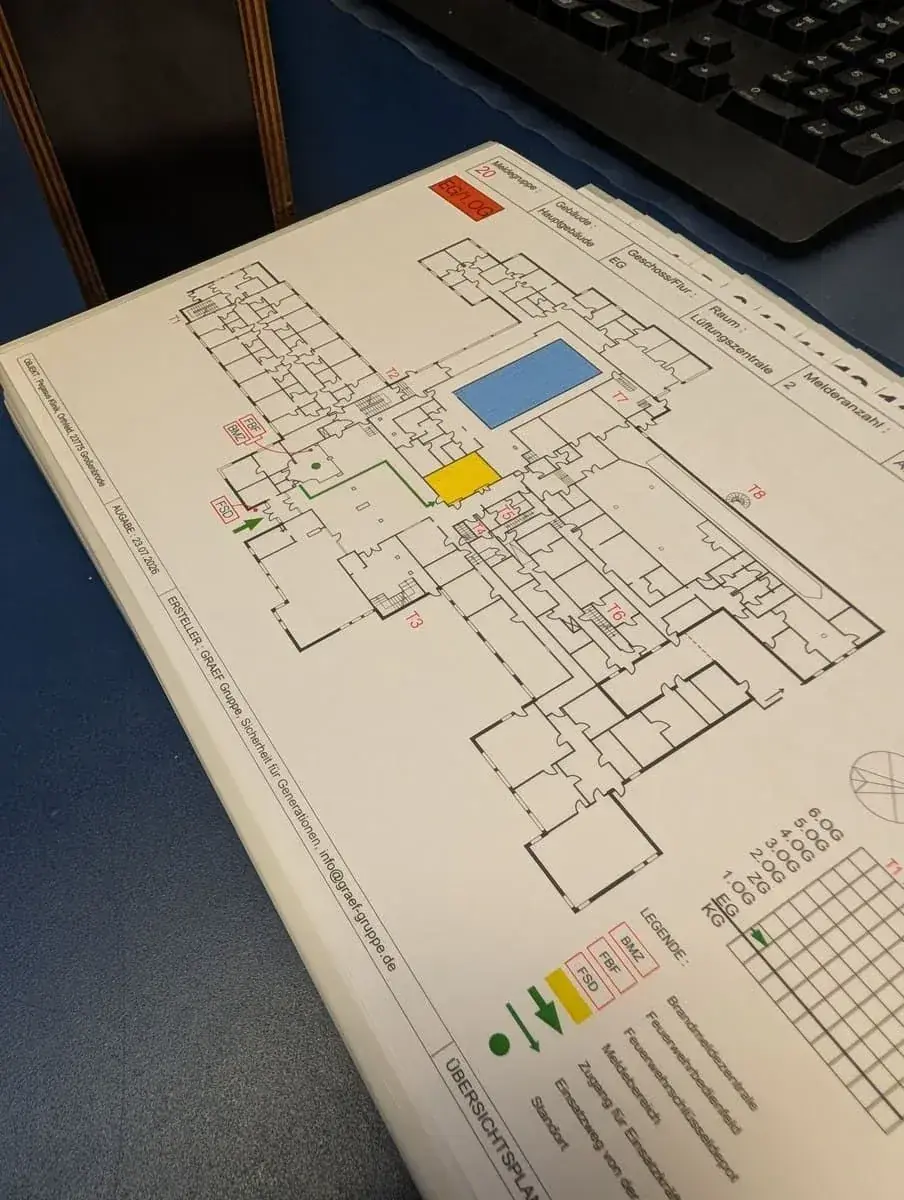
When planning the installation of the Kidde fire alarm system, thorough preparation of the keys is essential. Begin by conducting an accurate inventory of the building and its individual fire protection requirements. Pay attention to the various areas that present an increased risk of fire, such as kitchens or technical rooms.
- Create a detailed plan for the facility.
- Determine the best locations for the fire detectors.
- Consider the local building and fire safety regulations.
Step 2: Installation of the main components
The main components are crucial when installing the Kidde system. Start with the central control unit, which is the heart of your system. Make sure it is easily accessible and located in the central area of the building.
Next, install the smoke detectors in the selected areas. Place them in rooms with high fire risks, but avoid places like bathrooms to minimize false alarms.
Step 3: Wiring and power supply
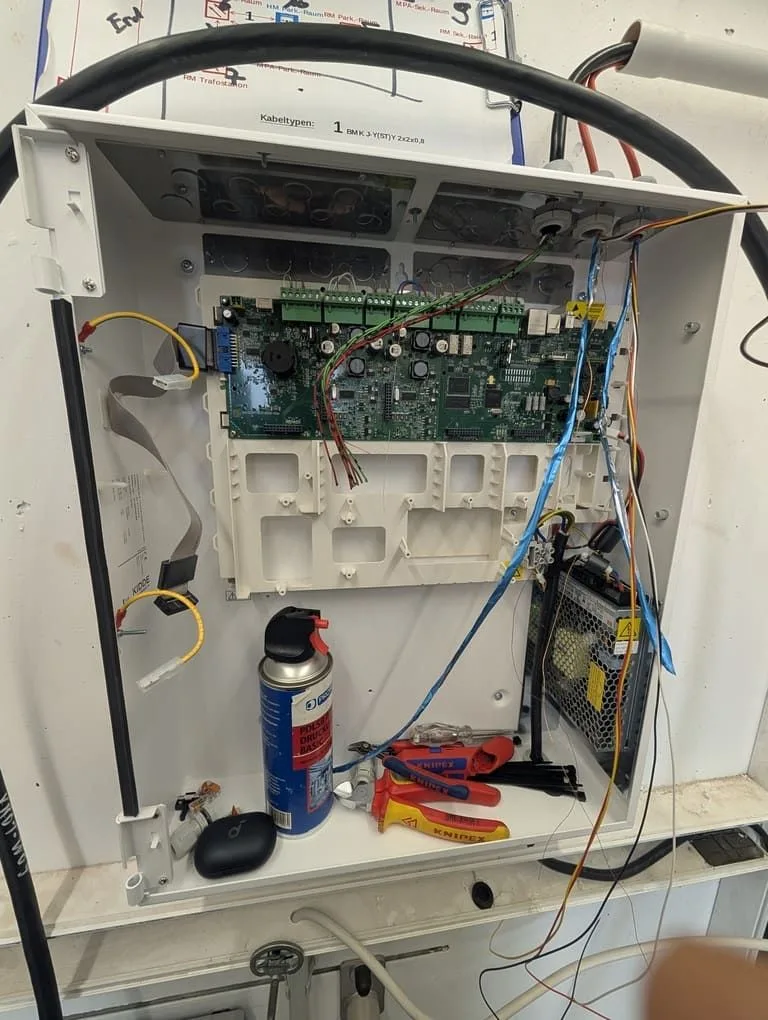
Proper wiring is essential for the smooth operation of the fire alarm system. Use high-quality, fire-resistant cables and strictly follow the manufacturer's instructions. The power supply must be stable and uninterrupted, ideally with a backup system for emergencies.
Step 4: System tests and calibration
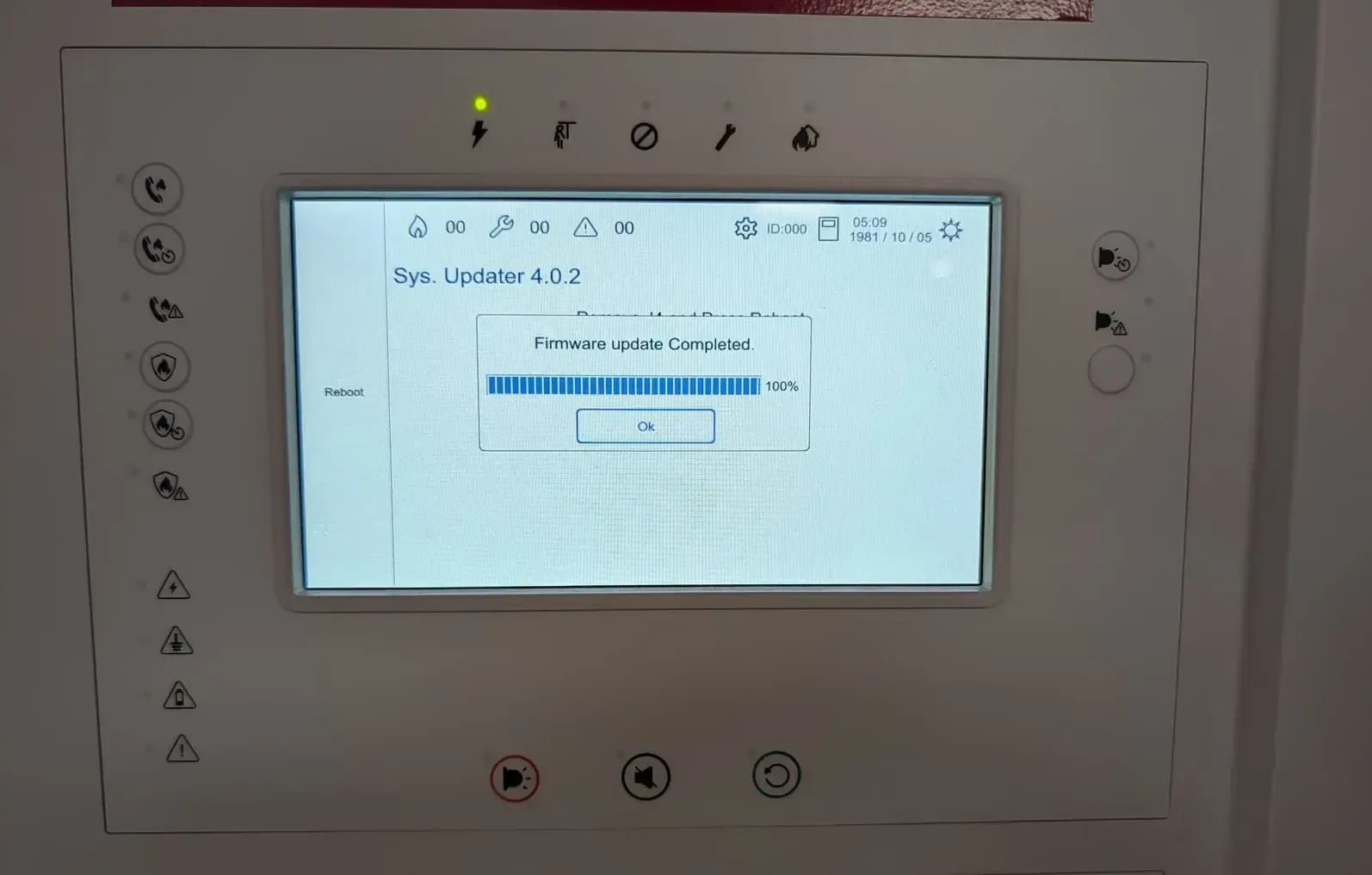
After the installation is complete, extensive testing is essential. Simulate multiple fire scenarios to verify that the detectors are working properly and that the alarms are triggered. Also, check the connectivity to emergency alarm or monitoring centers.
Step 5: Regular maintenance
Once installed, a fire alarm system is not a guarantee of permanent protection. To keep the Kidde fire alarm system in perfect condition, perform regular maintenance. Replace batteries in smoke detectors at least once a year and clean the devices to avoid dust deposits.
A thorough understanding of the installation of the Kidde fire alarm system and the continuous maintenance requirements helps significantly increase the safety of your building. By carefully planning and regularly checking the system, risks can be minimized and the lifespan of the system can be extended.

Contributions from the practical experience of our installers, project managers and software developers. The group is led by founder Peter Gräf, a DGuSV-certified expert in security technology.
Our team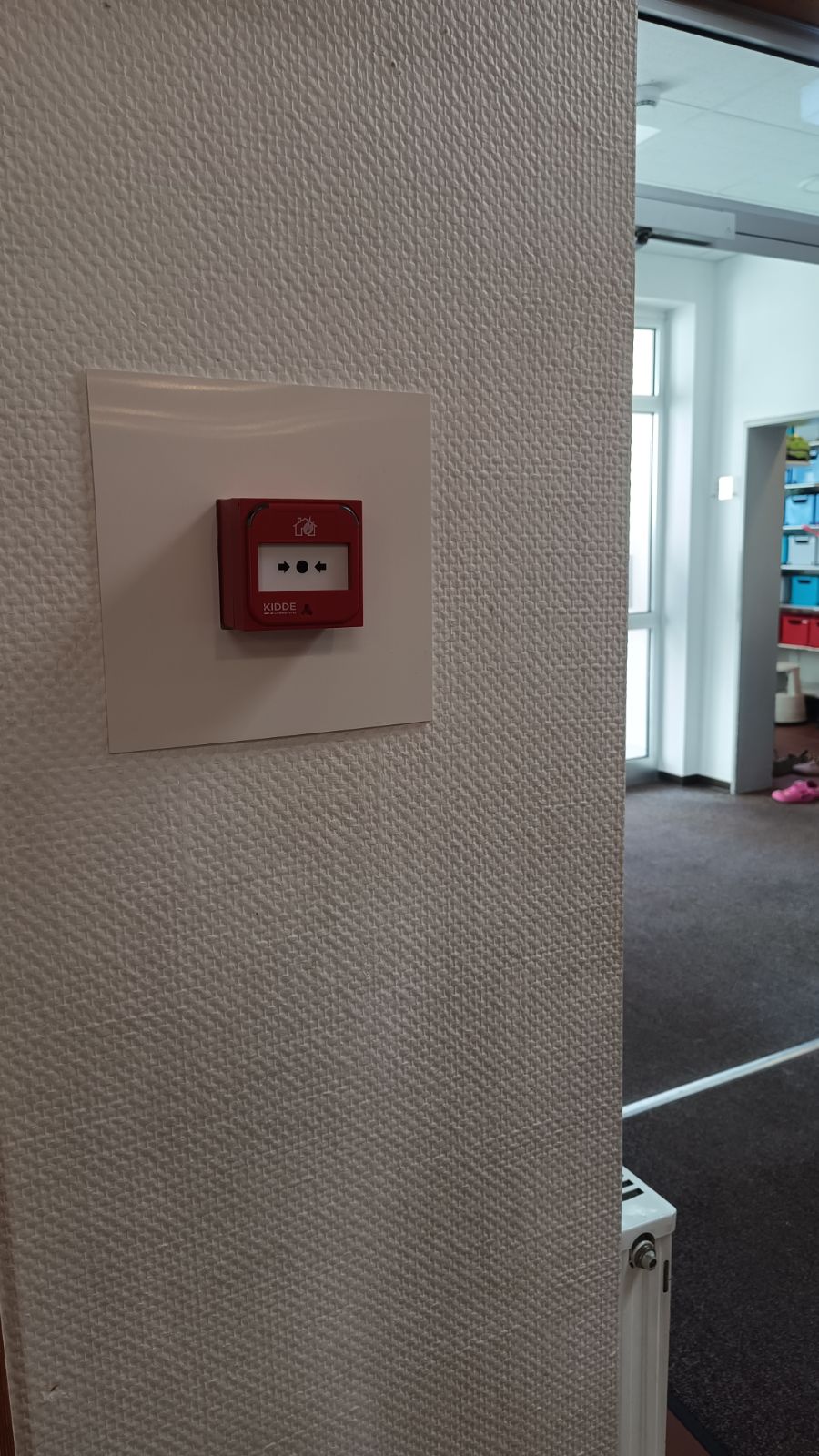





 German
 English