
Hausautomatisierung leicht gemacht – So wird Ihr Zuhause smart und sicher
Entdecken Sie einfache Hausautomatisierung: So machen Sie Ihr Zuhause smart, sicher und komfortabel – mit praktischen Tipps und Lösungen.
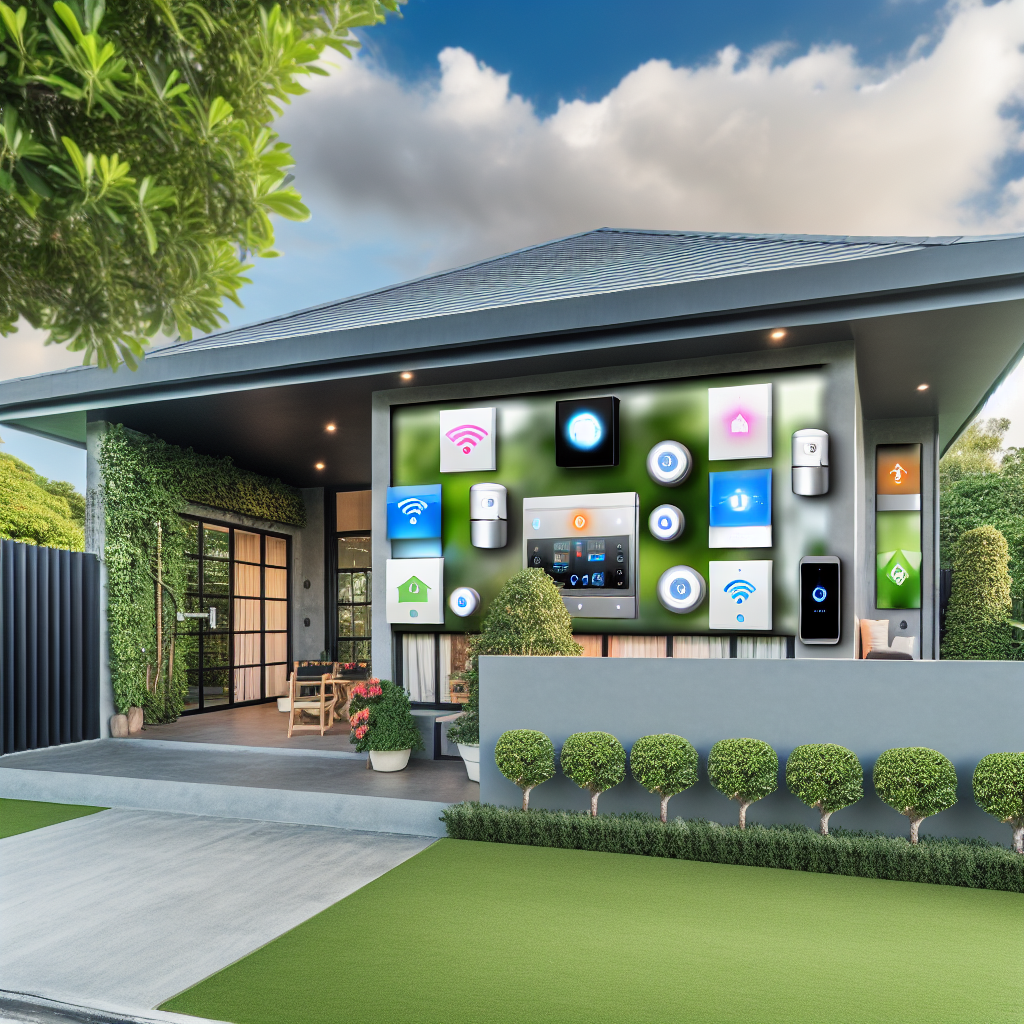
Hausautomatisierung leicht gemacht – So wird Ihr Zuhause smart und sicher
Was bedeutet Hausautomatisierung?
Hausautomatisierung beschreibt die Vernetzung und Steuerung verschiedener Geräte und Systeme im Haushalt über zentrale Steuerungseinheiten oder mobile Endgeräte. Ziel ist es, Komfort, Energieeffizienz und Sicherheit zu erhöhen. Dank moderner Technologien ist der Einstieg heute einfacher und kostengünstiger als je zuvor.
Hinweis zu AI-generierten Inhalten: Die Inhalte dieses Blogs werden mithilfe fortschrittlicher künstlicher Intelligenz erstellt. Obwohl wir uns bemühen, Ihnen stets präzise und nützliche Informationen zu bieten, kann es vorkommen, dass Fragen oder Unklarheiten bestehen bleiben. In solchen Fällen stehen Ihnen unsere Experten gerne zur Verfügung. Zögern Sie nicht, uns über die unten aufgeführten Kontaktmöglichkeiten zu erreichen. Unsere Spezialisten sind wahre Kenner ihres Fachs und helfen Ihnen gerne weiter!

Kontaktmöglichkeiten:

Feedback-Formular: Formular Ausfüllen
E-Mail: vertrieb@graef-gruppe.de
Telefon: +493069202294
Wir freuen uns auf Ihre Rückfragen und darauf, Ihnen bei jedem Anliegen behilflich zu sein!
Vorteile eines smarten Zuhauses
Ein intelligentes Zuhause bietet zahlreiche Vorteile, die über reinen Komfort hinausgehen. Besonders in den Bereichen Sicherheit und Energieeinsparung zeigt sich das Potenzial der hausautomatisierung.
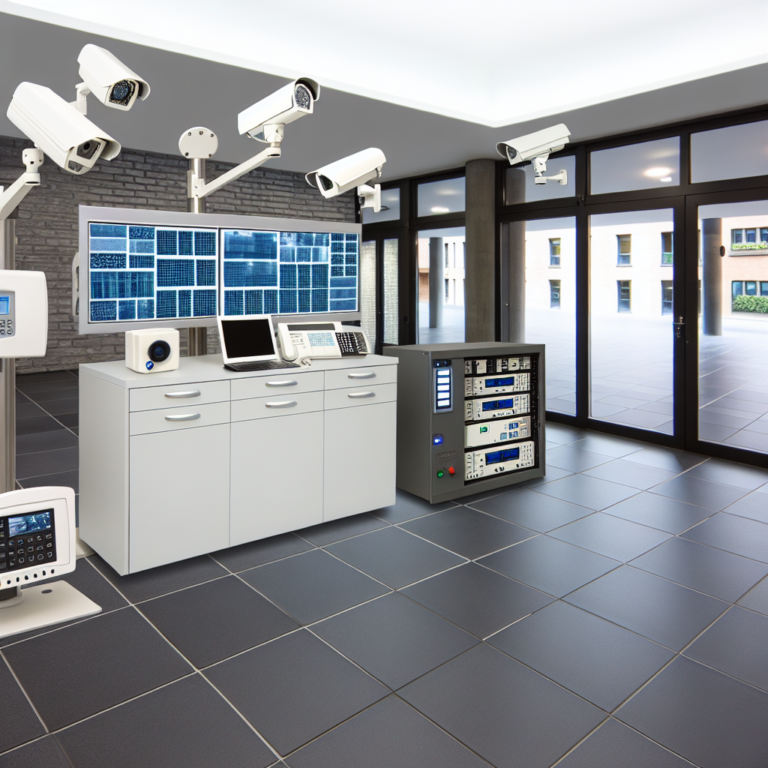
- Erhöhte Sicherheit: Bewegungsmelder, smarte Türschlösser und Überwachungskameras lassen sich zentral steuern und benachrichtigen Sie bei ungewöhnlichen Aktivitäten.
- Energieeffizienz: Intelligente Thermostate und Lichtsysteme helfen, den Energieverbrauch zu senken – laut einer Studie des Fraunhofer-Instituts um bis zu 30 %.
- Komfort: Automatisierte Abläufe wie das Einschalten der Heizung vor dem Nachhausekommen oder das Öffnen der Rollläden bei Sonnenaufgang steigern die Lebensqualität.
Beispiele aus der Praxis
Ein typisches Beispiel für gelungene hausautomatisierung ist das Einfamilienhaus der Familie Meier in München. Durch die Integration eines Smart-Home-Systems konnten sie ihre Heizkosten um 25 % senken. Gleichzeitig sorgt ein vernetztes Alarmsystem für ein sicheres Gefühl – auch im Urlaub.
Ein weiteres Beispiel ist die Nutzung von Sprachassistenten wie Amazon Alexa oder Google Assistant. Diese ermöglichen die Steuerung von Licht, Musik oder Haushaltsgeräten per Sprachbefehl – besonders praktisch für Menschen mit eingeschränkter Mobilität.
So gelingt der Einstieg in die Hausautomatisierung
Der Einstieg in die hausautomatisierung muss nicht kompliziert sein. Viele Systeme sind modular aufgebaut und lassen sich schrittweise erweitern. Empfehlenswert ist es, mit einem Starterpaket zu beginnen, das zentrale Funktionen wie Licht- und Heizungssteuerung abdeckt.
- Wählen Sie ein System mit offener Schnittstelle für maximale Kompatibilität.
- Setzen Sie auf bekannte Hersteller mit gutem Support.
- Planen Sie die Automatisierung schrittweise – beginnen Sie mit den Bereichen, die Ihnen am wichtigsten sind.
Hausautomatisierung als Schlüssel zu einem sicheren und intelligenten Zuhause
Die hausautomatisierung ist längst kein Zukunftsthema mehr, sondern ein praktischer Weg, das eigene Zuhause sicherer, effizienter und komfortabler zu gestalten. Ob durch smarte Sicherheitslösungen, automatisierte Heizsysteme oder vernetzte Haushaltsgeräte – die Möglichkeiten sind vielfältig. Wer heute in intelligente Technik investiert, profitiert langfristig von mehr Lebensqualität und geringeren Betriebskosten.
Wie viel kostet ein Hausautomationssystem?
Je nach Umfang: 2.000 € bis 20.000 €. Einfache Systeme (Licht, Heizung) ab ca. 2.000–5.000 €, komplexe Lösungen (inkl. Sicherheit, Rollläden, Energiemanagement) deutlich mehr.
Was ist Hausautomation und wie funktioniert sie?
Hausautomation steuert automatisch Haustechnik wie Licht, Heizung, Alarmanlagen etc.
Funktion: Sensoren erfassen Daten → Steuerzentrale wertet aus → Aktoren führen Befehle aus (z. B. Licht an bei Bewegung). Bedienung per App, Zeitplan oder Szenarien.