

Anlagenautomatisierung: Steigerung der Effizienz in der Industrie
"Steigern Sie die Effizienz in der Industrie durch Anlagenautomatisierung. Entdecken Sie innovative Lösungen für optimierte Produktionsprozesse."
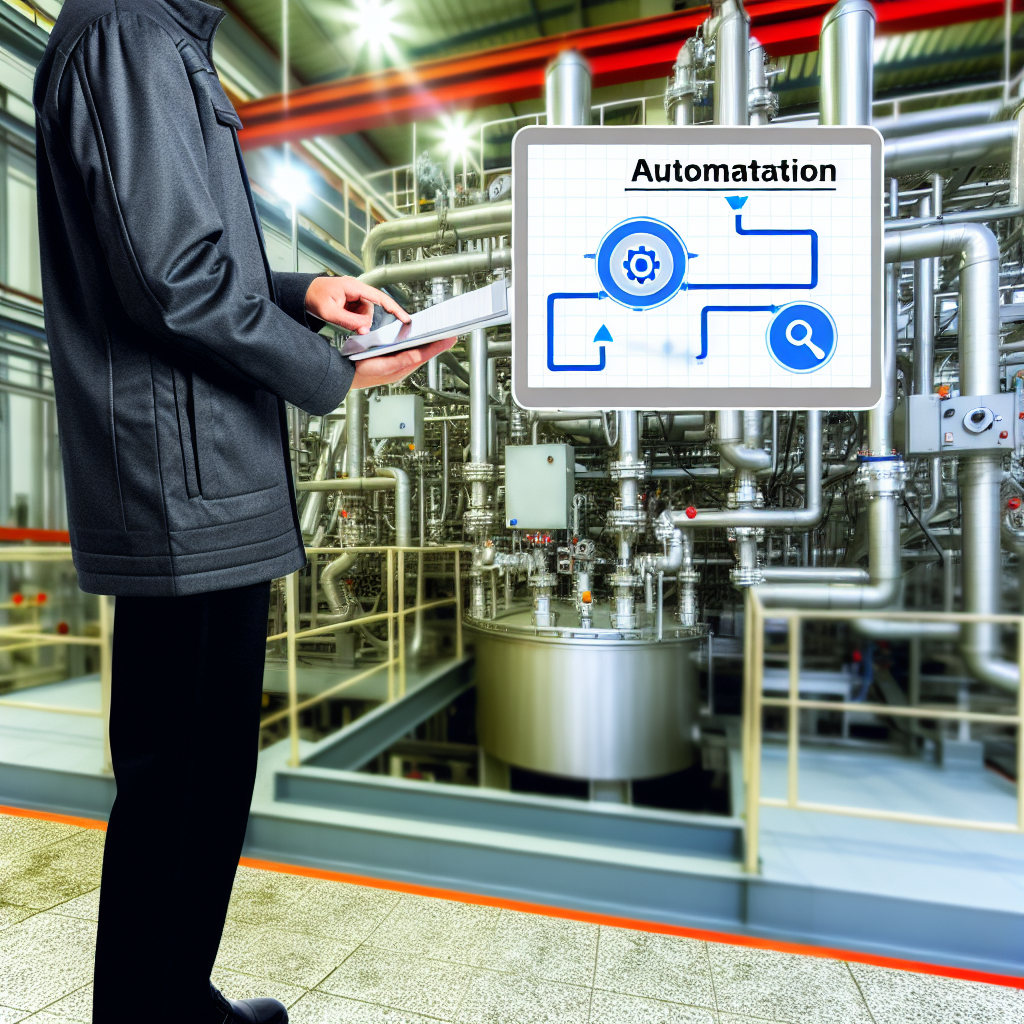
Einführung in die Anlagenautomatisierung
Die anlagenautomatisierung ist ein entscheidender Faktor für die Steigerung der Effizienz in der Industrie. Sie bezieht sich auf den Einsatz von Steuerungssystemen und Informationstechnologien zur Reduzierung der Notwendigkeit menschlicher Eingriffe in den Produktionsprozess. Mit der anlagenautomatisierung können Unternehmen ihre Produktivität steigern, Kosten senken und die Qualität ihrer Produkte verbessern.
Hinweis zu AI-generierten Inhalten: Die Inhalte dieses Blogs werden mithilfe fortschrittlicher künstlicher Intelligenz erstellt. Obwohl wir uns bemühen, Ihnen stets präzise und nützliche Informationen zu bieten, kann es vorkommen, dass Fragen oder Unklarheiten bestehen bleiben. In solchen Fällen stehen Ihnen unsere Experten gerne zur Verfügung. Zögern Sie nicht, uns über die unten aufgeführten Kontaktmöglichkeiten zu erreichen. Unsere Spezialisten sind wahre Kenner ihres Fachs und helfen Ihnen gerne weiter!

Kontaktmöglichkeiten:

Feedback-Formular: Formular Ausfüllen
E-Mail: vertrieb@graef-gruppe.de
Telefon: +493069202294
Wir freuen uns auf Ihre Rückfragen und darauf, Ihnen bei jedem Anliegen behilflich zu sein!
Wie Anlagenautomatisierung die Effizienz steigert
Die anlagenautomatisierung bietet eine Vielzahl von Vorteilen, die zur Steigerung der Effizienz in der Industrie beitragen. Einige dieser Vorteile sind:
- Erhöhte Produktivität: Automatisierte Anlagen können rund um die Uhr ohne Pausen oder Ausfallzeiten betrieben werden. Dies führt zu einer erheblichen Steigerung der Produktionskapazität.
- Kosteneinsparungen: Durch die Reduzierung der Notwendigkeit menschlicher Eingriffe können Unternehmen ihre Arbeitskosten senken. Darüber hinaus können automatisierte Anlagen präziser arbeiten, was zu weniger Ausschuss und somit zu Kosteneinsparungen führt.
- Verbesserte Qualität: Automatisierte Anlagen können konstante und hochwertige Ergebnisse liefern, da sie weniger anfällig für menschliche Fehler sind.
Beispiele für Anlagenautomatisierung in der Industrie
Die anlagenautomatisierung findet in einer Vielzahl von Industrien Anwendung. Ein gutes Beispiel ist die Automobilindustrie, in der Roboter für Aufgaben wie Schweißen, Lackieren und Montage eingesetzt werden. Ein weiteres Beispiel ist die Lebensmittel- und Getränkeindustrie, in der automatisierte Anlagen für Prozesse wie Verpackung, Etikettierung und Qualitätskontrolle verwendet werden.
Die anlagenautomatisierung ist ein wachsender Trend in der Industrie. Laut einer Studie von MarketsandMarkets wird erwartet, dass der globale Markt für Industrieautomatisierung von 202.0 Milliarden US-Dollar im Jahr 2020 auf 305.3 Milliarden US-Dollar im Jahr 2026 wachsen wird, mit einer jährlichen Wachstumsrate von 7.0% während des Prognosezeitraums.
Herausforderungen bei der Implementierung der Anlagenautomatisierung
Trotz der vielen Vorteile kann die Implementierung der anlagenautomatisierung auch Herausforderungen mit sich bringen. Dazu gehören hohe Anfangsinvestitionen, die Notwendigkeit einer gründlichen Planung und Schulung der Mitarbeiter sowie die Notwendigkeit, bestehende Prozesse und Systeme zu überarbeiten. Unternehmen müssen diese Herausforderungen sorgfältig abwägen und Strategien entwickeln, um sie zu überwinden.
Anlagenautomatisierung: Ein Schlüssel zur Steigerung der Effizienz in der Industrie
Zusammenfassend lässt sich sagen, dass die anlagenautomatisierung ein leistungsfähiges Werkzeug zur Steigerung der Effizienz in der Industrie ist. Durch die Automatisierung von Prozessen können Unternehmen ihre Produktivität steigern, Kosten senken und die Qualität ihrer Produkte verbessern. Trotz der Herausforderungen, die mit der Implementierung verbunden sind, ist die anlagenautomatisierung ein entscheidender Faktor für den Erfolg in der modernen Industrielandschaft.