
Glasfaser-Hausanschluss für Mehrfamilienhäuser: Was Eigentümer und Mieter wissen sollten
Erfahren Sie alles Wichtige über Glasfaser-Hausanschluss für Mehrfamilienhäuser: Rechte und Pflichten von Eigentümern und Mietern.
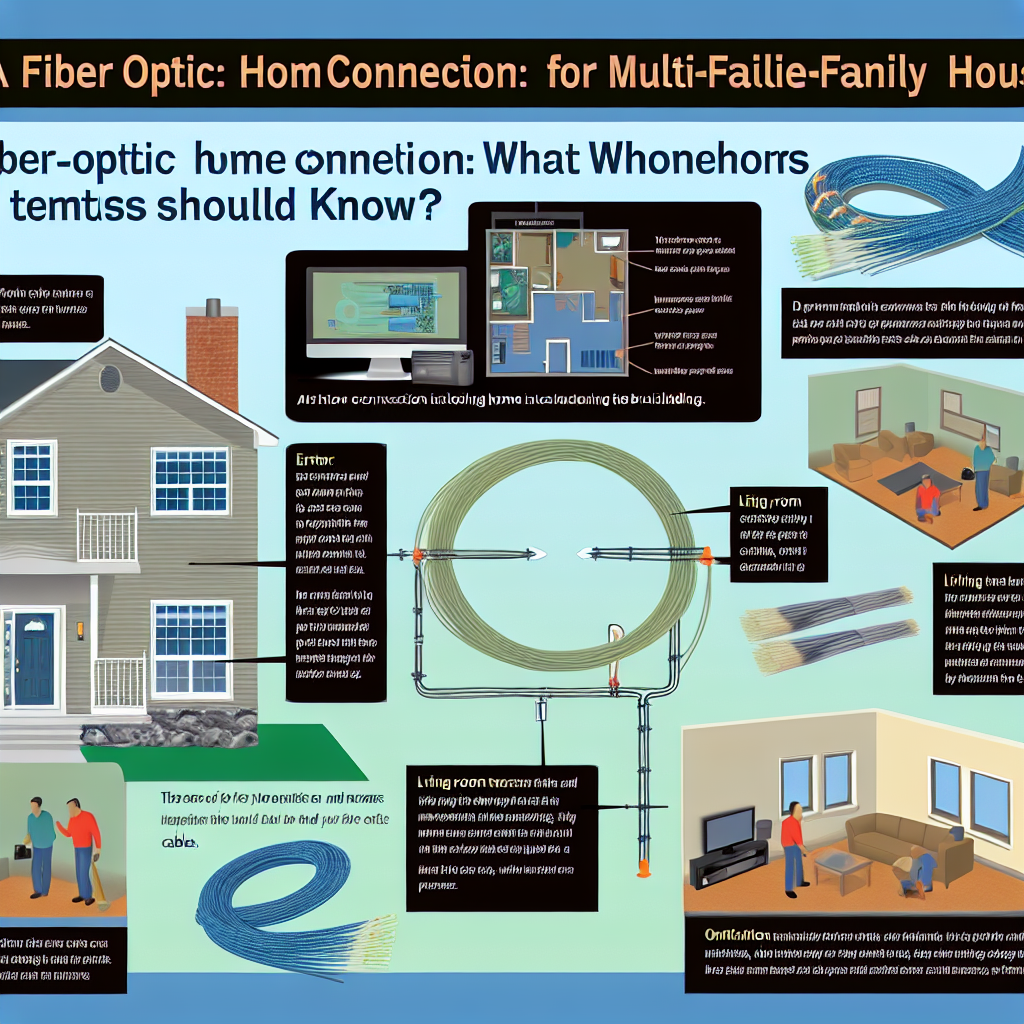
Die Digitalisierung schreitet voran und mit ihr die Notwendigkeit, über einen schnellen und zuverlässigen Internetzugang zu verfügen. Ein Glasfaser-Hausanschluss bietet hierfür die optimale Lösung. Doch was bedeutet das für Eigentümer und Mieter eines Mehrfamilienhauses? In diesem Artikel erfahren Sie alles Wichtige zum Thema „Glasfaser-Hausanschluss für Mehrfamilienhäuser“.
Hinweis zu AI-generierten Inhalten: Die Inhalte dieses Blogs werden mithilfe fortschrittlicher künstlicher Intelligenz erstellt. Obwohl wir uns bemühen, Ihnen stets präzise und nützliche Informationen zu bieten, kann es vorkommen, dass Fragen oder Unklarheiten bestehen bleiben. In solchen Fällen stehen Ihnen unsere Experten gerne zur Verfügung. Zögern Sie nicht, uns über die unten aufgeführten Kontaktmöglichkeiten zu erreichen. Unsere Spezialisten sind wahre Kenner ihres Fachs und helfen Ihnen gerne weiter!

Kontaktmöglichkeiten:

Feedback-Formular: Formular Ausfüllen
E-Mail: vertrieb@graef-gruppe.de
Telefon: +493069202294
Wir freuen uns auf Ihre Rückfragen und darauf, Ihnen bei jedem Anliegen behilflich zu sein!
Was ist ein Glasfaser-Hausanschluss?
Ein Glasfaser-Hausanschluss, auch Glasfaseranschluss genannt, ist eine Verbindung, die das Internet mit Lichtgeschwindigkeit in Ihr Zuhause bringt. Im Gegensatz zu herkömmlichen Kupferkabeln, die für den Internetzugang genutzt werden, ermöglicht die Glasfasertechnologie eine deutlich höhere Datenübertragungsrate. Dies ist besonders für Mehrfamilienhäuser von Vorteil, in denen viele Personen gleichzeitig auf das Internet zugreifen.
Vorteile eines Glasfaser-Hausanschlusses
Ein Glasfaser-Hausanschluss bietet zahlreiche Vorteile:
- Hohe Geschwindigkeit: Mit einem Glasfaseranschluss können Daten mit bis zu 1 Gbit/s übertragen werden. Das ist etwa 20-mal schneller als bei einem herkömmlichen DSL-Anschluss.
- Zuverlässigkeit: Glasfaserkabel sind weniger anfällig für Störungen und bieten eine konstant hohe Internetgeschwindigkeit, unabhängig von der Entfernung zum nächsten Verteilerkasten.
- Zukunftssicherheit: Die Glasfasertechnologie ist zukunftssicher und kann problemlos an steigende Anforderungen angepasst werden.
Was müssen Eigentümer und Mieter beachten?
Bevor ein Glasfaser-Hausanschluss in einem Mehrfamilienhaus installiert werden kann, müssen einige Punkte geklärt werden. Zunächst muss der Eigentümer des Hauses der Installation zustimmen. In der Regel übernimmt der Internetanbieter die Kosten für die Installation des Glasfaseranschlusses. Allerdings können zusätzliche Kosten für die Verlegung der Kabel im Haus anfallen, die vom Eigentümer getragen werden müssen.
Die Mieter müssen ebenfalls informiert und um Zustimmung gebeten werden. In der Regel profitieren sie von einem Glasfaser-Hausanschluss durch eine höhere Internetgeschwindigkeit und eine stabilere Verbindung. Allerdings kann es während der Installationsphase zu Beeinträchtigungen kommen.
Glasfaser-Hausanschluss in einem Mehrfamilienhaus
Ein gutes Beispiel für die erfolgreiche Umsetzung eines Glasfaser-Hausanschlusses in einem Mehrfamilienhaus ist die Stadtwerke Münster. Sie haben in den letzten Jahren über 30.000 Glasfaser-Hausanschlüsse in Mehrfamilienhäusern realisiert. Die Bewohner profitieren nun von einer schnellen und stabilen Internetverbindung. Die Kosten für die Installation wurden vom Internetanbieter übernommen, die zusätzlichen Kosten für die Verlegung der Kabel im Haus wurden auf die Miete umgelegt.
Ein Glasfaser-Hausanschluss bietet viele Vorteile, insbesondere für Bewohner von Mehrfamilienhäusern. Die hohe Geschwindigkeit und Zuverlässigkeit der Internetverbindung sind unschlagbare Argumente für die Installation eines Glasfaseranschlusses. Allerdings müssen sowohl Eigentümer als auch Mieter über die anfallenden Kosten und möglichen Beeinträchtigungen während der Installationsphase informiert werden.
Glasfaser-Hausanschluss Mehrfamilienhaus: Was Sie als Eigentümer und Mieter wissen sollten
Als Eigentümer sollten Sie die Vorteile eines Glasfaser-Hausanschlusses für Ihr Mehrfamilienhaus in Betracht ziehen. Informieren Sie sich über die Kosten und den Installationsprozess und holen Sie das Einverständnis Ihrer Mieter ein. Als Mieter sollten Sie die Vorteile einer schnellen und stabilen Internetverbindung nutzen und sich über mögliche Kosten informieren. Ein Glasfaser-Hausanschluss ist eine Investition in die Zukunft und bietet sowohl für Eigentümer als auch für Mieter zahlreiche Vorteile.
Wer trägt die Kosten für die Installation eines Glasfaseranschlusses?
In der Regel übernimmt der Internetanbieter die Kosten für die Installation des Glasfaseranschlusses. Allerdings können zusätzliche Kosten für die Verlegung der Kabel im Haus anfallen, die vom Eigentümer getragen werden müssen.
Müssen alle Mieter dem Glasfaseranschluss zustimmen?
Nein, nicht alle Mieter müssen zustimmen. Allerdings sollten sie über die Installation informiert werden, da während der Installationsphase Beeinträchtigungen auftreten können.
Wie läuft die Installation eines Glasfaseranschlusses in einem Mehrfamilienhaus ab?
Nach Zustimmung des Eigentümers wird der Glasfaseranschluss bis zum Haus verlegt. Die Verteilung der Glasfaserleitungen zu den einzelnen Wohnungen erfolgt über vorhandene Leitungswege oder neue Installationen.
Kann ein Mieter eigenständig einen Glasfaseranschluss beantragen?
Ja, Mieter können einen Glasfaseranschluss beantragen. Allerdings ist die Zustimmung des Eigentümers erforderlich, insbesondere für bauliche Veränderungen am Gebäude.