
Einführung in das Informationssicherheits-Managementsystem (ISMS): Schutz sensibler Daten
"Einführung in das Informationssicherheits-Managementsystem (ISMS): Erfahren Sie, wie Sie sensible Daten schützen und sicher verwalten können."
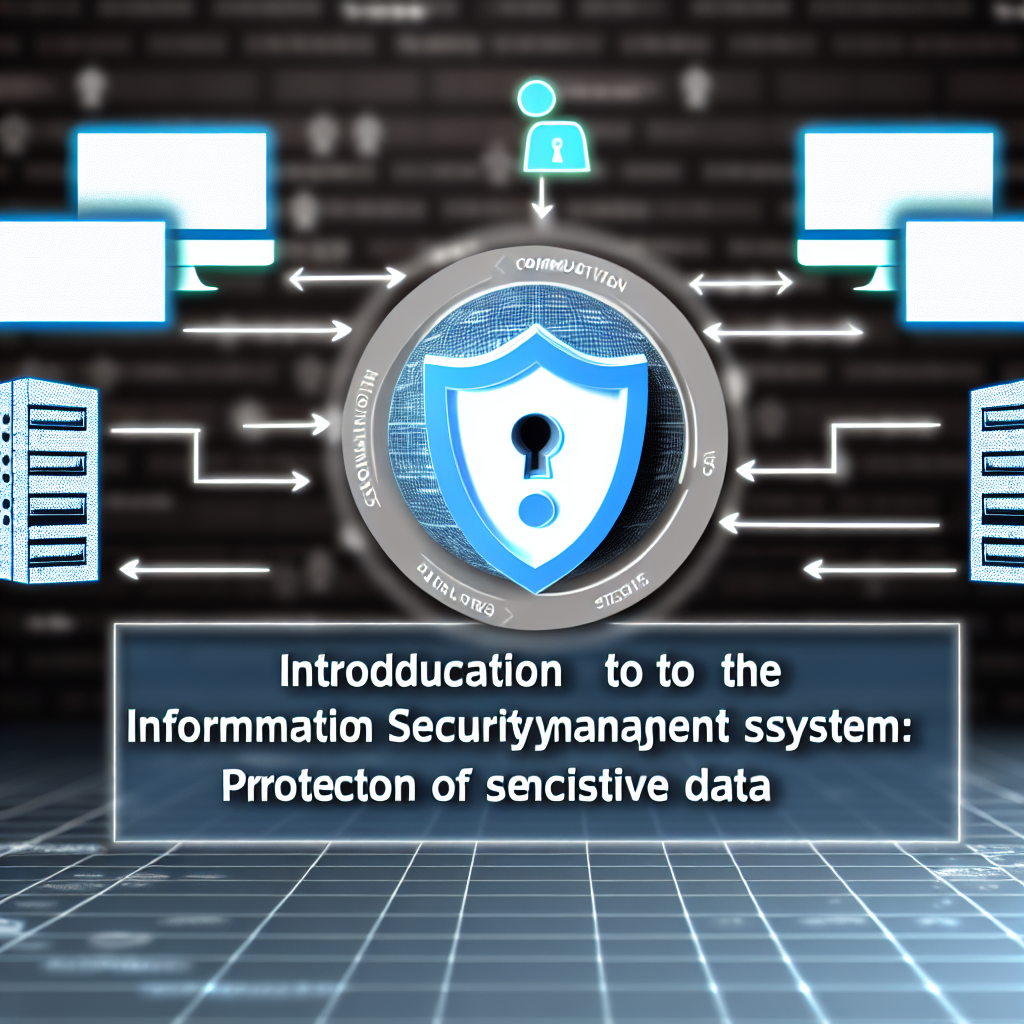
Die digitale Welt ist voller Möglichkeiten, aber auch voller Risiken. Cyberkriminalität, Datenverlust und Datenschutzverletzungen sind nur einige der Herausforderungen, denen Unternehmen heute gegenüberstehen. Ein effektives Informationssicherheits-Managementsystem (ISMS) kann dabei helfen, diese Risiken zu minimieren und sensible Daten zu schützen. In diesem Artikel werden wir uns mit den Grundlagen eines solchen Systems befassen.
Hinweis zu AI-generierten Inhalten: Die Inhalte dieses Blogs werden mithilfe fortschrittlicher künstlicher Intelligenz erstellt. Obwohl wir uns bemühen, Ihnen stets präzise und nützliche Informationen zu bieten, kann es vorkommen, dass Fragen oder Unklarheiten bestehen bleiben. In solchen Fällen stehen Ihnen unsere Experten gerne zur Verfügung. Zögern Sie nicht, uns über die unten aufgeführten Kontaktmöglichkeiten zu erreichen. Unsere Spezialisten sind wahre Kenner ihres Fachs und helfen Ihnen gerne weiter!

Kontaktmöglichkeiten:

Feedback-Formular: Formular Ausfüllen
E-Mail: vertrieb@graef-gruppe.de
Telefon: +493069202294
Wir freuen uns auf Ihre Rückfragen und darauf, Ihnen bei jedem Anliegen behilflich zu sein!
Was ist ein Informationssicherheits-Managementsystem (ISMS)?
Ein Informationssicherheits-Managementsystem ist ein Rahmenwerk von Richtlinien und Verfahren, das dazu dient, die Informationssicherheit in einer Organisation zu verwalten. Es umfasst alle gesetzlichen, physischen und technischen Kontrollen, die in der Informationsrisikomanagement-Prozesse einer Organisation implementiert sind.
Warum ist ein ISMS wichtig?
Ein ISMS ist aus mehreren Gründen wichtig. Erstens hilft es, die Vertraulichkeit, Integrität und Verfügbarkeit von Informationen zu gewährleisten. Zweitens kann es dazu beitragen, rechtliche Sanktionen zu vermeiden, die sich aus Datenschutzverletzungen ergeben können. Drittens kann es das Vertrauen von Kunden und Partnern stärken, indem es zeigt, dass das Unternehmen ihre Daten ernst nimmt und schützt.
Wie funktioniert ein ISMS?
Ein ISMS funktioniert durch die Implementierung einer Reihe von Prozessen und Kontrollen, die dazu dienen, die Informationssicherheit zu gewährleisten. Dazu gehören unter anderem:
- Risikobewertung: Identifizierung und Bewertung von Risiken, die die Informationssicherheit beeinträchtigen könnten.
- Risikomanagement: Implementierung von Kontrollen zur Minimierung oder Beseitigung von Risiken.
- Überwachung und Verbesserung: Regelmäßige Überprüfung und Aktualisierung des ISMS, um sicherzustellen, dass es effektiv bleibt.
Ein gutes Beispiel für ein ISMS ist die ISO 27001, eine internationale Norm für Informationssicherheits-Managementsysteme. Sie legt die Anforderungen für die Einrichtung, Implementierung, Aufrechterhaltung und kontinuierliche Verbesserung eines ISMS innerhalb einer Organisation fest. Unternehmen, die nach ISO 27001 zertifiziert sind, haben gezeigt, dass sie ein hohes Maß an Informationssicherheit aufrechterhalten können.
Statistiken zur Informationssicherheit
Die Bedeutung eines effektiven ISMS wird durch Statistiken zur Informationssicherheit unterstrichen. Laut dem 2020 Cost of a Data Breach Report von IBM betrug die durchschnittliche Gesamtkosten eines Datenverstoßes 3,86 Millionen US-Dollar. Darüber hinaus ergab eine Umfrage von PwC, dass 69% der globalen CEOs glauben, dass Cyber-Bedrohungen ihre Wachstumsaussichten beeinträchtigen könnten.
Einführung in das Informationssicherheits-Managementsystem: Schutz sensibler Daten
Die Einführung eines ISMS kann eine Herausforderung sein, insbesondere für Unternehmen, die noch keine Erfahrung mit Informationssicherheit haben. Es erfordert eine sorgfältige Planung, die Einbeziehung aller Ebenen der Organisation und eine kontinuierliche Überwachung und Verbesserung.
Ein guter erster Schritt ist die Durchführung einer Risikobewertung, um potenzielle Bedrohungen für die Informationssicherheit zu identifizieren. Danach können geeignete Kontrollen implementiert werden, um diese Risiken zu minimieren. Schließlich sollte das ISMS regelmäßig überprüft und aktualisiert werden, um sicherzustellen, dass es weiterhin effektiv ist.
Die Einführung eines ISMS ist kein einmaliges Projekt, sondern ein kontinuierlicher Prozess. Es erfordert Engagement und Engagement von allen in der Organisation, von der Geschäftsleitung bis hin zu den Mitarbeitern. Aber die Vorteile – verbesserte Informationssicherheit, erhöhtes Kundenvertrauen und Compliance mit gesetzlichen Anforderungen – machen die Anstrengung mehr als wert.