
Schutzziele der Informationssicherheit: Vertraulichkeit, Integrität und Verfügbarkeit im Fokus
Erfahren Sie mehr über die Schutzziele der Informationssicherheit: Vertraulichkeit, Integrität und Verfügbarkeit. Sicherheit im digitalen Zeitalter.
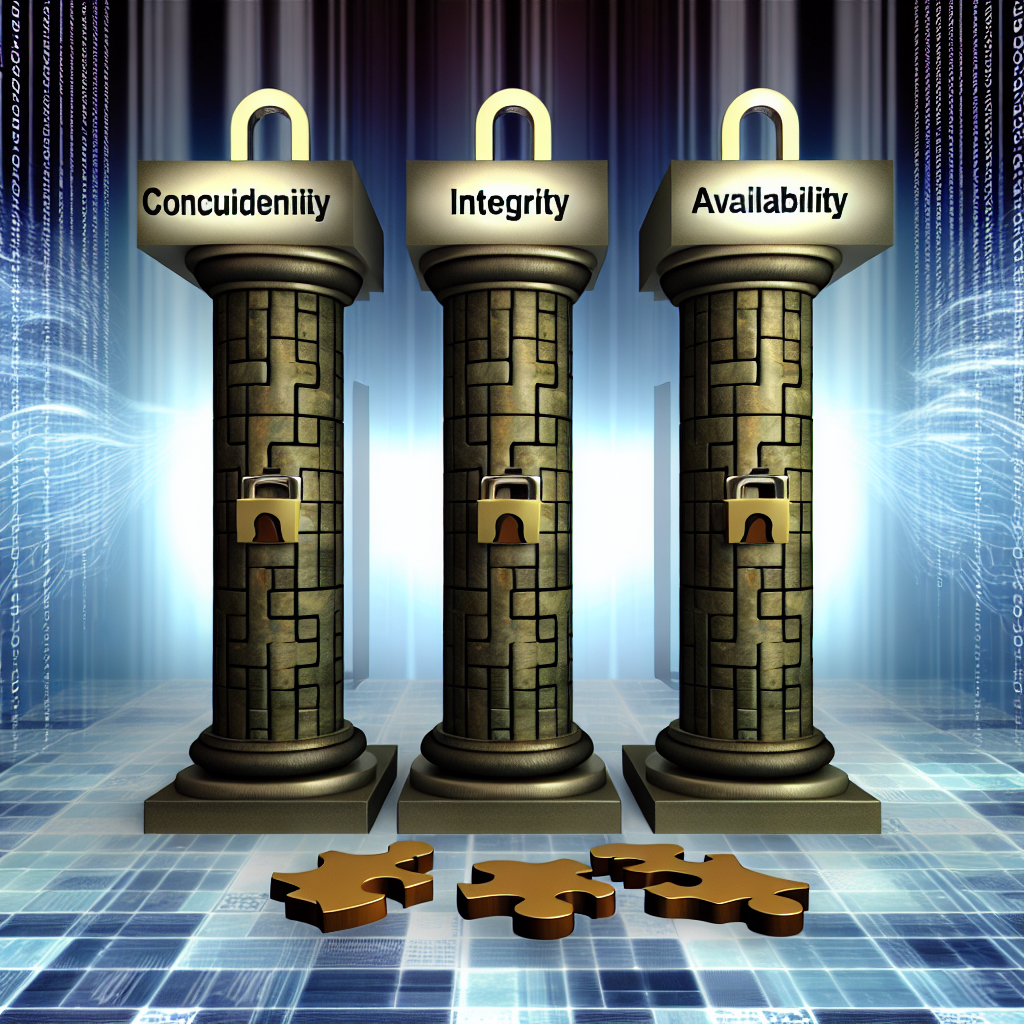
Die Informationssicherheit ist ein zentraler Aspekt in der heutigen digitalen Welt. Sie stellt sicher, dass Informationen vor unerwünschten Zugriffen geschützt sind und ihre Integrität und Verfügbarkeit gewährleistet sind. Die schutzziele der informationssicherheit sind dabei die Vertraulichkeit, Integrität und Verfügbarkeit von Informationen. In diesem Artikel werden wir diese Schutzziele genauer unter die Lupe nehmen.
Vertraulichkeit als Schutzziel der Informationssicherheit
Die Vertraulichkeit ist ein zentrales Schutzziel der Informationssicherheit. Sie stellt sicher, dass Informationen nur von autorisierten Personen eingesehen werden können. Dies wird durch verschiedene Maßnahmen erreicht, wie zum Beispiel durch Verschlüsselung, Zugriffskontrollen oder Authentifizierungsverfahren. Ein Beispiel für den Verlust der Vertraulichkeit wäre ein Hackerangriff, bei dem sensible Daten gestohlen werden.
Integrität in der Informationssicherheit
Ein weiteres Schutzziel der Informationssicherheit ist die Integrität von Informationen. Sie stellt sicher, dass Informationen nicht unbemerkt verändert oder manipuliert werden können. Dies wird durch Maßnahmen wie digitale Signaturen, Prüfsummen oder Versionierung erreicht. Ein Beispiel für den Verlust der Integrität wäre ein Virus, der Daten auf einem Computer verändert.
Verfügbarkeit von Informationen
Das dritte Schutzziel der Informationssicherheit ist die Verfügbarkeit von Informationen. Sie stellt sicher, dass Informationen und Systeme jederzeit für autorisierte Personen zugänglich sind. Dies wird durch Maßnahmen wie Redundanz, Backup-Strategien oder Notfallpläne erreicht. Ein Beispiel für den Verlust der Verfügbarkeit wäre ein Serverausfall, der den Zugriff auf wichtige Daten verhindert.
Die Bedeutung der Schutzziele der Informationssicherheit
Die schutzziele der informationssicherheit sind von zentraler Bedeutung für Unternehmen und Organisationen. Sie stellen sicher, dass sensible Daten vor unerwünschten Zugriffen geschützt sind und ihre Integrität und Verfügbarkeit gewährleistet sind. Ein Verstoß gegen diese Schutzziele kann schwerwiegende Folgen haben, wie zum Beispiel finanzielle Verluste, Reputationsschäden oder rechtliche Konsequenzen.
- Vertraulichkeit: Schützt vor unerlaubtem Zugriff auf Informationen.
- Integrität: Schützt vor unerlaubter Veränderung von Informationen.
- Verfügbarkeit: Schützt vor unerlaubter Unterbrechung des Zugriffs auf Informationen.
Schutzziele der Informationssicherheit in der Praxis
In der Praxis werden die schutzziele der informationssicherheit durch eine Kombination von technischen, organisatorischen und rechtlichen Maßnahmen erreicht. Dazu gehören zum Beispiel Firewalls, Verschlüsselungstechnologien, Zugriffskontrollen, Sicherheitsrichtlinien und Datenschutzgesetze. Durch die Einhaltung dieser Maßnahmen können Unternehmen und Organisationen ihre Informationen effektiv schützen und ihre Geschäftsziele erreichen.
Schutzziele der Informationssicherheit: Vertraulichkeit, Integrität und Verfügbarkeit im Fokus
Zusammenfassend lässt sich sagen, dass die schutzziele der informationssicherheit – Vertraulichkeit, Integrität und Verfügbarkeit – von zentraler Bedeutung für die Sicherheit von Informationen sind. Sie stellen sicher, dass Informationen vor unerwünschten Zugriffen geschützt sind und ihre Integrität und Verfügbarkeit gewährleistet sind. Durch die Einhaltung dieser Schutzziele können Unternehmen und Organisationen ihre Informationen effektiv schützen und ihre Geschäftsziele erreichen.