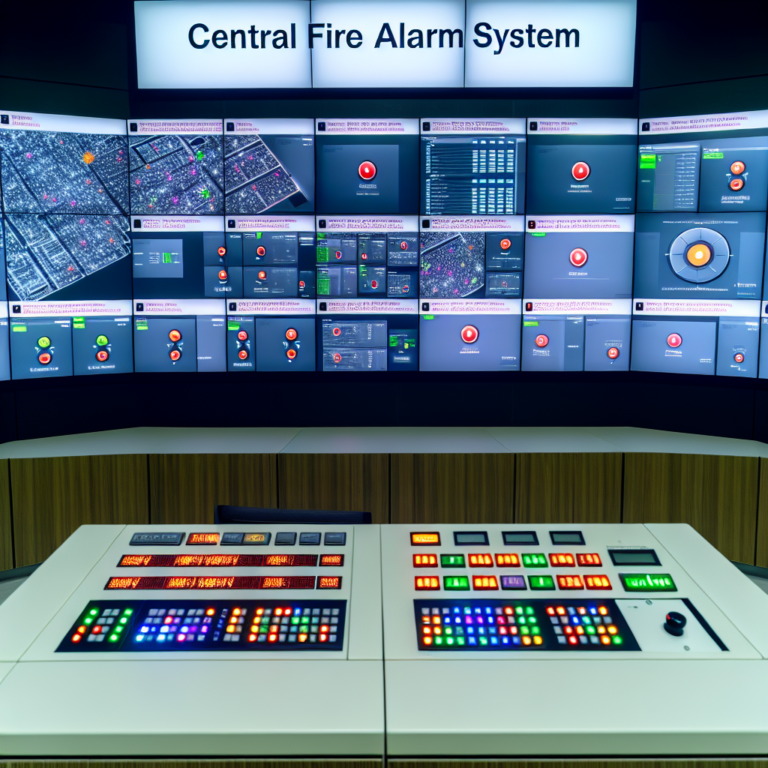

DIN fire alarm: Which standards apply to modern fire protection systems?
Find out which DIN standards apply to modern fire alarm systems and how they improve fire protection.
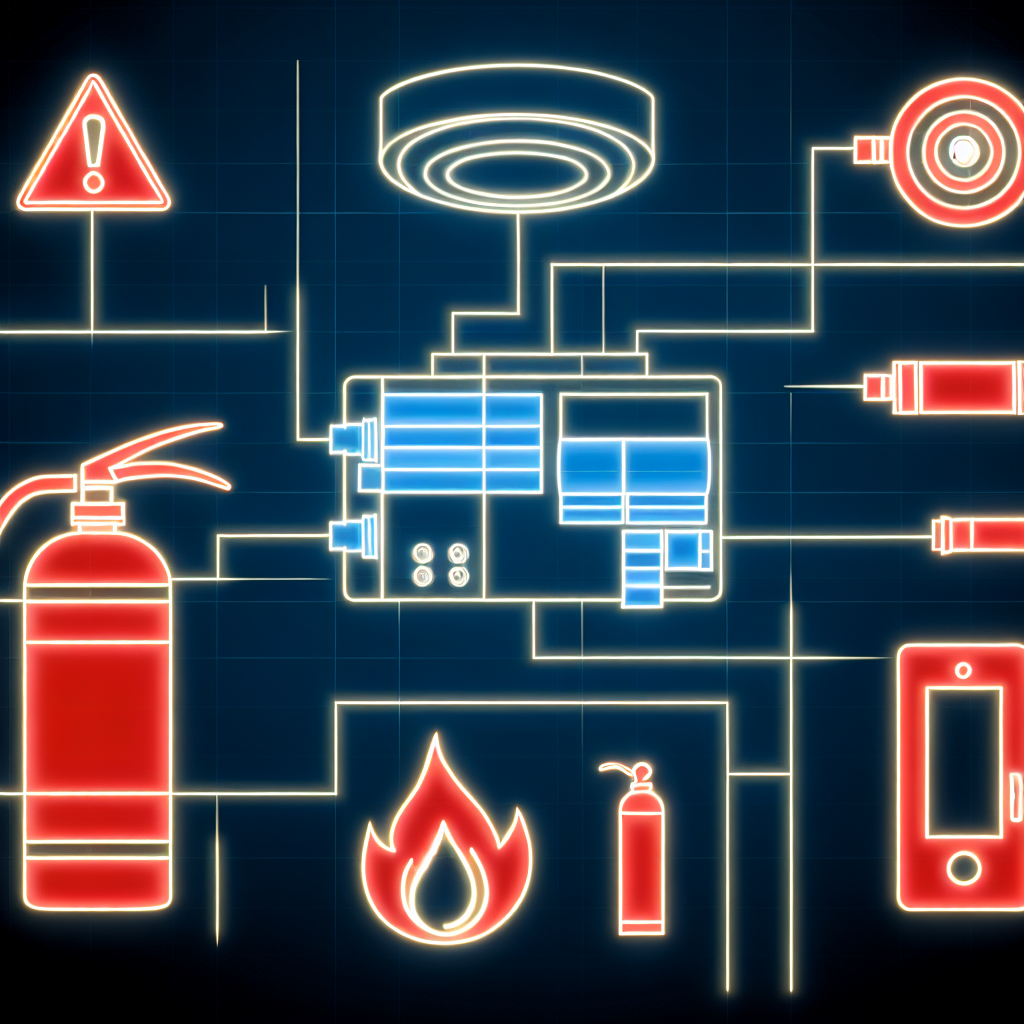
Introduction to the DIN fire alarm and fire protection standards
In Germany, the requirements for fire protection systems are strictly regulated to ensure safety in buildings. The DIN fire alarm plays a central role in this. These standards define how fire alarm systems must be designed, installed and maintained in order to provide effective protection. This article presents the most important standards that apply to modern fire protection systems.
Note on AI-generated content: The content of this blog is created with the help of advanced artificial intelligence. Although we strive to always provide you with accurate and useful information, questions or ambiguities may remain. In such cases, our experts will be happy to help you. Please do not hesitate to contact us using the details below. Our specialists are true experts in their field and will be happy to help you!

Contact options:

 Feedback form: Fill out the form
Email: vertrieb@graef-gruppe.de
Phone: +493069202294
We look forward to your queries and to helping you with any concerns you may have!
Overview of the relevant DIN standards
The DIN standards for fire alarm systems are comprehensive and cover various aspects of fire protection. The most important include:
- DIN EN 54 - This European series of standards specifies the requirements and test methods for components of fire alarm systems such as fire detectors, control and indicating devices.
- DIN 14675 - This describes the requirements for the planning, installation, operation and maintenance of fire alarm systems in Germany.
- DIN VDE 0833-2 - This standard regulates the planning, installation, modification, extension and operation of hazard detection systems for fire, burglary and hold-up.
Technological developments and DIN fire alarm
As technology advances, standards are also evolving to meet the latest safety requirements. Modern fire protection systems are increasingly using networked and automated technologies that enable a faster response to fire incidents. For example, integrated systems that combine smoke detection with building management systems and smart home systems enable more efficient evacuation and firefighting.
Exemplary application of DIN standards
A good example of the application of DIN standards is the fire protection concept at Berlin's BER airport. Here, extensive fire detection and alarm systems were installed in accordance with DIN EN 54 and DIN 14675 to ensure rapid detection and response in the event of a fire. These systems are essential to ensure the safety of passengers and staff.
Outlook and future developments in the field of DIN fire alarms
The continuous development of DIN standards is crucial in order to keep pace with technological advances and improve fire safety. Experts are constantly working on updating the standards to incorporate new findings and technologies. In the future, further improvements in the efficiency and effectiveness of fire protection systems can be expected, made possible by innovative solutions such as artificial intelligence and the Internet of Things (IoT).
Summary of standards for modern fire protection systems and DIN fire alarms
In summary, compliance with DIN standards for fire alarm systems is essential in order to meet legal requirements and ensure the best possible protection in buildings. Thanks to the constant further development of these standards, Germany remains at the forefront of fire protection technology.