
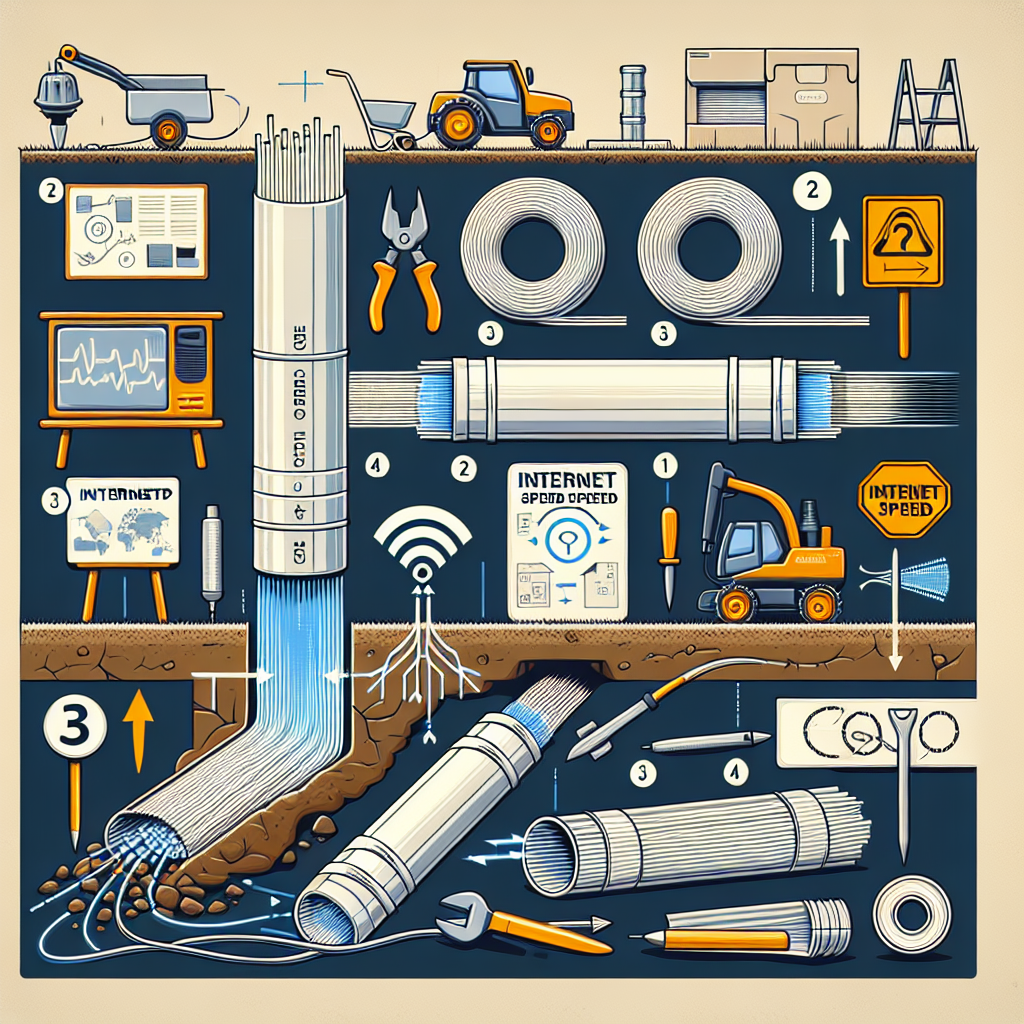
Ultimate Guide: Glasfaser-Leerrohr Installation für High-Speed Netz
Entdecken Sie die perfekte Mischung aus Qualität und Präzision mit unserer breiten Produktpalette. Besuchen Sie jetzt unseren Online-Shop im Graef Online Shop und bereichern Sie Ihren Alltag mit unseren außergewöhnlichen Angeboten. Lassen Sie sich das nicht entgehen – kaufen Sie noch heute ein!
Die Bedeutung von nachhaltiger Entwicklung

Nachhaltige Entwicklung ist ein Konzept, das in den letzten Jahrzehnten immer mehr an Bedeutung gewonnen hat. Es geht darum, die Bedürfnisse der Gegenwart zu erfüllen, ohne die Fähigkeit zukünftiger Generationen zu gefährden, ihre eigenen Bedürfnisse zu befriedigen. Dieses Prinzip ist entscheidend für die Erhaltung unserer natürlichen Ressourcen und für die Schaffung einer gerechteren Welt.
Grundprinzipien der Nachhaltigkeit
Die Nachhaltigkeit basiert auf drei Grundpfeilern: Ökologie, Ökonomie und Soziales. Diese drei Säulen müssen in Balance sein, um eine nachhaltige Entwicklung zu gewährleisten.
- Ökologische Nachhaltigkeit: Schutz der Umwelt und der natürlichen Ressourcen.
- Ökonomische Nachhaltigkeit: Wirtschaftswachstum unter Berücksichtigung der Umweltauswirkungen und Ressourcenschonung.
- Soziale Nachhaltigkeit: Förderung sozialer Gerechtigkeit und Gleichberechtigung.
Beispiele für nachhaltige Praktiken
Es gibt zahlreiche Beispiele für nachhaltige Praktiken, die sowohl von Einzelpersonen als auch von Unternehmen und Regierungen umgesetzt werden können.
- Verwendung erneuerbarer Energien wie Wind- und Solarenergie.
- Effiziente Nutzung von Wasser und Energie.
- Förderung des öffentlichen Verkehrs und der Elektromobilität.
- Implementierung von Recycling- und Abfallmanagementprogrammen.
- Unterstützung lokaler und biologischer Landwirtschaft.
Statistiken und Fallstudien
Statistiken zeigen, dass nachhaltige Praktiken einen positiven Einfluss auf die Umwelt und die Gesellschaft haben können. Beispielsweise hat Deutschland im Jahr 2020 etwa 46% seines Stroms aus erneuerbaren Quellen erzeugt, was zeigt, dass eine Umstellung auf saubere Energie möglich ist. Fallstudien wie die Stadt Freiburg, die als Öko-Stadt bekannt ist, demonstrieren, wie nachhaltige Stadtplanung und -management zu einer höheren Lebensqualität und geringeren Umweltauswirkungen führen können.
Herausforderungen und Zukunft der Nachhaltigkeit
Trotz der Fortschritte gibt es immer noch Herausforderungen bei der Umsetzung nachhaltiger Praktiken. Dazu gehören wirtschaftliche Interessenkonflikte, politische Hindernisse und ein Mangel an öffentlichem Bewusstsein. Um diese Herausforderungen zu überwinden, ist es wichtig, dass alle Akteure – von der internationalen Gemeinschaft bis hin zu einzelnen Bürgern – zusammenarbeiten.
Die Zukunft der Nachhaltigkeit sieht vielversprechend aus, da immer mehr Menschen und Organisationen die Dringlichkeit des Themas erkennen und aktiv werden. Innovationen in Technologie und Wissenschaft sowie eine stärkere Betonung der Bildung in Bezug auf Umweltfragen sind entscheidend für den Fortschritt in Richtung einer nachhaltigeren Welt.
Fazit
Nachhaltige Entwicklung ist kein Luxus, sondern eine Notwendigkeit für das Überleben unseres Planeten und das Wohlergehen zukünftiger Generationen. Durch die Umsetzung nachhaltiger Praktiken und die Überwindung der damit verbundenen Herausforderungen können wir eine Welt schaffen, die sowohl ökologisch intakt als auch sozial gerecht ist.