
Cybersicherheit Museen: Schützen Sie Kulturgüter digital

In einer zunehmend vernetzten Welt stehen Museen vor der Herausforderung, ihre wertvollen Kulturgüter gegen digitale Bedrohungen zu schützen. Im Zuge der Digitalisierung werden Kunstwerke und Kulturobjekte häufig digital erfasst und gespeichert. Diese Entwicklung bringt immense Vorteile mit sich, birgt jedoch auch erhebliche Risiken. Rechtzeitig erkannte Sicherheitslücken in der Cybersicherheit von Museen können gravierende Schäden abwenden, deren Folgen sowohl finanzieller als auch kultureller Natur sind. Daher ist es entscheidend, bewährte Sicherheitsmaßnahmen zu implementieren und kontinuierlich zu verbessern.
Hinweis zu AI-generierten Inhalten: Die Inhalte dieses Blogs werden mithilfe fortschrittlicher künstlicher Intelligenz erstellt. Obwohl wir uns bemühen, Ihnen stets präzise und nützliche Informationen zu bieten, kann es vorkommen, dass Fragen oder Unklarheiten bestehen bleiben. In solchen Fällen stehen Ihnen unsere Experten gerne zur Verfügung. Zögern Sie nicht, uns über die unten aufgeführten Kontaktmöglichkeiten zu erreichen. Unsere Spezialisten sind wahre Kenner ihres Fachs und helfen Ihnen gerne weiter!

Kontaktmöglichkeiten:

Feedback-Formular: Formular Ausfüllen
E-Mail: vertrieb@graef-gruppe.de
Telefon: +493069202294
Wir freuen uns auf Ihre Rückfragen und darauf, Ihnen bei jedem Anliegen behilflich zu sein!
Warum Cybersicherheit in Museen entscheidend ist
Digitale Erhaltung von Kulturgütern
Museen nutzen digitale Technologien, um ihre Sammlungen für die Nachwelt zu bewahren. Digitale Archive ermöglichen es, Kunstwerke und historische Artefakte zu dokumentieren und der Öffentlichkeit zugänglich zu machen. Doch diese digitalen Sammlungen sind anfällig für Cyberangriffe, die das Risiko von Datenverlust und Sachbeschädigung erhöhen. Ein geeigneter Schutz durch Cybersicherheit ist deshalb unverzichtbar.
Bedrohungen und Herausforderungen
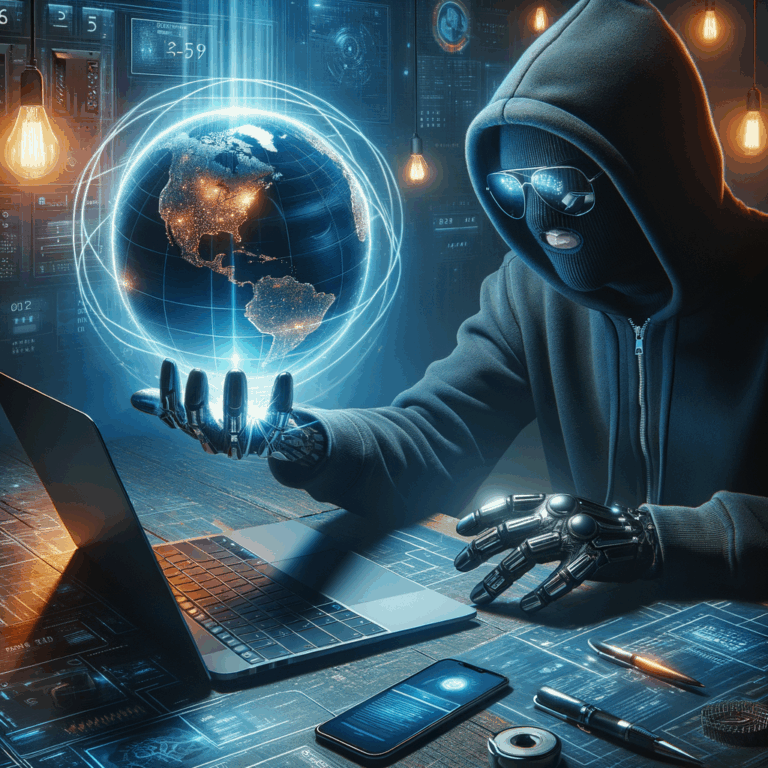
Die Cyberbedrohungen für Museen sind vielfältig. Zu den häufigsten gehören:
- Hackerangriffe, die sensible Daten stehlen oder manipulieren können.
- Ransomware, die Daten verschlüsselt und nur gegen Lösegeld wieder freigibt.
- Malware, die Systeme infiziert und ihre Funktionalität beeinträchtigt.
Diese Bedrohungen unterstreichen die Notwendigkeit eines umfassenden Cybersicherheitskonzepts, das sowohl präventive als auch reaktive Maßnahmen umfasst.
Strategien zur Cybersicherheit
Implementierung robuster Sicherheitsmaßnahmen
Um Kulturgüter digital sicher zu verwahren, müssen Museen umfassende Sicherheitsprotokolle entwickeln und befolgen. Dazu gehören:
- Regelmäßige Software-Updates und Patches, um bekannte Sicherheitslücken zu schließen.
- Der Einsatz moderner Firewall-Technologien, die unbefugten Zugriff verhindern.
- Verschlüsselungstechniken zum Schutz sensibler Daten.
- Die Schulung von Mitarbeitern zur Erkennung von Phishing-Attacken.
Zusammenarbeit und Wissensaustausch
Museen sollten außerdem den Austausch von Best Practices mit anderen Kultureinrichtungen fördern. Kooperationen mit Cybersicherheitsfirmen können ebenfalls von Vorteil sein, um individuelle Sicherheitslösungen zu entwickeln und die Museumsmitarbeiter gezielt zu schulen.
Erfolgsbeispiele aus der Praxis
Internationale Museen als Vorreiter
Es gibt bereits Museen, die in puncto Cybersicherheit wegweisend sind. So hat das British Museum ein umfassendes Cyber-Überwachungsprogramm implementiert, das Angriffsmuster in Echtzeit erkennt. Auch das Smithsonian Institute verfolgt einen ähnlichen Ansatz und hat seine Mitarbeiter speziell in IT-Sicherheit geschult.
Zusammenfassend lässt sich feststellen, dass die Cybersicherheit für Museen nicht nur eine technische Herausforderung, sondern eine kulturelle Notwendigkeit darstellt. Mit geeigneten Maßnahmen und einer klaren Strategie können Museen ihre wertvollen digitalen Sammlungen nachhaltig schützen und im digitalen Zeitalter bestehen. Der Schutz von Kunst- und Kulturgütern sollte somit auch in der digitalen Sphäre oberste Priorität haben.